How do gaming communities best manage & support user-created mods, ensuring stability & player safety?

User-created modifications (mods) are the lifeblood of many gaming communities, extending game longevity, adding new features, and fostering incredible creativity. From minor cosmetic changes to massive total conversions, mods can significantly enhance the player experience. However, this freedom comes with inherent challenges: how do communities effectively manage and support these user-generated contributions to ensure both game stability and player safety?
Establishing Clear Guidelines and Official Support
The foundation of effective mod management begins with clear, accessible guidelines. Game developers and community managers should provide comprehensive rules outlining what is acceptable and what is not, covering everything from content restrictions to technical specifications. Offering official developer tools, Software Development Kits (SDKs), and Application Programming Interfaces (APIs) empowers modders to create high-quality, compatible content, reducing potential stability issues.

Many successful communities also establish dedicated portals or forums for modders, acting as central hubs for documentation, tutorials, and peer support. This formal acknowledgment and resource provision can significantly streamline the modding process and elevate the overall quality of user-created content.
Robust Platforms and Community Curation
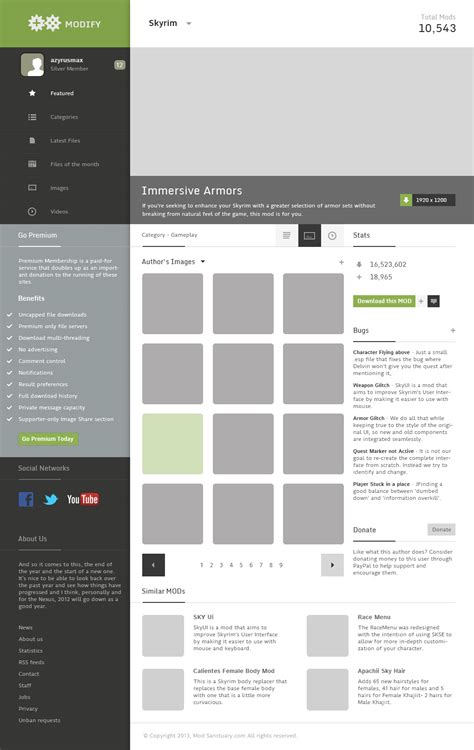
Centralized mod platforms, such as Steam Workshop, Nexus Mods, or dedicated in-game marketplaces, are instrumental in managing user-created content. These platforms offer essential features like version control, dependency tracking, user ratings, and reporting mechanisms. They act as a critical intermediary, providing a curated environment where players can discover, download, and manage mods with a greater degree of confidence.
Community curation plays an equally vital role. Empowering experienced modders and trusted community members to review submissions, report problematic content, and provide feedback helps maintain a healthy ecosystem. This decentralized approach leverages the collective expertise of the community, supplementing official moderation efforts.
Prioritizing Game Stability Through Vetting and Testing
Ensuring game stability is paramount. Unstable mods can lead to crashes, save corruption, and a degraded player experience. Communities must implement strategies for vetting mods, particularly those that gain significant traction or are officially endorsed. This can involve:
- **Automated Scans:** Checking for common conflicts or malicious code.
- **Community Testing Programs:** Allowing a dedicated group of players to test new mods in a controlled environment before wide release.
- **Dependency Management:** Clearly indicating required game versions or other mods to prevent compatibility issues.
- **Bug Reporting Systems:** Easy ways for users to report mod-specific bugs to both mod creators and community administrators.
Developers can also design games with modding in mind, creating modular architectures that isolate user content from core game files, thus minimizing the risk of game-breaking conflicts.
Safeguarding Player Safety and Security
Beyond stability, player safety and security are non-negotiable. Malicious mods can contain viruses, spyware, or phishing attempts, while inappropriate content can create a toxic environment. Effective safety measures include:
- **Automated Malware Scanning:** Integral to any mod hosting platform to detect and block harmful files.
- **Content Moderation:** Clear rules against illegal, offensive, or infringing content, enforced by human moderators and reporting tools.
- **Privacy Protections:** Guidelines for modders regarding user data and privacy, especially for mods that interact with online services.
- **Trust and Reputation Systems:** User ratings, endorsements, and developer reputations help players identify reliable and safe mods.
Educating players about the risks of downloading mods from unverified sources and encouraging responsible reporting are also key components of a secure modding environment.
Continuous Communication and Adaptability
The modding landscape is constantly evolving. Successful communities foster open channels of communication between developers, modders, and players. Regular updates on game patches, modding tools, and policy changes are essential. Furthermore, communities must remain adaptable, ready to adjust guidelines and moderation strategies in response to new challenges, emerging modding trends, and feedback from their passionate player base.
Ultimately, a thriving modding community is a shared responsibility. By establishing clear frameworks, leveraging robust platforms, prioritizing rigorous testing, and maintaining vigilance over safety, gaming communities can ensure that user-created mods remain a source of innovation and enjoyment, rather than frustration or risk.