My gaming PC has low FPS. How to diagnose & fix bottlenecks for optimal performance?

Experiencing low Frames Per Second (FPS) on your gaming PC can be incredibly frustrating, turning an immersive experience into a choppy, unresponsive nightmare. It’s a common issue that many PC gamers face, often due to one or more components in their system holding back the others – a phenomenon known as a ‘bottleneck’. Understanding what causes these slowdowns and how to effectively diagnose and fix them is key to unlocking your PC’s full potential.
Understanding FPS and Bottlenecks
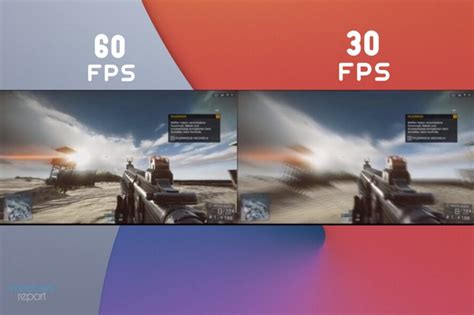
FPS refers to the number of frames your graphics card can render and your monitor can display each second. Higher FPS means smoother, more fluid gameplay. A bottleneck occurs when one component in your PC is slower or less capable than the others, thereby limiting the overall performance of the system. For instance, if you have a powerful graphics card but an outdated CPU, the CPU might struggle to feed data to the GPU fast enough, resulting in lower FPS than the GPU is capable of producing.
Identifying the specific bottleneck is the most crucial step. Without proper diagnosis, you might end up upgrading the wrong part, wasting money and still facing the same performance issues.
Common Culprits Behind Low FPS
Hardware Limitations
- Graphics Card (GPU): Often the primary driver of gaming performance. An underpowered or aging GPU will struggle with modern games at higher settings.
- Processor (CPU): While the GPU handles most of the rendering, the CPU is responsible for game logic, AI, physics, and preparing frames for the GPU. A weak CPU can bottleneck even a powerful GPU.
- Random Access Memory (RAM): Insufficient RAM (e.g., 8GB for modern AAA games) or slow RAM speeds can lead to stuttering and lower minimum FPS.
- Storage Drive (HDD/SSD): While less impactful on in-game FPS, a slow HDD can cause long loading times and micro-stutters as assets are streamed. An SSD is highly recommended for games.
Software & Settings Glitches
- Outdated Drivers: Especially GPU drivers, which are critical for performance and compatibility with new games.
- Incorrect Game Settings: Pushing graphical settings too high for your hardware.
- Operating System Issues: Bloatware, background processes, or power saving modes can all negatively impact performance.
- Overheating: Components (CPU/GPU) can throttle their performance to prevent damage when temperatures get too high.
- Malware/Viruses: Unwanted software consuming system resources.
Step-by-Step Diagnosis: Pinpointing the Bottleneck
Utilizing Monitoring Tools
The first step is to gather data. Tools like MSI Afterburner (with RivaTuner Statistics Server), HWiNFO64, or even Windows Task Manager can provide real-time metrics while you game. Install one of these and monitor the following during a gaming session where you experience low FPS:
- GPU Usage: Percentage of your graphics card being utilized.
- CPU Usage: Percentage of your processor being utilized (look at per-core usage if possible).
- RAM Usage: Amount of system memory being used.
- VRAM Usage: Amount of video memory on your GPU being used.
- Temperatures: CPU and GPU temperatures.
Analyzing Performance Metrics
- If GPU Usage is consistently at 95-100%: Your GPU is likely the bottleneck. It’s working as hard as it can, and either it’s not powerful enough for the settings or the game is incredibly demanding.
- If CPU Usage is consistently high (e.g., >80% on most cores) AND GPU Usage is low (e.g., <90%): Your CPU is likely the bottleneck. It can’t keep up with feeding instructions to the GPU.
- If RAM Usage is near 100% (or very close to your total RAM, e.g., 15GB on 16GB): You might be running out of RAM, leading to stuttering as the system relies on slower virtual memory.
- High Temperatures: If your CPU or GPU temperatures consistently hit 85-95°C or higher, thermal throttling is likely occurring, reducing performance.
Benchmarking for Deeper Insight
Running synthetic benchmarks like 3DMark, Unigine Heaven, or Unigine Superposition can provide standardized scores to compare your system against similar setups, helping confirm if your performance aligns with expectations or if there’s an underlying issue.
Resolving Hardware Bottlenecks
Once you’ve identified the primary bottleneck, you can take targeted action.
GPU: The Primary Powerhouse
If your GPU is maxing out, upgrading it is often the most impactful solution for higher FPS. Research current-generation GPUs that fit your budget and ensure compatibility with your motherboard and power supply unit (PSU).
CPU: The System’s Brain
If your CPU is the bottleneck, upgrading it will improve performance, especially in CPU-intensive games. Be mindful of motherboard compatibility (socket type) and consider if a new CPU might necessitate a new motherboard and RAM (e.g., moving from an older platform to a newer one).
RAM & Storage: Speed and Capacity
If RAM is the issue, consider upgrading to 16GB or even 32GB for very demanding titles, and ensure your RAM is running at its advertised speed (enable XMP/DOCP in BIOS). For storage, switch from an HDD to an SSD (NVMe is best) for your operating system and frequently played games to drastically reduce load times and minor stutters.
Optimizing Software and System Settings
Driver Updates are Crucial
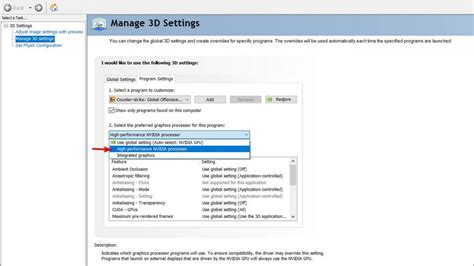
Always keep your graphics card drivers updated. Visit NVIDIA’s or AMD’s website directly, or use their respective software (GeForce Experience/Adrenalin Software) to download the latest stable drivers. Also, ensure your chipset drivers and other essential drivers are up to date.
In-Game Settings Tweaks
Experiment with in-game graphical settings. Reducing demanding options like Anti-Aliasing, Shadow Quality, Volumetric Fog, and Post-Processing effects can significantly boost FPS without a massive visual downgrade. Start by lowering a few settings and test the performance, then adjust further.
Operating System Optimization
- Game Mode: Enable Windows Game Mode (Settings > Gaming > Game Mode).
- Background Apps: Close unnecessary background applications and processes before gaming.
- Power Plan: Ensure your Windows Power Plan is set to ‘High Performance’ or ‘Ultimate Performance’.
- Clean Install: As a last resort for persistent software issues, a fresh Windows installation can resolve many underlying problems.
Tackling Overheating Issues
High temperatures can severely impact performance. Here’s how to address them:
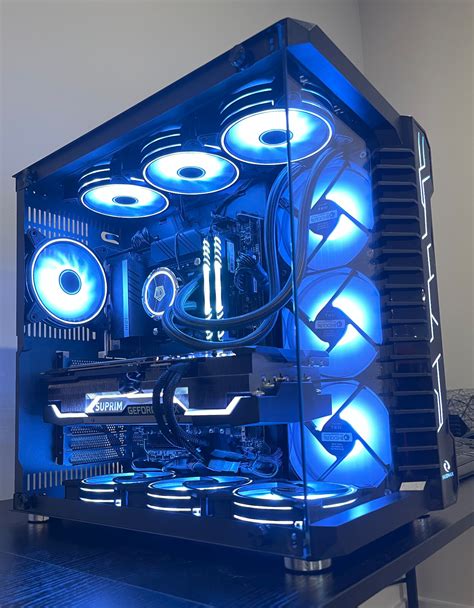
- Clean Your PC: Dust accumulation in fans and heatsinks is a major cause of overheating. Regularly clean your CPU cooler, GPU heatsink, and case fans with compressed air.
- Improve Airflow: Ensure your PC case has good airflow with intake and exhaust fans properly oriented.
- Upgrade Cooling: Consider upgrading your CPU cooler (to an AIO liquid cooler or a larger air cooler) or adding more/better case fans if temperatures remain high. Reapplying thermal paste to your CPU can also help.
Conclusion
Diagnosing and fixing low FPS on your gaming PC requires a methodical approach. By carefully monitoring your hardware, understanding the implications of different usage patterns, and systematically applying solutions—whether through hardware upgrades or software optimizations—you can identify the bottlenecks hindering your performance. Remember, a well-balanced system delivers the best gaming experience. Regular maintenance, driver updates, and keeping an eye on your system’s health will ensure your PC continues to run optimally for years to come.