What specific elements help indie games earn an Indie Spotlight?

Unveiling the Recipe for Indie Game Recognition
The indie game market is a vibrant, bustling ecosystem, but standing out from the thousands of new titles released annually can feel like finding a needle in a digital haystack. For many independent developers, an “Indie Spotlight” – whether from major platforms, esteemed critics, or influential communities – is the golden ticket to visibility and commercial success. But what exactly are the ingredients that help an indie game rise above the noise and capture that coveted attention?
Innovation and Distinctive Vision
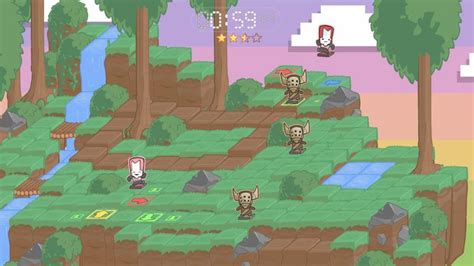
At the core of every spotlighted indie game lies a spark of innovation. This isn’t just about revolutionary technology, but often a fresh take on established genres, novel gameplay mechanics, or a truly unique artistic direction. Think of games that define a new subgenre or present an experience utterly unlike anything else on the market. Developers who dare to experiment, blend unlikely elements, or craft a signature aesthetic often catch the eye of curators and players looking for something genuinely new.
Exceptional Polish and Quality
While indie games are often made with limited resources, a lack of polish can quickly diminish their potential. Games that earn spotlights typically demonstrate a meticulous attention to detail, robust functionality, and a smooth player experience. This includes bug-free gameplay, intuitive UI/UX, satisfying controls, and high-quality sound design. A strong, cohesive artistic vision, even with a simpler graphical style, contributes significantly. Quality signals dedication and respect for the player’s time and money.
Compelling Narrative and World-Building
Beyond mechanics, a captivating story or an immersive world can elevate an indie game from good to unforgettable. Whether it’s a poignant character-driven tale, a sprawling lore-rich universe, or environmental storytelling that sparks curiosity, a strong narrative hook keeps players invested. Games like Hades or Undertale are prime examples where story, characters, and world-building are just as crucial as their gameplay loops, fostering deep emotional connections.
![🔥 [29+] Indie Backgrounds | WallpaperSafari](/images/aHR0cHM6Ly90czQubW0uYmluZy5uZXQvdGg/aWQ9T0lQLmJ4NHo1UTNuVzVWRG1JcXhxdUVBVEFIYU5ZJnBpZD0xNS4x.webp)
Effective Community Engagement and Marketing
Even the best game needs to be seen. Indie developers who actively engage with their communities, share development insights, and maintain a consistent presence on social media and forums significantly increase their chances of being noticed. Releasing compelling demos, participating in online festivals, and securing coverage from streamers and journalists are vital marketing efforts. A strong, organic buzz often precedes an official spotlight, demonstrating a pre-existing audience interest.

Positive Critical Reception and Player Feedback
Before a game gets a major spotlight, it often garners positive word-of-mouth and favorable reviews. Early access periods, public betas, and game jam entries provide opportunities for developers to gather feedback, iterate, and build a positive reputation. When a game receives strong reviews from critics and enthusiastic endorsements from early players, it signals to platforms and larger audiences that this is a title worth paying attention to.
Accessibility and Broad Appeal (or Niche Mastery)
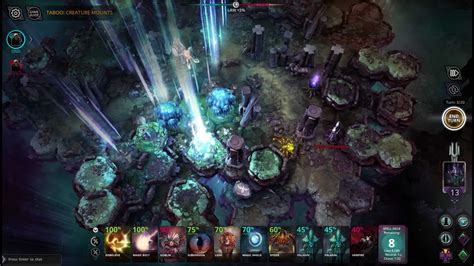
While some indie games achieve spotlight status by appealing to a very broad audience with innovative yet accessible mechanics, others do so by perfectly mastering a niche. Understanding your target audience – whether it’s a wide demographic or a highly specific group seeking a particular experience – and designing a game that resonates deeply with them is key. Games that cater thoughtfully to specific player desires, or those that successfully break down barriers to entry for a wider market, are often rewarded with greater visibility.
The Confluence of Excellence
Ultimately, earning an Indie Spotlight is rarely about a single element but rather a harmonious blend of many. It’s the unique vision brought to life with exceptional polish, wrapped in a compelling package, and effectively communicated to an eager audience. Developers who pour their passion into their craft, listen to their players, and aren’t afraid to push creative boundaries are those most likely to see their games shine brightly in the ever-expanding indie universe.