Gaming PC overheating? What’s the best airflow config for max FPS?

A high-performance gaming PC generates significant heat, and if not properly managed, this heat can lead to thermal throttling, reduced component lifespan, and a noticeable drop in frame rates. Optimizing your PC’s internal airflow is crucial for maintaining cool temperatures and ensuring your system consistently delivers peak performance for maximum FPS.
Why Airflow Matters for Gaming Performance
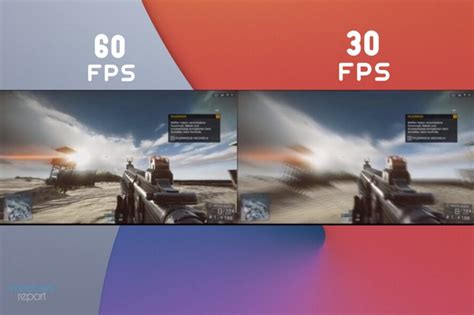
Heat is the silent enemy of performance. Components like your CPU and GPU operate best within specific temperature ranges. When temperatures rise too high, these components automatically reduce their clock speeds (throttle) to prevent damage. This thermal throttling directly translates to lower FPS, stuttering, and a less enjoyable gaming experience. Effective airflow dissipates this heat efficiently, allowing components to run at their intended speeds and sustain peak performance during intense gaming sessions.
Understanding PC Airflow Basics
PC airflow relies on creating a clear, unimpeded path for cool air to enter the case, absorb heat from components, and then exit. Hot air naturally rises, so strategically placing intake and exhaust fans is key. The fundamental goal is to move as much air as possible across heat-generating components (like your CPU, GPU, and chipset) without creating ‘dead zones’ where hot air stagnates or, worse, recirculating already heated air back into the system.
Common Airflow Configurations
There are three primary airflow configurations, each with its own advantages and disadvantages:
1. Positive Pressure
- Definition: More air is pushed into the case (intake) than exhausted out.
- Pros: Creates a slight positive pressure inside the case, which helps to keep dust out by forcing air through filtered intake points and preventing dust from entering through unfiltered gaps. It ensures a steady supply of cool air to all components.
- Cons: Can sometimes create ‘dead zones’ if exhaust is insufficient, leading to pockets of warm air.
2. Negative Pressure
- Definition: More air is exhausted from the case than taken in.
- Pros: Excellent for quickly expelling hot air and can be effective in cases with limited intake options.
- Cons: Creates a slight vacuum, drawing in air from any available opening, including unfiltered gaps and cracks, making it generally worse for dust accumulation over time.
3. Balanced Pressure
- Definition: Intake and exhaust airflow are roughly equal.
- Pros: Aims to find a sweet spot between dust prevention and efficient heat removal. Often considered the ideal balance for most users, providing good cooling without excessive dust buildup.
- Cons: Requires careful fan selection and placement to achieve true balance.
Strategic Fan Placement for Optimal Cooling
Where you place your fans is just as important as how many you have:
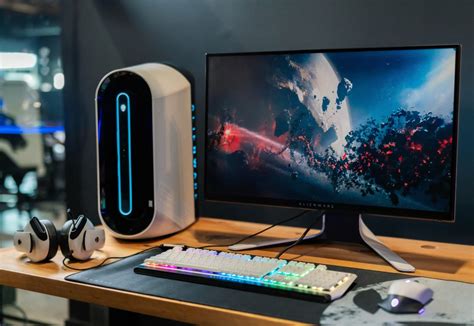
- Intake Fans: Typically located at the front and bottom of the case, drawing cool air from outside. Front fans usually cool the drive bays and provide fresh air for the GPU. Bottom fans, if present, are great for direct GPU cooling.
- Exhaust Fans: Usually at the rear and top of the case, expelling hot air. Rear fans are crucial for expelling CPU heat, while top fans are excellent for evacuating rising hot air, especially from liquid cooling radiators.
- CPU Cooling: Ensure your CPU cooler’s fans are oriented to work with the overall case airflow (e.g., pulling air from front to back, or bottom to top). A tower cooler’s fan should ideally blow towards the rear exhaust fan.
- GPU Cooling: While GPUs have their own dedicated fans, proper case airflow ensures these fans draw in cooler ambient air, rather than recirculated hot air from the CPU or other components. Bottom intake fans can significantly benefit GPU temperatures.
Advanced Tips for Max FPS Airflow Optimization
Beyond fan configuration, several other factors contribute to an optimized cooling setup:
- Cable Management: Tidy cables don’t just look good; they prevent obstructions to airflow. Bundle and route cables behind the motherboard tray to keep the main airflow path clear.
- Dust Filters: Regularly clean dust filters on intake fans and any other filtered vents. Dust acts as an insulator and significantly impedes heat dissipation, effectively choking your airflow.
- Case Selection: Choose a case designed for good airflow, often featuring mesh front panels, ample fan mounting options (including support for larger fans), and good internal layout for component spacing.
- Fan Speed Control: Utilize your motherboard’s BIOS settings or software utilities (like Fan Control, NZXT CAM, Corsair iCUE, etc.) to create custom fan curves. These curves can ramp up fan speed under load to maintain optimal temperatures without generating excessive noise when idle.
- Thermal Paste: Ensure your CPU cooler has fresh, high-quality thermal paste applied. Over time, thermal paste can dry out and become less effective. Reapplying it every few years can make a noticeable difference.

Conclusion
Achieving the best airflow configuration for your gaming PC is a continuous optimization process, but investing time in it pays off with significantly lower temperatures, greater system stability, and consistent maximum FPS. By understanding the principles of airflow, applying smart fan placement strategies, maintaining excellent cable management, and performing regular dust removal, you can keep your high-performance rig running cool and performing at its absolute peak, ensuring a smooth and immersive gaming experience.