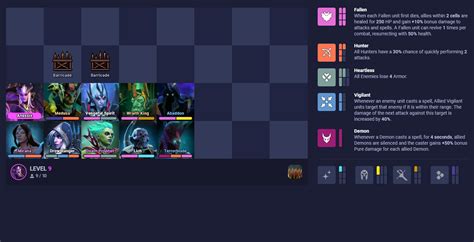
Stuck with a non-meta build? How to pivot fast for optimal performance in current meta?

Every seasoned gamer knows the exhilarating feeling of crafting a unique, off-meta build that defies expectations and triumphs. However, the ever-shifting sands of game patches, balance changes, and community discoveries mean that today’s underdog hero can quickly become tomorrow’s dead weight. When your beloved, non-meta creation starts underperforming, the crucial question isn’t whether to adapt, but how quickly and effectively you can pivot to reclaim optimal performance within the current meta.
The Inevitability of Meta Shifts
Game developers constantly tweak their creations, leading to new strategies emerging and old ones fading. A build that once dominated due to powerful synergies or overlooked mechanics can swiftly become obsolete after a patch. Ignoring these shifts can lead to frustrating losses, stagnation in competitive rankings, and a diminished enjoyment of the game. Understanding that the meta is a dynamic entity, not a static one, is the first step towards successful adaptation.

Identifying the Current Meta: Your First Reconnaissance Mission
Before you can pivot, you need to know what you’re pivoting towards. This involves thorough reconnaissance:
- Patch Notes Deep Dive: Always start here. Look for buffs, nerfs, reworks, and new content that could empower certain archetypes or severely weaken others.
- Community Wisdom: Follow top streamers, professional players, and active community forums. They often discover optimal strategies faster than anyone else.
- In-Game Observation: Pay attention to what your opponents (and successful teammates) are playing. What builds consistently perform well against you?
Synthesize this information to get a clear picture of the dominant characters, items, skills, and strategies that define the current optimal path.
Assessing Your Non-Meta Build: What Can Be Salvaged?
Don’t immediately throw the baby out with the bathwater. Your non-meta build likely has core components you’re fond of or have invested heavily in. Evaluate:
- Core Identity: Is there a fundamental playstyle (e.g., burst damage, sustained DPS, tanking, utility support) that still has a place in the meta, even if specific items or skills don’t?
- Salvageable Components: Are there any items, abilities, or stat allocations that remain strong or are indirectly buffed by the meta shift?
- Weak Links: Identify the parts of your build that are actively underperforming or are hard-countered by meta strategies. These are your prime targets for replacement.

Strategic Pivoting: From Minor Tweaks to Major Overhauls
Pivoting isn’t always a complete rebuild. It exists on a spectrum of commitment and resource investment:
1. Minor Adjustments (The Quick Fix)
This involves swapping out 1-2 items, a single skill point allocation, or a talent choice. Ideal when your build is mostly viable but needs a small optimization to counter a specific meta threat or leverage a new strength. It’s the least resource-intensive and often the first step.
2. Core Preservation (Adapting the Shell)
You keep your fundamental character/playstyle but significantly re-evaluate secondary items, support skills, or ancillary stats. For instance, a tank might swap damage items for more crowd control if the meta favors sustained engages, while keeping their core defensive gear.

3. Soft Reroll (Archetype Shift)
This is where you shift to a closely related, meta-friendly archetype. If you were playing an arcane mage and int-based casters are strong, but fire mages are currently dominant, you might respec into fire, utilizing similar gear and stat priorities. It’s a more significant change but often still within your character’s class or role identity.
4. Hard Reroll (Starting Anew)
When your beloved build or even your entire class/character archetype is completely irrelevant, a hard reroll might be necessary. This means investing in a completely new build, character, or even playstyle that aligns perfectly with the current meta. This is the most resource-intensive option, often requiring significant time and effort, but guarantees optimal performance if executed well.
Efficient Resource Management During a Pivot
Pivoting often means spending in-game currency, materials, or even real-world time. Plan your transition:
- Prioritize Investments: Focus on components that offer the biggest power spike first.
- Leverage Existing Assets: Can any of your old gear or materials be repurposed or sold to fund the new build?
- Stagger Changes: Unless a hard reroll is unavoidable, make changes incrementally. This allows you to test efficiency and avoid a complete loss of power during the transition period.
Test, Refine, and Conquer
Once you’ve made your adjustments, don’t expect instant perfection. Take your new build into various scenarios, whether it’s practice mode, unranked matches, or lower-tier competitive play. Observe what works, what doesn’t, and make micro-adjustments. The meta is always evolving, so your journey of adaptation is a continuous one.

Conclusion
Being “stuck” with a non-meta build can be a frustrating experience, but it’s also an opportunity for growth and strategic mastery. By understanding the meta, meticulously assessing your current setup, and employing smart pivoting techniques, you can not only adapt but thrive. Embrace change, stay agile, and remember that true skill lies not just in perfecting one strategy, but in mastering the art of adaptation itself.