How to balance competitive esports play with school or work?

The allure of competitive esports is undeniable – the thrill of victory, the camaraderie of a team, and the potential for professional glory. However, for many aspiring players, this passion must coexist with the equally demanding responsibilities of school or work. Striking this delicate balance is not just challenging; it’s a critical skill for sustained success in both arenas.
Understanding the Time Commitment
Competitive esports, especially at higher levels, is not merely a hobby; it’s a serious commitment. Practice sessions with a team can easily run several hours a day, multiple times a week. Add to that scrimmages, VOD reviews, individual practice, strategy discussions, and actual tournament play, and the hours quickly accumulate. This intense schedule often conflicts directly with classes, study time, project deadlines, or professional work hours.
Mastering Time Management and Prioritization
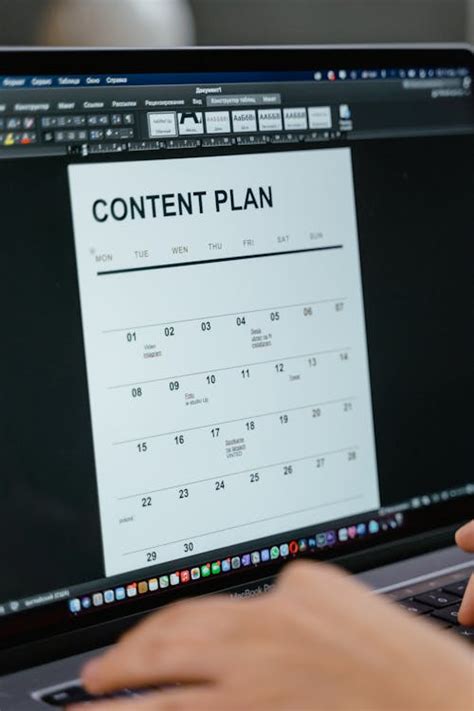
Effective time management is the cornerstone of balancing esports with other obligations. Start by creating a detailed schedule that includes all academic or work commitments, social events, and dedicated esports blocks. Be realistic about how much time you genuinely have and how much energy each activity demands. Use digital calendars or planners to keep track of everything.
Strategy 1: Set Clear Priorities
Decide what truly matters most at any given time. Is a crucial exam coming up? Then academic study might take precedence over an optional scrim. Are you preparing for a major tournament? Then dedicated practice might temporarily outweigh a less urgent work task. Communicate these priorities to your team, teachers, or employer in advance.
Strategy 2: Optimize Study/Work Sessions
When you’re focusing on school or work, be fully present. Minimize distractions and use techniques like the Pomodoro Technique to maximize productivity. The more efficiently you complete your other tasks, the more guilt-free time you’ll have for esports.
Communication and Support Systems
Don’t try to go it alone. Open and honest communication is vital. Inform your esports team about your academic or work schedule and any periods where you might have limited availability. A good team will understand and be supportive. Similarly, communicate with your professors, colleagues, or boss if your esports commitments might occasionally impact your schedule. Proactive communication can prevent misunderstandings and build trust.
Lean on your support network: friends, family, and mentors. They can offer encouragement, practical help, or simply be a sounding board when you feel overwhelmed.

Preventing Burnout: Self-Care is Non-Negotiable
The demands of juggling multiple high-pressure activities can quickly lead to burnout. Prioritizing self-care is not a luxury; it’s a necessity for sustained performance in both esports and life. Ensure you’re getting adequate sleep – typically 7-9 hours per night. Neglecting sleep severely impairs cognitive function, reaction time, and overall well-being.
Incorporate regular physical activity into your routine, even if it’s just a short walk. Physical health directly impacts mental acuity. Also, schedule dedicated downtime – time away from screens and competitive pressure – to relax, pursue other hobbies, and recharge your mental batteries.

Setting Realistic Goals and Embracing Flexibility
It’s important to be honest with yourself about your capabilities and limitations. Not everyone can achieve professional esports status while simultaneously excelling in a demanding academic or career path. Set realistic goals for both your esports aspirations and your other responsibilities.
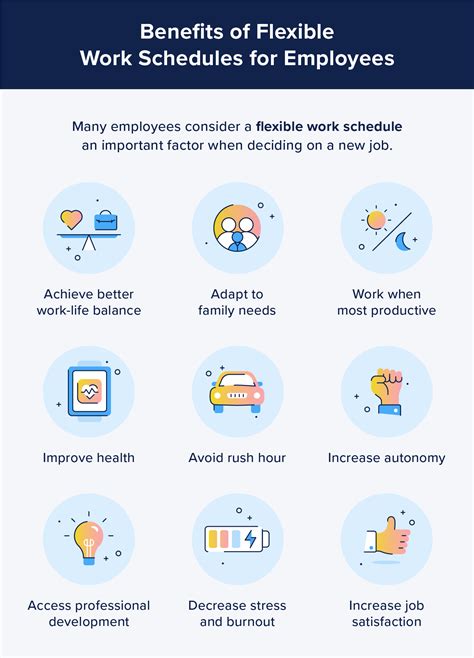
Be prepared to be flexible. Life happens, and sometimes a sudden deadline at work or a critical assignment will demand your full attention. The ability to adapt your schedule and make temporary adjustments without getting discouraged is a key trait of successful multi-taskers. Remember, long-term success often requires short-term sacrifices in one area for the benefit of another.
Conclusion
Balancing competitive esports with school or work is a marathon, not a sprint. It demands discipline, strategic planning, strong communication, and a commitment to self-care. By mastering these skills, aspiring esports athletes can pursue their passion without sacrificing their academic or professional futures, paving the way for a well-rounded and successful life both inside and outside the game.