Managing mod community toxicity: best practices for mod teams?

The Pervasive Challenge of Online Toxicity in Mod Communities
Modding communities are vibrant hubs of creativity, collaboration, and shared passion. However, like many online spaces, they are not immune to toxicity. Anonymity, strong opinions, diverse expectations, and cultural differences can sometimes converge to create an environment where negativity, harassment, and conflict flourish. Unchecked toxicity can lead to a decline in user engagement, drive away talented mod developers, and create an unwelcoming atmosphere that stifles innovation and community growth.
For mod teams, navigating this landscape requires more than just reactive measures; it demands a strategic, proactive, and empathetic approach. Establishing clear boundaries, fostering positive interactions, and supporting the mental well-being of moderators are crucial steps in cultivating a healthier online space.
Establishing Clear and Comprehensive Guidelines
The foundation of effective community moderation lies in a robust set of rules and guidelines. These shouldn’t just be vague appeals to ‘be nice’; they need to be explicit, easily accessible, and cover a comprehensive range of undesirable behaviors. Mod teams should work to define what constitutes hate speech, personal attacks, harassment, spam, misinformation, and any other specific issues prevalent in their community.
Making these rules visible, for instance, in a dedicated ‘rules’ channel or section, and ensuring they are regularly referenced, helps set expectations. It also provides mod teams with a clear framework for enforcement, reducing ambiguity and promoting consistency.

Proactive Engagement and Community Building
Prevention is often more effective than cure. Mod teams can significantly reduce toxicity by actively fostering a positive and inclusive community culture. This involves more than just deleting bad posts; it means genuinely engaging with members, celebrating positive contributions, and creating avenues for constructive discussion.
Organizing community events, featuring standout modders, or running Q&A sessions can strengthen bonds and encourage a sense of belonging. Furthermore, establishing clear channels for feedback and dispute resolution outside of public forums can help address issues before they escalate into widespread toxicity. A community that feels heard and valued is less likely to devolve into negativity.
Consistent and Transparent Enforcement
Rules are only as effective as their enforcement. Inconsistency in applying guidelines can quickly breed resentment, undermine the mod team’s authority, and erode community trust. Mod teams should develop a clear, documented escalation path for violations, ranging from warnings and temporary suspensions to permanent bans for severe or repeated offenses.
While protecting user privacy is paramount, transparency in moderation decisions (where appropriate) can build confidence. Explaining *why* a particular action was taken, rather than just *what* action was taken, helps the community understand the reasoning and the boundaries. This consistency and transparency are vital for maintaining perceived fairness.
Utilizing Moderation Tools and Techniques
Leveraging technology can significantly aid mod teams in their efforts. Automated filters, keyword blacklists, and robust user reporting systems can help catch problematic content before it spreads and alleviate some of the manual workload. However, tools are only as good as the people using them.
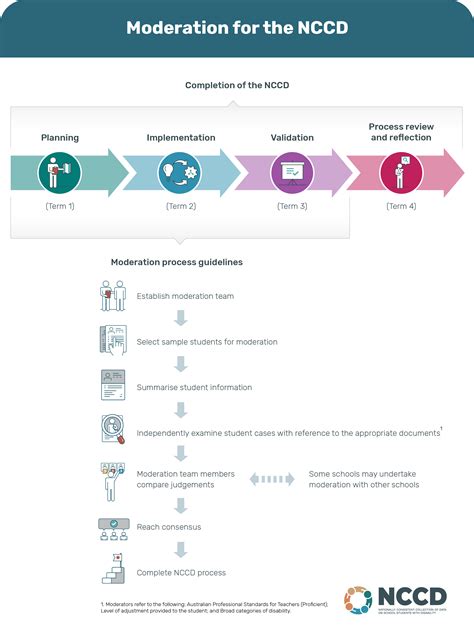
Investing in training for mod team members on conflict resolution, de-escalation tactics, and objective decision-making is crucial. Encouraging the use of private messaging for sensitive issues or conflict mediation can prevent public flame wars from igniting. Diversifying the mod team with individuals who possess different perspectives and communication styles can also enhance their overall effectiveness.
Supporting the Mod Team’s Well-being
Moderating online communities, especially toxic ones, can be an emotionally draining and thankless task. Burnout is a significant risk for mod team members. Best practices include establishing internal support systems, such as regular check-ins, a private channel for mod-only discussions, and clear boundaries for their roles and responsibilities.
Encouraging breaks, rotating duties, and providing access to resources for handling difficult interactions are essential. A healthy, supported mod team is far more effective and resilient in the face of community challenges. Remember, moderators are volunteers or dedicated individuals, and their mental health should be a priority.

A Continuous Evolution for Healthier Communities
Managing toxicity in mod communities is not a one-time fix but an ongoing, adaptive process. The nature of online interactions and the specific challenges of a community can change rapidly, requiring mod teams to be flexible and willing to evolve their strategies.
Regularly reviewing rules, gathering feedback from the community, and staying informed about best practices in online moderation are all crucial. By committing to clear guidelines, proactive engagement, consistent enforcement, smart tools, and dedicated support for their own, mod teams can foster more welcoming, productive, and ultimately healthier environments for everyone who contributes to the rich world of modding.