How can “Indie Spotlight” maximize game discoverability & reader wishlists?

The Indie Game Discovery Challenge
In today’s saturated gaming market, standing out as an indie developer is tougher than ever. Millions of games vie for attention, making game discoverability a monumental challenge. An “Indie Spotlight” feature, whether on a blog, magazine, or platform, offers a crucial window of opportunity. But simply featuring a game isn’t enough; maximizing its impact requires a strategic approach to capture attention and convert casual readers into dedicated fans and wishlist additions.
Crafting Compelling Spotlight Content
The core of any successful “Indie Spotlight” lies in its content. It needs to be more than just a game description; it must tell a story, evoke emotion, and showcase the unique spirit of the game and its creators.
- Developer Story: Highlight the journey, passion, and struggles behind the game. Personal anecdotes resonate deeply with readers and build a connection.
- Unique Selling Points (USPs): Clearly articulate what makes the game special. Is it a unique mechanic, a groundbreaking art style, an emotional narrative, or a new take on a classic genre?
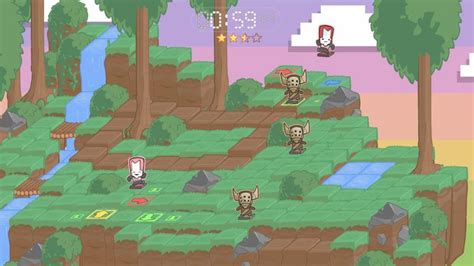
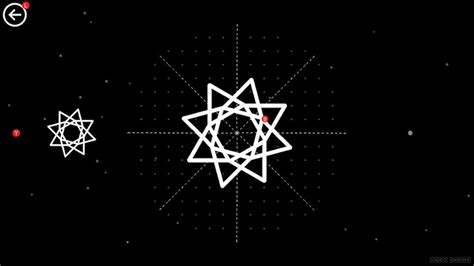
- Rich Visuals & Media: Integrate high-quality screenshots, captivating concept art, and an engaging trailer. Visuals are often the first point of connection and crucial for conveying atmosphere and gameplay.
- Gameplay Insights: Offer a glimpse into the mechanics without giving away spoilers. Explain what the player does and how it feels.
Maximizing Reach and Visibility
Even the best content won’t work if no one sees it. Strategic promotion is key to pushing the “Indie Spotlight” to the widest possible audience.
- Search Engine Optimization (SEO): Use relevant keywords in the article title, headings, and body text. Think about terms players might search for, such as “new indie RPG,” “unique puzzle game,” or the game’s specific genre.
- Social Media Amplification: Share the spotlight article across all relevant social media channels (Twitter, Facebook, Instagram, Reddit, TikTok). Create teaser content, use relevant hashtags, and encourage sharing.
- Cross-Promotion with Developers: Work closely with the featured game’s developers to have them share the article across their own networks. This significantly expands the reach to their existing community.
- Newsletter Integration: Feature the spotlight prominently in any newsletters or email campaigns, directly reaching an engaged audience.

Driving Wishlist Conversions
The ultimate goal of discoverability is to convert interest into concrete action. Wishlists are vital for future success, signaling player interest to platforms and providing a direct line for future updates.
- Clear Calls to Action (CTAs): Don’t just mention the game is on Steam or other platforms; explicitly tell readers to “Add to Wishlist Now!” Place these CTAs strategically throughout the article, especially near compelling visuals or gameplay descriptions.
- Direct Links: Provide easily accessible, clickable links directly to the game’s storefront page(s). Reduce friction for the reader.
- Incentives (If Applicable): If there are any pre-order bonuses, demo availability, or upcoming events (like a free weekend), highlight these as strong motivators.
- Urgency and Exclusivity: While not always possible, if the spotlight coincides with a launch, sale, or limited-time demo, emphasize that.
Beyond the Initial Spotlight
The impact of an “Indie Spotlight” doesn’t end after publication. Long-term strategies can further extend its value.
- Community Engagement: Monitor comments on the article and social media. Respond to questions, foster discussion, and maintain the momentum.
- Analytics & Feedback: Track article views, click-through rates to wishlists, and social shares to understand what resonates most. Use this data to refine future spotlights.
- Follow-Up Content: Consider follow-up articles, developer interviews, or updates on the game’s progress, keeping the spotlighted game in the public eye.

Conclusion
An “Indie Spotlight” is more than just an article; it’s a powerful tool for empowering independent game developers. By focusing on compelling content, strategic promotion, and clear calls to action for wishlisting, any “Indie Spotlight” can significantly cut through the noise, boost game discoverability, and build a fervent community of players eagerly awaiting the next big indie hit.