What’s the best way to vet user-submitted game mods for safety & quality?

Navigating the Wild West of User-Generated Content
User-submitted game mods are a vibrant lifeblood for many gaming communities, extending gameplay, introducing new mechanics, and breathing fresh air into beloved titles. However, this openness comes with inherent challenges: how do developers and platform hosts ensure these contributions are safe, free from malware or exploits, and meet a reasonable standard of quality? The answer lies in a comprehensive, layered vetting process.
Establishing Clear Guidelines and Policies
The foundation of any successful modding ecosystem is a robust set of clear, accessible guidelines. These policies should explicitly define what constitutes acceptable content, outlining prohibitions against malware, copyrighted material, offensive content, and performance-damaging elements. They should also detail quality expectations, such as functionality, stability, and compatibility.
Communicating these rules effectively to mod creators and the wider community is crucial. A well-understood framework minimizes submissions that violate policy and empowers users to identify potential issues. Transparency builds trust and fosters a responsible modding environment.

Automated Scanning and Analysis Tools
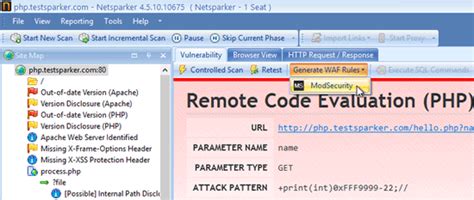
For sheer volume, automated tools are indispensable in the initial vetting stages. These systems can perform a variety of checks rapidly:
- Malware and Virus Scans: Basic integrity checks to detect known malicious code signatures.
- Script Analysis: Static code analysis to flag suspicious functions, network calls, or unauthorized file system access within mod scripts.
- Dependency Checks: Ensuring mods don’t rely on or bundle dangerous external components.
- File Integrity: Verifying file types and sizes to detect potential disguised executables.
- Performance Baselines: Simple automated tests to identify immediate, egregious performance drains.
While powerful, automated tools have limitations. They are excellent at catching known threats and obvious red flags but often miss subtle exploits, highly obfuscated code, or subjective quality issues.
Manual Review and Quality Assurance
No automated system can fully replace the human element. Manual review by a dedicated team or trusted community members is critical for both safety and quality assurance:
- Functional Testing: Installing and actively playing with the mod in a sandboxed environment to ensure it works as described, doesn’t crash the game, or introduce significant bugs.
- Visual and Content Inspection: Checking for compliance with content guidelines, lore appropriateness, and overall aesthetic quality.
- Code Review (for select mods): For complex or high-impact mods, a deeper code review by experienced developers can uncover hidden vulnerabilities.
- Performance Observation: Monitoring in-game performance while the mod is active to detect frame rate drops, memory leaks, or loading issues.
This stage is resource-intensive but vital for guaranteeing a positive user experience and catching what automated systems miss.
Leveraging the Community for Feedback and Reporting
The gaming community itself is an invaluable asset in the vetting process. Empowering users with robust reporting tools can quickly surface problematic mods that may have slipped through initial checks. Features include:
- User Ratings and Reviews: Allowing players to rate mods and provide detailed feedback on safety, stability, and quality.
- Report Functionality: Easy-to-use systems for reporting bugs, security concerns, guideline violations, or malicious content.
- Community Moderators: Enlisting trusted community members to help monitor reported content and escalate serious issues.
Establishing clear protocols for responding to community reports and taking swift action against confirmed issues reinforces trust and accountability.
Iterative Process and Developer Support
Vetting isn’t a one-time event; it’s an ongoing process. Modding platforms should continuously monitor active mods, update their vetting tools, and refine guidelines based on new threats or community feedback. Furthermore, providing resources and support to mod creators can significantly improve overall quality and safety.
- API Documentation: Clear guides for interacting safely with game systems.
- Best Practices Guides: Tutorials on secure coding and performance optimization.
- Developer Forums: A space for modders to collaborate and seek help, fostering a more knowledgeable and responsible community.
By investing in the modding community, developers can proactively address potential issues and elevate the quality of user-generated content.

Conclusion
The best way to vet user-submitted game mods for safety and quality is not a single tool or technique, but a synergistic blend of all the above. It requires a commitment to clear rules, technological solutions, human oversight, and active community engagement. By balancing openness with vigilance, game developers can harness the incredible creative power of their communities while protecting their players from potential harm and ensuring a consistently enjoyable experience.