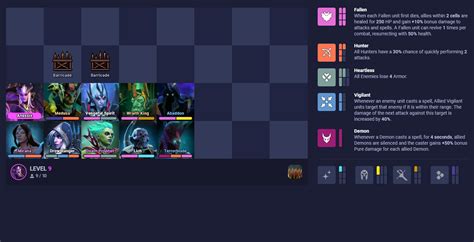
Why does my meta build feel weak? Optimize it for solo play & low budget!

The Meta Mirage: Why Top Builds Disappoint Solo/Budget Players
Ever picked up a ‘top-tier’ meta build, excited to dominate, only to find yourself struggling, dying repeatedly, and feeling like you’re missing something crucial? You’re not alone. The frustration of investing time and effort into a highly-touted build, only for it to fall flat in your hands, is a common experience for many gamers. The root cause often lies in a fundamental disconnect between how meta builds are designed and the realities of solo play or limited budgets.
Meta builds, by their very nature, are often optimized for specific, ideal conditions. This typically includes a full party providing synergistic buffs and crowd control, access to the absolute best-in-slot (BiS) legendary or unique gear, perfect stat rolls, and a high player skill ceiling to execute intricate rotations flawlessly. When these conditions aren’t met – especially in solo play where you are your own tank, healer, and damage dealer, or when working with a constrained budget – the build’s core strengths can quickly unravel.
Solo play demands self-sufficiency: reliable healing, robust damage mitigation, effective crowd control, and sustained damage output. Pure DPS meta builds often sacrifice these elements, relying on external support to cover their weaknesses. Similarly, budget constraints mean you simply can’t acquire the costly unique items, rare enchantments, or specific stat combinations that are the linchpins of many meta strategies. Without these core enablers, the build loses its intended synergy and power, leaving you feeling significantly underpowered.

Core Principles for Solo & Low-Budget Optimization
To turn a meta build from a source of frustration into a formidable solo powerhouse, you need to shift your priorities. Think of it as adapting a blueprint for a supercar to build a rugged, all-terrain vehicle instead.
Prioritize Survivability & Sustain
The cardinal rule of solo play is simple: dead DPS is no DPS. Before you can dish out damage, you need to survive. Focus on defensive layers first. This means looking for gear with vital defensive stats like resistances, armor, health, block chance, or dodge rating, often over raw offensive stats initially. Integrate skills or passive abilities that provide damage reduction, health regeneration, or instant healing. A build that can sustain itself through encounters, even if it kills slightly slower, will progress far more reliably than a glass cannon that constantly dies.
Embrace Self-Sufficiency
In a solo environment, your build needs to cover all bases. It must deal damage, heal itself, provide crowd control to manage enemy groups, and survive burst damage. Actively seek out skills, passives, or gear enchantments that offer these utilities. For instance, if your meta build relies on a party member for ‘pulls,’ you might need to spec into an area-of-effect crowd control skill. If it lacks healing, look for ‘life on hit/kill’ or ‘health regeneration’ modifiers.
Seek Accessible Synergies
Instead of chasing exorbitantly priced unique items that define the meta, identify what makes the build’s core mechanics tick. Can you replicate the essential synergy with more common or craftable gear pieces? Look for skills that scale well with generic stats or modifiers that are readily available on magic or rare items. For example, if a unique item grants ‘X% increased damage to poisoned enemies,’ can you get a similar effect through a cheaper rare item with a lesser percentage or by applying poison more reliably through skills?
Practical Strategies for Tuning Your Build
Now that we understand the core principles, let’s get into the actionable steps to transform your meta build.
Gear Swaps: Budget-Friendly Alternatives
Carefully examine the most expensive or hard-to-acquire pieces in the meta build. Can you substitute them with a well-rolled rare item that prioritizes similar stat types, even if it offers less raw power? For instance, if a legendary weapon provides ‘high critical strike chance’ and ‘life on hit,’ look for a rare weapon with a decent base damage, some critical strike, and a craftable ‘life on hit’ affix. Focus on replicating the *function* of the gear, not necessarily its exact power level.
Skill & Talent Respecs: Solo Utility
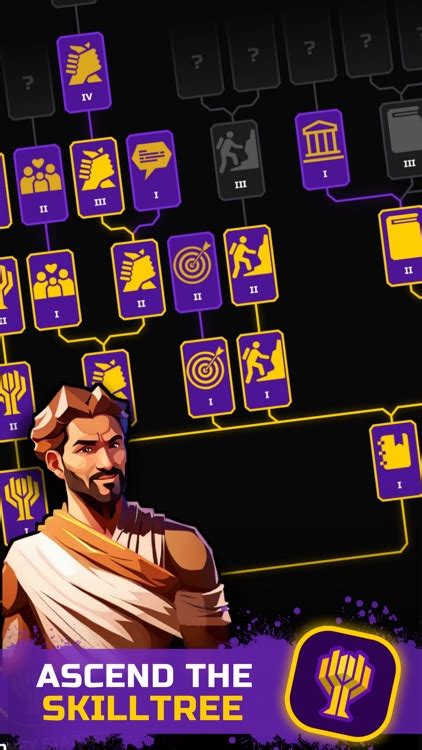
Meta builds often have talent trees or skill allocations that prioritize pure damage or group utility. Reallocate these points. Swap out skills that primarily benefit group play (e.g., pure damage buffs for allies, large area-of-effect debuffs meant for tanks) for those that grant self-healing, defensive cooldowns, crowd control abilities, or mobility. A passive that grants ‘5% increased damage per ally’ is useless solo; replace it with ‘5% increased maximum health’ or ‘2% life leech.’
Focus on Core Mechanics, Not Max Roll Stats
Understand the fundamental mechanics that make the meta build powerful. Is it a specific damage type, a particular debuff interaction, or a unique proc? Your goal is to replicate this core mechanic with cheaper gear, even if the numbers aren’t as high. Often, the critical synergy or interaction is more accessible than the final, highly optimized stat rolls. For example, if the meta build revolves around ‘applying X debuff and then dealing massive damage,’ focus on reliably applying X debuff with affordable means, even if your ‘massive damage’ is currently just ‘good damage.’
Leverage Crafting & Vendor Recipes
Many games offer robust crafting systems that can be a goldmine for budget players. Instead of relying solely on rare drops, learn to use crafting benches, enchanting tables, or vendor recipes to create powerful, custom-rolled gear. Often, you can target specific defensive or offensive affixes more easily through crafting than through endless grinding. Don’t underestimate quest rewards or specific vendor items that might offer temporary but effective gear upgrades.

The Solo Player’s Checklist for Success
Before heading into challenging content, run through this quick checklist to ensure your adapted build is ready:
- Can I reliably survive standard content (e.g., normal mobs, smaller elites) without constant dodging or needing external healing?
- Do I have a consistent primary source of healing or sustain (lifesteal, health regeneration, reliable potion usage, defensive cooldowns)?
- Does my damage feel consistent and sufficient for clearing content at a reasonable pace, not just bursty for specific scenarios?
- Are my crowd control abilities (stuns, roots, slows, pulls) sufficient for managing groups of enemies or kiting dangerous foes?
- Is my current gear mostly accessible through normal play, cheap trades, or crafting, without relying on extremely rare or expensive items?

Conclusion
Optimizing a meta build for solo and low-budget play isn’t about compromising quality; it’s about smart adaptation. By understanding the inherent differences between theoretical meta conditions and your personal play environment, you can make informed decisions. Prioritizing self-sufficiency, survivability, and accessible synergies will transform a seemingly weak meta build into a formidable solo powerhouse. You’ll gain a deeper understanding of game mechanics and build strong foundations that can scale into true endgame power when your budget and resources eventually grow. Happy gaming!