How to efficiently update old game guides without hurting SEO?
In the fast-evolving world of gaming, guide content can quickly become outdated. Patches, DLCs, and new strategies emerge constantly, rendering even the most comprehensive guides obsolete. Updating these valuable resources is crucial for reader retention and attracting new traffic, but it must be done carefully to avoid inadvertently harming your search engine optimization (SEO). This guide outlines efficient strategies to refresh your old game guides while protecting and even enhancing your SEO performance.
The Importance of Freshness and Accuracy for SEO
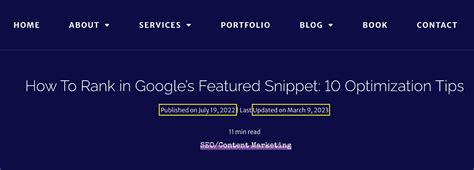
Search engines prioritize fresh, accurate, and comprehensive content. An outdated guide, even if it once ranked well, can lose its authority over time. Users who land on inaccurate information will quickly bounce, signaling to search engines that your content may not be the best resource. Regular updates demonstrate to search engines that your site is active and provides relevant value, which can positively impact your rankings.
Beyond search engines, maintaining updated guides is critical for your audience. Gamers rely on precise information to improve their gameplay. Providing current, detailed guides builds trust and positions your website as an authoritative source within the gaming community, encouraging repeat visits and natural backlinks.

Strategic Content Refresh Techniques
Conduct a Content Audit
Before diving into updates, perform an audit of your existing guides. Identify which guides are underperforming, which are outdated, and which have the potential for significant traffic if refreshed. Prioritize guides that cover popular games or evergreen topics that have received significant updates.
Enhance Accuracy and Depth
The primary goal of an update is to ensure accuracy. Fact-check all information against current game versions, official patch notes, and community consensus. Look for opportunities to expand existing sections, add new strategies, incorporate new item data, or include details about recently released content. Consider adding new formats like video embeds (if applicable), infographics, or interactive elements to make the guide more engaging.
Optimize for New Keywords and User Intent
As games evolve, so do the search queries players use. Research new keywords that have emerged since your guide was first published. Integrate these naturally into your updated content, headings, and meta descriptions. Ensure your updated guide still aligns with the primary user intent behind the original search queries, but also consider if new intents have developed.
Technical SEO Best Practices During Updates
Preserve Original URLs (Where Possible)
The most critical SEO rule when updating content is to avoid changing the URL if the content still serves the same primary purpose. Your URL has accumulated SEO value (link equity) over time. If you drastically change the content to cover a different topic entirely, a new URL might be appropriate, but for simple refreshes, keep the URL intact. This prevents loss of backlinks and established search rankings.
Implement 301 Redirects for URL Changes
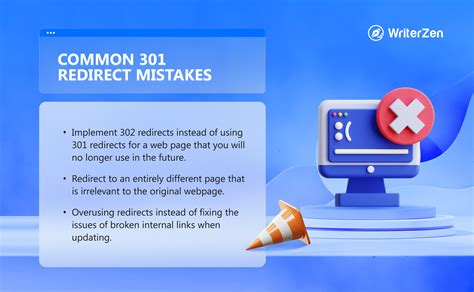
If a URL must change (e.g., due to a major game expansion or a complete restructuring of your guide categories), always implement a 301 permanent redirect from the old URL to the new one. This tells search engines that the content has permanently moved and passes most of the link equity to the new page, minimizing ranking loss.
Update Internal Linking
After updating a guide, scour your website for other pages that link to the old version and update those internal links to point to the refreshed content. Also, look for opportunities to link from your newly updated guide to other relevant pages on your site. Strong, relevant internal linking helps distribute ‘link juice’ and improves crawlability.
Refresh On-Page SEO Elements
- Title Tags & Meta Descriptions: Update these to accurately reflect the refreshed content and include any new relevant keywords.
- Headings (H1, H2, H3): Ensure headings clearly structure the content and incorporate keywords where natural.
- Image Alt Text: Update or add descriptive alt text for any new or existing images.
- Schema Markup: If applicable, update any schema markup (e.g., HowTo, Game, Review) to reflect the current guide’s information.

Monitoring and Analysis Post-Update
After implementing your updates, don’t just set it and forget it. Actively monitor the performance of your refreshed guides:
- Google Search Console: Check for any crawl errors, indexation issues, or changes in keyword rankings. Use the URL inspection tool to request re-indexing of your updated pages.
- Google Analytics: Monitor traffic, bounce rate, time on page, and conversion rates (if applicable). Look for improvements in user engagement.
- Rank Tracking Tools: Keep an eye on your target keywords to see how rankings are affected.
Use this data to make further iterative improvements. If a section isn’t performing well, consider refining it again. Continuous improvement is key to long-term SEO success.

Conclusion
Updating old game guides is not merely about keeping information current; it’s a strategic SEO move. By carefully planning your content refreshes, adhering to technical SEO best practices like preserving URLs and implementing 301 redirects, and continually monitoring performance, you can ensure your valuable content continues to rank high, attract new readers, and serve your gaming community effectively without hurting your existing SEO.