How do you prevent review bombing from skewing your game user scores?

Understanding the Impact of Review Bombing
Review bombing, the coordinated act of leaving a high volume of negative reviews for a game, can drastically skew its user scores and significantly impact its perceived quality. This phenomenon often arises from player dissatisfaction with specific game updates, developer decisions, or even unrelated political or social issues. The immediate fallout includes a drop in sales, a tarnished reputation, and a chilling effect on potential new players.
While genuine criticism is vital for growth, review bombing is not about constructive feedback; it’s about collective protest or punishment, making it challenging for potential buyers to distinguish valid concerns from coordinated attacks. For game developers, understanding the motives behind these events is the first step toward mitigation.
Proactive Strategies Before Launch
Prevention is always better than cure. Establishing strong community ties and clear communication channels before your game even launches can build a loyal player base more likely to defend your title against unfair attacks. Key proactive measures include:
- Transparent Communication: Keep your community informed about development progress, challenges, and future plans. Honesty builds trust.
- Active Beta Programs: Involve players early to catch critical bugs and gather feedback on controversial features, addressing issues before they become widespread grievances.
- Setting Expectations: Clearly communicate what your game is and isn’t. Misleading marketing can be a primary trigger for review bombs.
- Robust QA and Bug Fixing: A stable launch with minimal technical issues reduces early frustration, which often fuels negative campaigns.

Leveraging Platform-Level Tools and Features
Many digital storefronts have recognized the problem of review bombing and implemented tools to help developers. Familiarize yourself with and utilize these features:
- Anomaly Detection Systems: Platforms like Steam employ algorithms to identify unusual review activity, such as a sudden influx of negative reviews from new accounts, often flagging them for developer review or even adjusting score calculations during such events.
- Restricting Reviews to Verified Owners: Some platforms or developer settings only allow reviews from players who have purchased and spent a certain amount of time in the game, reducing the impact of ‘fake’ accounts.
- Time-Based Review Weighting: Some systems might give more weight to recent reviews or average scores over a longer period, diminishing the long-term impact of a concentrated short-term attack.
- Developer Response Features: Actively responding to negative reviews, even the unfair ones, demonstrates engagement and can sway undecided potential players.

Effective Post-Launch Community Management
Once your game is live, continuous and thoughtful community management is paramount. Your community managers are the frontline defense against review bombing.
- Active Moderation: Monitor forums, social media, and review sections for early signs of dissatisfaction or coordinated campaigns. Address issues calmly and professionally.
- Timely Updates and Patches: Promptly respond to major bugs or widely criticized features with patches or clear communication about planned fixes. Delays can escalate frustration.
- Feedback Loops: Create clear channels for players to submit feedback and demonstrate that their input is valued and considered. This can be through dedicated forums, surveys, or in-game tools.
- Transparency Post-Bombing: If a review bomb occurs, acknowledge the situation without validating the unfair aspects. Explain any issues being addressed and reiterate your commitment to the game and its community.
Data Analysis and Anomaly Detection
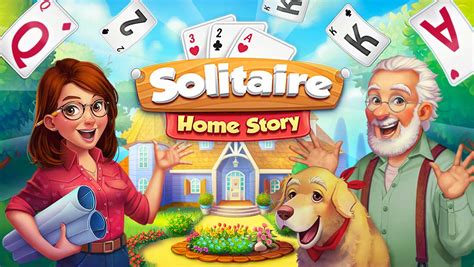
Beyond platform tools, developers can implement their own analytical approaches to spot and respond to review bombing:
- Track Review Velocity: Monitor the rate at which reviews are submitted. A sudden, sharp spike in negative reviews, especially outside of a major patch release, can indicate a bombing event.
- Analyze Reviewer Demographics: Look for patterns in reviewer accounts – e.g., new accounts with little play history, accounts reviewing only your game negatively, or accounts with suspicious activity patterns.
- Content Analysis: Use tools to quickly identify recurring keywords or phrases in negative reviews that might signal a coordinated effort rather than organic, varied feedback.
- Correlation with External Events: Cross-reference review spikes with external events like controversial news articles, social media trends, or competitor releases that might trigger collective action.
Fostering a Resilient and Positive Community
Ultimately, the strongest defense against review bombing is a dedicated and positive community. Invest in your players, and they will invest in your game’s success.
- Reward Loyalty: Acknowledge and appreciate your most engaged and positive players.
- Empower Advocates: Provide tools and platforms for your community to share positive experiences and counter misinformation.
- Build a Safe Space: Ensure your official community channels (forums, Discord, etc.) are well-moderated and free from harassment, making players feel safe and valued.
- Long-Term Engagement: Continue to release quality content, listen to feedback, and evolve your game. A continually improving game gives players less reason to bomb and more reason to defend.

Conclusion
Review bombing is a persistent threat in the gaming industry, but it’s not insurmountable. By combining proactive development practices, leveraging platform safeguards, engaging in diligent community management, and employing data-driven analysis, developers can significantly mitigate its impact. Building a strong, transparent relationship with your player base is the most effective shield against unfair attacks, ensuring that your game’s user scores accurately reflect its true quality and community sentiment.