What actionable advice helps indie devs craft pitches that stand out for our Indie Spotlight?
Beyond the Buzz: Crafting an Unforgettable Indie Spotlight Pitch
In the vast and vibrant universe of independent game development, merely having a great game isn’t always enough to get noticed. Standing out for an ‘Indie Spotlight’ feature requires a pitch that not only communicates your game’s essence but also captivates and persuades. So, how can indie developers cut through the noise and ensure their creation shines brightly?
1. The Irresistible Hook: What Makes Your Game Truly Unique?
Your pitch needs a razor-sharp hook. This isn’t just about describing your game; it’s about articulating its unique selling proposition (USP) in a concise, compelling way. What sets your game apart from every other title in its genre? Is it an innovative mechanic, a never-before-seen art style, a deeply emotional narrative, or a revolutionary approach to multiplayer? Boil it down to one or two sentences that immediately grab attention and make the reader want to know more.
Avoid generic descriptions. Instead of “a platformer with puzzles,” try “a physics-bending platformer where you manipulate gravity to solve mind-bending environmental puzzles, all while exploring a vibrant, hand-painted alien world.” Focus on the ‘why’ – why your game exists, and why it’s special.

2. Show, Don’t Just Tell: Visuals and Gameplay are King
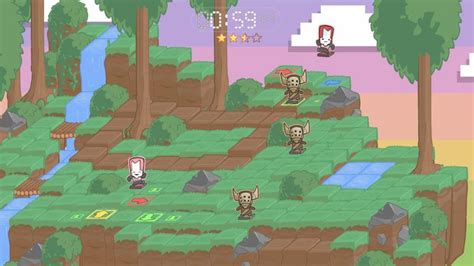
Words are powerful, but nothing sells a game like seeing it in action. A strong pitch leverages compelling visuals and gameplay footage. Include short, high-quality GIFs or a concise gameplay trailer (under 90 seconds is ideal) that immediately communicates the core gameplay loop, aesthetic, and mood.
- Screenshots: Select 3-5 of your most visually striking and representative screenshots. They should highlight key moments, art style, and unique features.
- Gameplay Footage: Showcase actual gameplay, not just cinematics. Focus on moments that are exciting, demonstrate core mechanics, or evoke the desired emotion. Ensure the footage is professionally edited, with good audio and no UI clutter unless it’s integral.
Visuals speak volumes and are often the first thing a curator will review. Make sure they are polished and reflect the best your game has to offer.

3. Know Your Audience: Tailor Your Message to the Spotlight
An “Indie Spotlight” isn’t a generic platform; it likely has its own editorial voice, preferred genres, or a specific audience it caters to. Research past ‘Indie Spotlight’ features. What kind of games have they highlighted? What aspects did they emphasize? Tailor your pitch to align with what you perceive the curators are looking for.
Reference specific aspects of the ‘Indie Spotlight’ or its platform if appropriate. Show that you’ve done your homework and genuinely believe your game is a perfect fit for their audience.

4. The Human Element: Your Story and Passion
Indie games often carry a personal touch, and the story behind the game or the developer can be incredibly compelling. Don’t be afraid to share a brief, authentic narrative:
- What inspired you to make this game?
- What unique challenges did you overcome?
- What personal passion drove its creation?
Connecting on a human level can make your pitch memorable. Curators are often passionate about games too, and they appreciate the dedication and love that goes into independent development. Just keep it concise and relevant; your life story isn’t needed, but a compelling anecdote or a clear statement of your vision can add significant weight.

5. Polish and Professionalism: Beyond the Idea
Even the most brilliant game idea can be undermined by a sloppy pitch. Ensure your pitch is free of typos, grammatical errors, and awkward phrasing. Present it clearly and logically. This demonstrates attention to detail and professionalism, suggesting your game will likely have the same level of polish.
Include all necessary information: your game’s title, genre, platforms, expected release date (or current status), and easy-to-find links to your press kit, store page, or a playable demo (if applicable). A well-structured pitch is a respectful pitch, indicating you value the curator’s time and are serious about your project.

Conclusion
Crafting a standout pitch for an ‘Indie Spotlight’ is an art form that combines clear communication, compelling visuals, strategic targeting, and a touch of personal passion. By focusing on what makes your game unique, demonstrating its appeal through powerful media, understanding your audience, sharing your journey, and maintaining professionalism, you’ll significantly increase your chances of not just being seen, but truly being celebrated.