What key strategies help amateur esports teams climb ranks and attract scouts?

The Path to Pro: Elevating Amateur Esports Teams
For countless aspiring gamers, the dream of turning professional in esports is a powerful motivator. However, the journey from amateur ranks to the professional stage is fraught with challenges. Climbing competitive ladders and attracting the attention of talent scouts requires more than just raw mechanical skill; it demands a strategic, disciplined, and unified approach. This article delves into the core strategies that can transform an amateur esports team into a formidable contender.
Mastering In-Game Dynamics and Strategic Play
At the heart of any successful esports team is superior in-game performance. This isn’t solely about individual skill, but how those skills converge within a cohesive strategy. Teams must meticulously study the game’s meta, understand character/hero matchups, and develop adaptive strategies for various scenarios. This involves dedicated practice sessions focused on executing specific plays, understanding power spikes, and mastering objective control. Consistent performance under pressure is key.
Effective communication is the lifeblood of competitive play. Teams must cultivate clear, concise, and timely shot-calling. This means understanding when to call for a push, a retreat, or a specific focus fire target. Regular VOD (Video on Demand) reviews are indispensable for identifying individual and team mistakes, reinforcing good habits, and refining strategies. Learning from losses is just as important as celebrating victories.
Developing Team Synergy and Role Specialization
Every player on an esports team has a role, and excelling in that role while understanding how it contributes to the larger team objective is crucial. Whether it’s a dedicated support, a damage dealer, or a front-line tank, players must commit to their specializations and understand their win conditions. Synergy isn’t just about playing together; it’s about anticipating teammates’ moves, covering their weaknesses, and leveraging their strengths. This often develops through countless hours of play and deep trust among teammates.
Professionalism in Team Management and Culture
Beyond the game, the professionalism of an amateur team significantly impacts its potential. Scouts don’t just look for skilled players; they look for reliable, coachable individuals who can thrive in a professional environment. This means establishing clear leadership, setting expectations for commitment, and fostering a positive team culture.
Conflict resolution is an inevitable part of team dynamics. How a team handles disagreements, critiques, and losses speaks volumes about its maturity. A strong leader or designated team manager should facilitate open discussion, ensure respectful dialogue, and guide the team towards constructive solutions rather than letting issues fester. Discipline, punctuality for practices, and adherence to team rules are non-negotiable.
Commitment and Consistent Practice Schedule
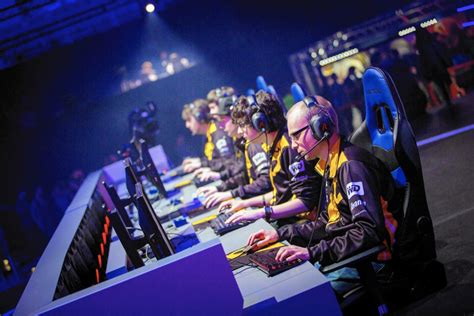
Amateur teams aspiring to go pro must treat their esports pursuit with the seriousness of a part-time job, if not a full-time one. This entails a consistent practice schedule, individual skill development outside of team practice, and a commitment to personal well-being (sleep, diet, exercise) which directly impacts in-game performance. Teams that show unwavering dedication are more likely to achieve sustained improvement.
Building Presence and Attracting Scout Attention
Even the best teams won’t get noticed if they operate in obscurity. Proactive efforts to build an online presence and participate in the broader esports community are vital for attracting scouts. This is where teams can showcase their talent, dedication, and personality.
Leveraging Online Platforms and Content Creation
Maintaining an active and professional presence on social media platforms (Twitter, Discord, Twitch, YouTube) is crucial. Teams should regularly post updates, highlight their best plays, and engage with fans and the wider community. Streaming practice sessions, creating highlight reels, or producing educational content can increase visibility and demonstrate game knowledge. This provides scouts with readily available footage and insights into the team’s dynamics.

Participating in Tournaments and Leagues
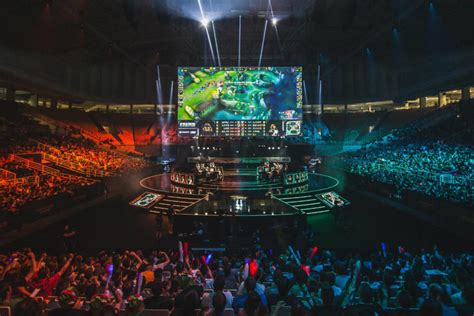
Regularly competing in online tournaments, local LAN events, and community leagues is paramount. This not only provides valuable competitive experience against diverse opponents but also puts the team on the radar of organizers and, by extension, scouts. Performing well consistently in these events builds a reputable track record that scouts can easily verify. Documenting tournament results and standout performances can serve as a compelling resume.
Networking and Community Engagement
Active participation in esports communities, whether through online forums, Discord servers, or local events, can open doors. Networking with other players, coaches, content creators, and even existing professional players can lead to valuable connections and exposure. Demonstrating sportsmanship and a positive attitude, even in losses, reinforces a professional image.

Conclusion: The Holistic Approach to Esports Success
Climbing ranks and attracting scouts for an amateur esports team is a comprehensive endeavor that goes far beyond just winning games. It requires a commitment to continuous in-game improvement through strategic play and refined communication, coupled with robust team management that fosters professionalism and a positive culture. Crucially, teams must actively build their presence through online content, consistent tournament participation, and community engagement. By adopting this holistic strategy, amateur teams can significantly increase their chances of turning their professional esports aspirations into reality.