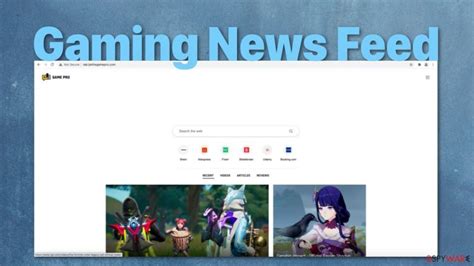
How to filter gaming news for *my* favorite genres & avoid hype?

In today’s fast-paced gaming world, staying informed often feels like trying to drink from a firehose. Between massive marketing campaigns, influencer hype, and an endless stream of announcements, finding news relevant to your specific tastes can be a Herculean task. This article will equip you with practical strategies to cut through the noise, focus on the genres you genuinely love, and sidestep the trap of overhyped titles.
The Deluge of Gaming Information
The gaming industry is a multi-billion dollar machine, constantly churning out new releases, updates, and pre-release buzz. Major publishers invest heavily in marketing, often making it difficult to distinguish genuine innovation from clever PR. Gamers are bombarded with information from countless sources: major gaming websites, social media feeds, YouTube channels, and dedicated news outlets. Without a strategic approach, your feed quickly becomes an overwhelming mix of games you’ll never play and trends you don’t care about.

Define Your Gaming Profile
Before you can effectively filter, you need to understand what you’re looking for. Take a moment to define your personal gaming profile:
- Favorite Genres: Are you a die-hard RPG fan, a competitive FPS player, an indie puzzle enthusiast, or a strategy grandmaster? Be specific.
- Preferred Platforms: PC, PlayStation, Xbox, Nintendo Switch, mobile? This narrows down relevant news significantly.
- Development Styles: Do you prefer AAA blockbusters, innovative indies, or specific types of art styles (e.g., pixel art, cel-shaded)?
- Content Preferences: Do you want news about release dates, deep dives into game mechanics, development diaries, or competitive esports updates?
Understanding these preferences is the cornerstone of building a personalized news filter.
Tools & Strategies for Smart Filtering
Once you know what you’re seeking, you can leverage various tools and strategies to tailor your news intake.
Utilize RSS Feeds & Custom Aggregators
RSS (Really Simple Syndication) allows you to subscribe to content updates from websites directly. Many gaming sites offer RSS feeds for specific categories or tags. Services like Feedly or Inoreader let you compile these feeds into a single, organized dashboard. This way, you only see updates from the sources and topics you’ve chosen, bypassing algorithm-driven social feeds.
Dive into Niche Communities
Forums and subreddits dedicated to specific genres (e.g., r/JRPG, r/indiemyth) or even individual games are goldmines for relevant, community-curated news. Members often share insights, early impressions, and news links that are highly pertinent to fellow fans, often with less corporate spin.

Curate Your Social Media & YouTube Feeds
Instead of following every major gaming account, seek out content creators, journalists, and smaller news outlets that consistently cover your genres or offer insightful, unbiased analysis. Unfollow or mute accounts that primarily focus on games outside your interest or contribute to excessive hype. Use YouTube’s subscription feature strategically, and don’t hesitate to “hide” recommended channels that don’t align with your preferences.
Browser Extensions for Content Control
Extensions like uBlock Origin (beyond ad blocking) can sometimes be configured to hide specific elements on websites, and dedicated news filters or summarizers are emerging. While not perfect, they can help prune highly visible, irrelevant content from your browsing experience.
How to Spot and Avoid Hype
Hype can be exhilarating, but it often leads to disappointment. Learning to identify its signs is crucial for making informed decisions.
Look Beyond the Cinematic Trailers
Pre-rendered trailers are marketing tools, not gameplay showcases. Always prioritize actual gameplay footage, developer interviews discussing mechanics, and early access streams from trusted sources over flashy cinematics.
Consult Multiple, Diverse Sources
Don’t rely on a single outlet for your information. Cross-reference news and impressions from several reputable gaming journalists and smaller, independent critics. Pay attention to early access player feedback, but be wary of review bombing or overly enthusiastic early reviews.

Be Skeptical of Promises and Early Access
Many games promise the moon and deliver very little. Be cautious of vague statements about future content, revolutionary features, or early access titles that seem too good to be true. Research the developer’s track record – do they have a history of successful launches or troubled ones?
The “Wait and See” Approach
Sometimes the best filter is time. Instead of pre-ordering or jumping on day-one purchases, wait for post-launch reviews, player impressions, and actual gameplay streams. Patches and updates often address initial issues, and a more accurate picture of the game’s quality will emerge.
Building Your Personalized News Hub
The goal is to create a dynamic system that consistently feeds you relevant information while minimizing distractions.
Combine Your Strategies
A powerful strategy involves combining these methods. For instance, use an RSS reader for official news, specific subreddits for community discussion, and a select few YouTube channels for in-depth analysis. Regularly review and adjust your sources.
Regularly Refine Your Sources
Your gaming tastes might evolve, and so should your news sources. Periodically review your subscriptions, followed accounts, and RSS feeds. Unsubscribe from channels that no longer serve your interests and discover new ones that do. The effort you put into refining your hub will pay off in a more enjoyable and informed gaming experience.

Conclusion
Navigating the vast sea of gaming news doesn’t have to be overwhelming. By consciously defining your preferences, utilizing smart filtering tools, and developing a critical eye for hype, you can transform your news feed into a curated stream of genuinely relevant and exciting information. Take control of your gaming news, and spend more time discovering games you’ll truly love, rather than sifting through what you won’t.