





How to structure game guides for quick answers without sacrificing detail for new players?
The Delicate Balance: Speed vs. Depth in Game Guides
Creating an effective game guide is an art form, especially when catering to both time-pressed veterans seeking quick facts and new players hungry for comprehensive understanding. The core challenge lies in structuring information so that a player can instantly find an answer to a specific query without feeling overwhelmed, yet still have access to all the granular details if they choose to delve deeper. This guide explores strategies to achieve this delicate balance, ensuring your game guides are both efficient and exhaustive.
Establishing a Clear Hierarchical Structure and Navigation
The first step to a user-friendly guide is a robust organizational hierarchy. Think of your guide as a tree: a clear trunk (main topics) branching into smaller limbs (sub-topics) and leaves (specific details). A prominent, interactive Table of Contents (TOC) is non-negotiable. It should appear at the very top, listing all major sections and sub-sections with anchor links, allowing players to jump directly to their desired content.
Within the body of the guide, consistent use of heading tags (<h2>, <h3>, <h4>) is crucial. These not only break up text visually but also provide a scannable outline for quick navigation. Use bold text and bulleted/numbered lists for key takeaways, requirements, or steps, making vital information pop out at a glance.
Layered Information: Summaries Before Deep Dives
To provide quick answers, adopt a layered information approach. Start each major section with a concise summary or a “Quick Reference” box. This should contain the absolute essential information—e.g., for a boss guide, the boss’s weaknesses, key mechanics, and ideal team composition. New players can still benefit from this initial overview, while veterans get their answer instantly.
Following the summary, progressively introduce more detailed explanations. For a boss guide, this would include detailed phase breakdowns, specific attack patterns, optimal gear suggestions, and advanced strategies. This allows players to stop reading once they’ve found their answer or continue for a deeper understanding without having to sift through extensive text first.
Leveraging Visuals and Interactive Elements
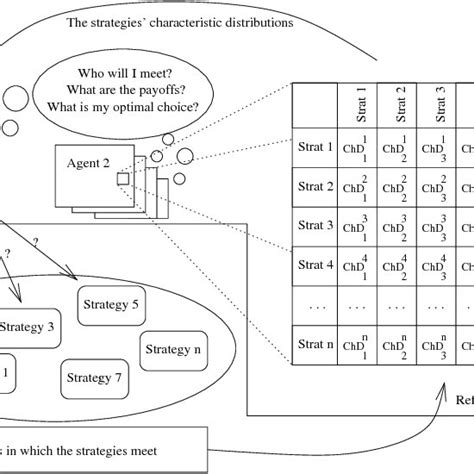
Text alone can be dense. Incorporating visual aids significantly enhances a guide’s readability and comprehension. Screenshots highlighting specific locations, item icons, map overlays with objective markers, or even short embedded video clips demonstrating complex mechanics can convey information far more efficiently than paragraphs of text. Ensure images are annotated clearly and videos are concise and to the point.
Consider interactive elements where appropriate, such as sortable tables for item lists or skill trees, or collapsible sections for advanced tips. These features allow players to control the level of detail they engage with, further streamlining the information retrieval process.
Optimizing for Search and Accessibility
Beyond internal navigation, ensure your guide is externally searchable. Use clear, descriptive titles for sections and paragraphs that reflect common player queries. Integrate relevant keywords naturally throughout the text. Implementing a search function within your guide, if hosted on a dedicated platform, is also highly beneficial.
Accessibility considerations are also vital. Use clear, legible fonts, sufficient contrast, and alt text for all images. A well-structured HTML document inherently aids screen readers, making your guide accessible to a wider audience, including those with visual impairments.

Practical Application: Key Guide Components
Let’s consider specific guide types:
- Quest Guides: Start with a quick list of objectives, rewards, and critical prerequisites. Follow with step-by-step instructions, using bold text for key actions and screenshots for tricky locations.
- Character Build Guides: Begin with a summary of the build’s strengths, weaknesses, and core concept. Then detail stat distribution, skill trees, gear, and rotational strategies in separate, clearly labeled sections.
- Item/Gear Databases: Implement sortable tables with key stats, acquisition methods, and usage recommendations. Each item can link to a dedicated page or a collapsible section for more in-depth lore or analysis.
The principle remains the same: immediate answers at the top, comprehensive details below, all supported by clear navigation and visuals.
Conclusion: Empowering Players with Knowledge
Structuring game guides effectively is about empowering players. By prioritizing clear navigation, layered information, visual aids, and search optimization, you can create resources that are invaluable to new players embarking on their journey and efficient for experienced players seeking specific information. A well-designed guide doesn’t just provide answers; it teaches, assists, and ultimately enhances the gaming experience for everyone.



