





How to structure complex game guides for maximum readability & quick player solutions?
Complex video games often come with intricate mechanics, sprawling worlds, and countless objectives, making comprehensive guides essential for players. However, a poorly structured guide can be more confusing than helpful. The key to an effective guide lies in its architecture – how information is organized to be easily digestible and quickly searchable, allowing players to find solutions without frustration.
The Core Principles of Effective Guide Structure
Before diving into specific techniques, it’s vital to understand the foundational principles that underpin a truly useful game guide. These principles ensure that players can navigate the guide intuitively, regardless of its size or the complexity of the game.
Hierarchical Organization
Think of your guide as a tree with branches. The main overarching topics (e.g., ‘Main Story Walkthrough’, ‘Side Quests’, ‘Crafting’) form the primary branches, while specific missions, items, or strategies are smaller sub-branches. Use headings (H2, H3, H4) to clearly delineate these levels of information. A logical flow from general to specific information helps players understand the broader context before delving into details.
Clear Navigation
Every complex guide needs a robust navigation system. A table of contents (TOC) at the beginning, featuring anchor links to main sections, is indispensable. For longer sections, consider mini-TOCs. Consistent use of breadcrumbs or ‘related articles’ links can also guide players through interconnected content.
Consistency is Key
From formatting and terminology to the order in which information is presented, consistency builds trust and familiarity. If you describe an item’s stats in a particular order in one section, maintain that order throughout the guide. Use the same terms for in-game elements as the game itself to avoid confusion.
Implementing Readability & Scannability
Players often come to guides looking for a specific piece of information. They don’t want to read a novel; they want a quick answer. Designing for scannability ensures they can pinpoint what they need rapidly.
Breaking Down Information
- Short Paragraphs: Avoid dense blocks of text. Break information into smaller, digestible paragraphs, ideally no more than 3-5 sentences each.
- Lists: Use bullet points and numbered lists for steps, requirements, item lists, pros/cons, or any series of related points. This makes information incredibly easy to parse quickly.
- Bold Text: Highlight key terms, quest objectives, character names, or critical instructions using bold formatting.
Visual Cues
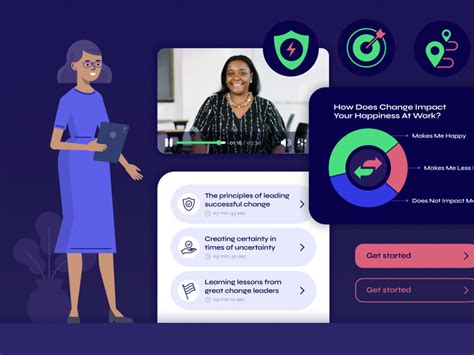
Visual elements break up text and provide immediate context. Screenshots, maps, and diagrams are invaluable for showing players exactly what to do or where to go. Ensure images are relevant, clearly annotated, and strategically placed near the text they illustrate.
Concise Language
Get straight to the point. Avoid jargon where possible, or explain it clearly if necessary. Use active voice and strong verbs. Eliminate superfluous words and sentences that don’t add value. Think about the player’s immediate need.
Ensuring Quick Player Solutions
The ultimate goal of a game guide is to help players overcome challenges swiftly. Structure plays a critical role in facilitating this.
Indexing and Searchability
For large guides, a comprehensive index of terms, items, characters, and locations can be immensely helpful. On web-based guides, a robust search function that prioritizes keywords from headings and bolded text is non-negotiable. Ensure your content is optimized for search engines (SEO) so players can find your guide externally.
Problem-Solution Format
When addressing common roadblocks, consider framing sections or subsections as questions and answers. For example, an H3 like ‘How to Defeat the Fire Giant’ followed by a direct solution. This format directly addresses the player’s immediate need.
FAQs and Troubleshooting
Dedicated sections for Frequently Asked Questions or common troubleshooting steps can pre-empt many player queries. Organize these by category (e.g., ‘Combat FAQs’, ‘Exploration Issues’) for easy access.
Tools and Best Practices for Implementation
Adopting the right tools and practices simplifies the creation and maintenance of a well-structured guide.
Using Headings and Subheadings Effectively
Beyond hierarchy, headings serve as signposts. Each heading should accurately describe the content below it. Use H2s for major topics, H3s for sub-topics, and H4s for specific details within those. This creates a logical flow and helps search algorithms.
Table of Contents (TOC) Generation
Many content management systems (CMS) can automatically generate a TOC based on your headings. If not, manual creation with anchor links is a worthy investment. Place the TOC prominently at the top of long guides or within major sections.
Internal Linking
Whenever a section references information covered elsewhere in the guide, provide a direct link to that section. This creates a web of interconnected knowledge, allowing players to seamlessly jump between related topics without having to manually search.
Conclusion
Structuring a complex game guide isn’t just about organizing text; it’s about crafting a seamless user experience that respects the player’s time and effort. By prioritizing hierarchical organization, clear navigation, readability, and a problem-solution mindset, you can transform an overwhelming amount of information into an intuitive, quick-reference tool. A well-structured guide empowers players to conquer challenges, enhance their enjoyment, and ultimately, get the most out of their gaming experience.



