Practical tips for Indie Spotlight to boost developer visibility & reader engagement?

Unlocking Potential: Boosting Indie Visibility and Engagement
Indie Spotlights serve as invaluable platforms for showcasing the incredible talent and innovative creations emerging from the independent game development scene. However, merely publishing a spotlight isn’t enough; to truly make an impact, these features must be crafted to maximize developer visibility and foster genuine reader engagement. This guide offers practical tips to transform your Indie Spotlights into powerful growth engines for developers and captivating experiences for your audience.

1. Craft Compelling Narratives, Not Just Press Releases
The most effective Indie Spotlights tell a story. Move beyond simply listing game features and delve into the human element behind the creation. Interview the developer about their journey, the challenges they faced, their inspirations, and the unique vision driving their project. Readers connect with authenticity and passion. Highlight the “why” behind the game, not just the “what.”
- Personal Touch: Include anecdotes, developer quotes, and insights into their creative process.
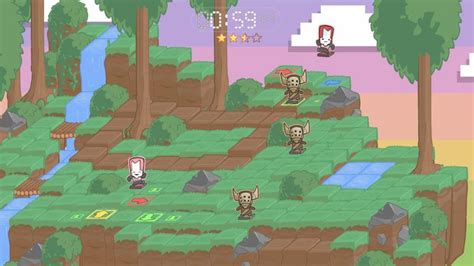
- Visual Storytelling: Integrate high-quality screenshots, concept art, gifs, and short gameplay videos (if the platform allows) to visually convey the game’s atmosphere and mechanics.
- Focus on Uniqueness: What makes this game stand out? Emphasize its innovative mechanics, compelling narrative, or distinctive art style.
2. Optimize for Discoverability and SEO
Even the best content needs to be found. Implement basic Search Engine Optimization (SEO) practices to ensure your Indie Spotlight reaches a wider audience. Use relevant keywords naturally within the title, headings, and body text. Think about what potential players might search for when looking for new indie games.
Beyond keywords, ensure your article has a clear structure with proper headings (<h2>, <h3>) and meta descriptions that entice clicks from search results and social media shares. Consider including a clear call to action early on, such as “Wishlist now on Steam!”
3. Leverage Multimedia and Interactive Elements
A wall of text, no matter how well-written, can deter readers. Break up your content with rich multimedia. Embed trailers, developer diaries, or even links to playable demos. Images and GIFs showing gameplay moments are crucial. If possible, consider adding interactive elements like polls (“Which character are you most excited to play?”) or quizzes to increase time on page and engagement.
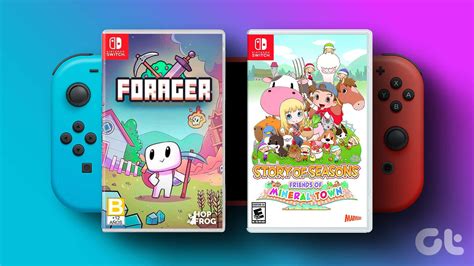
High-quality visual assets are non-negotiable. Work with developers to get the best possible screenshots, key art, and short video clips that capture the essence of their game. These visuals are often the first impression a potential player gets.
4. Engage with the Community and Encourage Interaction
An Indie Spotlight should spark conversation. Actively promote the article across various social media channels, gaming forums, and Discord servers. Encourage readers to leave comments, ask questions, and share their thoughts. If possible, invite the featured developer to participate in the comments section to answer questions directly, creating a more personal connection with potential players.
- Clear Calls to Action: End your article with specific prompts, such as “What do you think of [Game Name]? Let us know in the comments!” or “Don’t forget to wishlist!”
- Cross-Promotion: Share the spotlight article on your own social channels and encourage the featured developer to do the same. This amplifies reach significantly.
- Community Integration: Feature reader comments or questions in subsequent updates or related articles to show you value their input.

5. Follow Up and Sustain Momentum
An Indie Spotlight shouldn’t be a one-time event. Keep tabs on the featured game and developer. When the game launches, gets a major update, or receives accolades, consider a follow-up piece or a quick social media shout-out. This not only provides fresh content but also reinforces your commitment to supporting indie creators and keeps the featured game top-of-mind for your audience.
Long-term support builds goodwill with developers and establishes your platform as a reliable advocate for the indie scene. This sustained engagement can lead to more exclusive content opportunities and a stronger community around your spotlight features.

Conclusion: A Holistic Approach to Indie Spotlights
Boosting developer visibility and reader engagement through Indie Spotlights requires a multi-faceted approach. By focusing on compelling storytelling, strategic promotion, rich multimedia, active community engagement, and sustained follow-up, you can transform a simple feature into a powerful marketing tool for indie developers and a beloved content series for your audience. Remember, the goal is to not just highlight a game, but to celebrate the creators behind it and connect them with enthusiastic players.