How to effectively manage user-created mod submissions & maintain quality control?
User-created modifications (mods) are a cornerstone of many vibrant gaming communities, offering endless replayability, innovative features, and a direct connection between players and the game world. However, the sheer volume and diverse nature of these submissions can quickly become overwhelming for platform administrators. Ensuring a steady stream of high-quality, safe, and compatible content requires a strategic and well-executed management plan. This article explores the essential strategies for effectively handling user-created mod submissions while rigorously maintaining quality control.
Establishing a Clear Submission Process
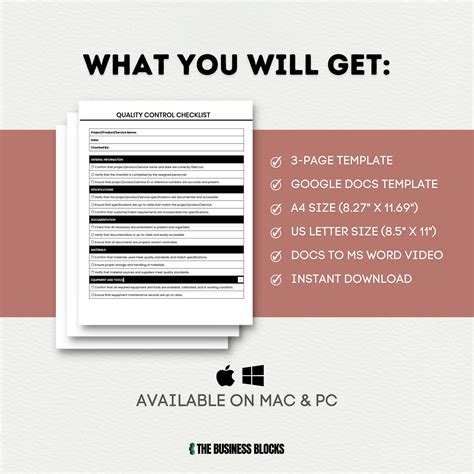
The foundation of effective mod management is a transparent and well-defined submission process. This begins with providing comprehensive guidelines that cover everything from technical specifications (e.g., file formats, size limits, required dependencies) to content policies (e.g., prohibited themes, intellectual property rules). Offering templates or checklists can streamline the submission for creators and ensure they provide all necessary information, such as detailed descriptions, installation instructions, and screenshots.
Implementing a Robust Moderation System
Once submissions start flowing in, a robust moderation system becomes crucial. This typically involves a multi-layered approach. Initial automated checks can flag obvious issues like malware, incorrect file types, or excessive file sizes. Following this, a team of human moderators is essential for reviewing content against qualitative standards and subjective policy violations. Empowering the community with reporting tools can also augment your moderation efforts, though these reports should always be reviewed by staff to prevent abuse.
Training moderators thoroughly on all guidelines and providing them with efficient tools to review, approve, reject, or request revisions is key to consistency and speed. A clear communication channel with mod creators regarding the status and reasoning behind moderation decisions fosters trust and encourages compliance.
Defining and Enforcing Quality Standards
Quality control goes beyond just safety and policy adherence; it encompasses performance, stability, and overall user experience. Establish clear quality benchmarks: Does the mod function as advertised? Is it stable and free of major bugs? Is it compatible with the base game and potentially other popular mods? Does it offer a meaningful contribution to the game?
These standards can be enforced through a combination of manual testing by moderators, community beta testing programs, and post-release monitoring of user feedback. Mods that consistently fail to meet these standards may require iterative revisions from the creator or, in extreme cases, removal from the platform.
Leveraging Community Engagement and Feedback
Your community is your most valuable asset in managing mods. Encourage active participation in the quality control process through various mechanisms. Implementing rating and review systems allows users to share their experiences and highlight both excellent and problematic mods. Dedicated forums or discord channels can serve as hubs for mod discussion, bug reporting, and direct feedback to creators.

Consider implementing a “curated” or “staff pick” section to highlight exceptionally high-quality mods, providing positive reinforcement for creators and guiding users towards trusted content. This also helps to foster a culture of quality within the modding community itself.
Utilizing Tools and Automation for Efficiency
Managing a large volume of submissions manually is unsustainable. Invest in or develop tools that automate aspects of the process. This can include:
- Submission Platforms: Dedicated platforms that guide creators through the submission process, gather required metadata, and provide a clear status for their submissions.
- Moderation Dashboards: Centralized interfaces for moderators to review, approve, reject, and communicate with creators, often with integrated checklists and templates.
- Automated Scans: Tools for virus scanning, basic code analysis for common vulnerabilities, and compatibility checks against game versions.
- Analytics & Reporting: Systems to track submission rates, approval/rejection reasons, download numbers, and user ratings to identify trends and areas for improvement.
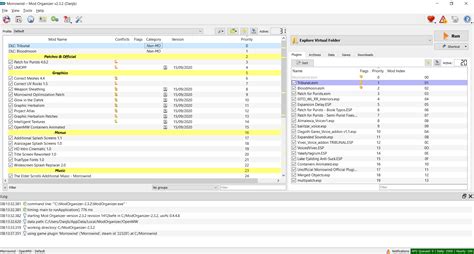
Automation frees up human moderators to focus on the more nuanced and qualitative aspects of mod review, making the overall process more efficient and scalable.
Conclusion
Effectively managing user-created mod submissions and maintaining quality control is an ongoing endeavor that requires a blend of clear policy, robust systems, active community engagement, and smart technological solutions. By establishing a clear pipeline from submission to publication, empowering both moderators and the community, and continuously refining your processes, you can cultivate a thriving mod ecosystem that enhances the game experience for everyone while upholding high standards of quality and safety.