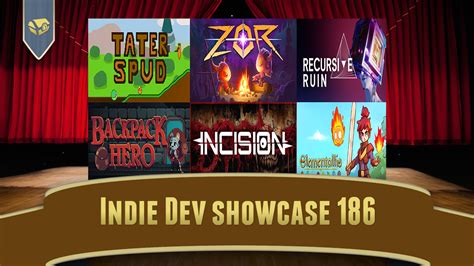
How can Indie Spotlight content effectively guide players to their next hidden indie gem?

Navigating the Crowded Cosmos of Indie Games
In an era brimming with digital releases, the quest for the next captivating indie game can feel like searching for a specific star in an infinite galaxy. Players yearn for unique experiences, innovative mechanics, and heartfelt narratives, but often find themselves overwhelmed by choice. This is where Indie Spotlight content becomes indispensable, acting as a crucial compass guiding enthusiasts to their hidden gems.
But what makes an Indie Spotlight truly effective? It’s more than just highlighting a game; it’s about crafting a compelling narrative that resonates with a player’s desires, showcases a game’s soul, and fosters a connection that transcends mere marketing.
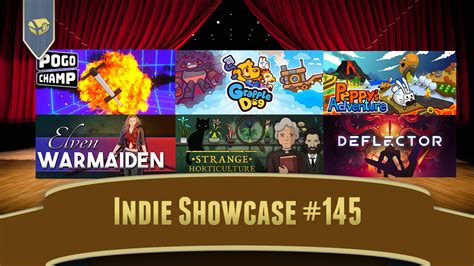
Authenticity and Deep Dives: Beyond the Trailer
The most impactful Indie Spotlight content dives beneath the surface. Instead of just reiterating press kit bullet points, it explores the developers’ journey, their inspirations, and the unique challenges they overcame. Authentic storytelling—through interviews, behind-the-scenes glimpses, or a writer’s passionate exploration of a game’s themes—builds a bridge of empathy between creator and player. This human element transforms a game from a product into a labor of love, making it inherently more appealing.
Furthermore, effective spotlights offer deep dives into specific mechanics, art styles, or narrative choices that set a game apart. This goes beyond a basic gameplay overview, dissecting what makes the experience truly special and who it might appeal to most. For example, rather than just saying “it’s a platformer,” an effective spotlight might explain how a particular platformer subverts genre expectations or introduces a novel control scheme.

Curated Pathways: Thematic Groupings and Personalized Recommendations
The sheer volume of indie titles necessitates intelligent curation. Rather than a flat list, effective Indie Spotlights organize games thematically, by mood, by unique mechanic, or even by emotional impact. “Games to play when you need a cozy escape,” “Mind-bending puzzles for strategy lovers,” or “Narrative-driven adventures that will make you cry” are far more helpful than generic categories. These curated pathways cater to specific player moods and preferences, reducing decision fatigue and increasing the likelihood of a successful match.
Personalized recommendations, when possible, take this a step further. Utilizing player data (e.g., games they’ve enjoyed, genres they frequent) to suggest new indie titles based on their unique profile can be incredibly powerful. However, even without complex algorithms, a human curator’s understanding of different player types can guide the selection process effectively.
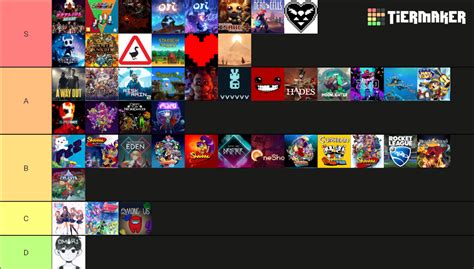
Visual Storytelling and Gameplay Highlights
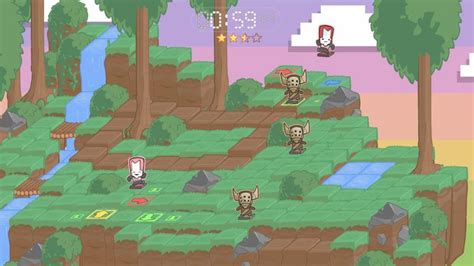
A picture is worth a thousand words, and in gaming, a well-chosen screenshot or GIF can speak volumes. Effective Indie Spotlights prioritize high-quality, representative visuals that capture the game’s aesthetic and mood. Short, impactful gameplay clips or GIFs can demonstrate unique mechanics, combat flow, or environmental details far better than text alone. These visual snippets should be carefully selected to highlight the game’s unique selling points and entice players to learn more, offering a taste of the experience without spoilers.

Fostering Community and Direct Engagement
Indie games thrive on community. Effective spotlight content encourages discussion, reviews, and direct engagement with developers. Featuring developer AMAs (Ask Me Anything), Q&A sessions, or even linking to their social media channels creates a direct line of communication. Player reviews, especially those that articulate why a game resonated with them, add another layer of trustworthiness and insight. A vibrant community around an Indie Spotlight platform can become a self-sustaining ecosystem of discovery, where players share their own finds and advocate for their favorite overlooked titles.
Ultimately, the goal of an Indie Spotlight isn’t just to sell a game, but to build a connection between passionate creators and enthusiastic players. By focusing on authenticity, deep dives, intelligent curation, compelling visuals, and community engagement, these platforms can truly guide players to their next beloved hidden gem, enriching both the players’ libraries and the indie game ecosystem as a whole.