How can gaming sites efficiently update guides for live-service games post-launch?

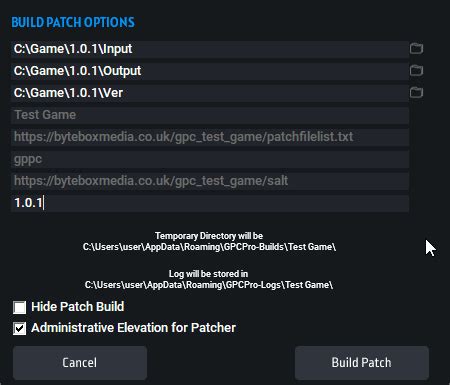
Live-service games, characterized by their continuous evolution through patches, expansions, and balance adjustments, present a unique challenge for gaming sites dedicated to providing comprehensive guides and walkthroughs. Post-launch, the static guide model quickly becomes obsolete, leaving players frustrated and sites losing credibility. The key lies in developing robust, agile strategies for efficient guide updates.
The Dynamic Landscape of Live-Service Games
Unlike traditional single-player titles with finite content, live-service games like Destiny 2, Apex Legends, or Final Fantasy XIV are in a constant state of flux. New characters, weapons, maps, strategies, and balance changes can fundamentally alter gameplay dynamics overnight. A guide that was perfectly accurate on launch day might be misleading or completely wrong a month later.
Outdated information not only diminishes the user experience but also erodes trust in the content provider. For a gaming site, this translates to reduced traffic, lower engagement, and a lost competitive edge. Therefore, an efficient update mechanism isn’t just a nicety; it’s a critical operational imperative.
Key Strategies for Agile Guide Updates
To combat the rapid pace of change, gaming sites need to adopt proactive and structured approaches to guide maintenance. One of the most effective methods is a modular guide architecture. Instead of monolithic guides, content should be broken down into smaller, self-contained sections (e.g., character builds, boss strategies, item databases). This allows for quick, targeted edits without overhauling an entire guide.
Another crucial strategy involves establishing dedicated update teams or roles. These individuals are specifically tasked with monitoring patch notes, developer announcements, and community discussions. Their sole focus is to identify relevant changes and swiftly implement updates, ensuring minimal delay between a game update and a guide update.
Implementing a clear version control system for guides also aids efficiency. This allows editors to track changes, revert to previous versions if necessary, and clearly communicate when a guide was last updated, enhancing transparency for users.
Leveraging Technology and Automation
Technology plays a pivotal role in streamlining the update process. A robust Content Management System (CMS) designed with gaming content in mind is essential. It should facilitate easy editing, rapid publishing, and potentially integrate with internal communication tools to ensure team members are always aware of ongoing updates.
Where possible, sites should explore API integrations with game developers or third-party data providers. For instance, an API could automatically update weapon stats or item descriptions, reducing manual labor and the risk of human error. Even without direct APIs, automated scripts can be developed to scrape publicly available patch notes or data sites for keywords indicating changes.
Internal communication platforms, like Slack or Discord, can also be leveraged for real-time collaboration among update teams, ensuring swift coordination and problem-solving during critical update periods.
Engaging the Community as a Resource
The player community is an invaluable, often underutilized, resource for guide accuracy. Enthusiastic players are often the first to discover subtle changes, new strategies, or hidden mechanics. Gaming sites can harness this by creating dedicated feedback channels—such as forums, Discord channels, or in-guide feedback forms—where users can report inaccuracies or suggest improvements.
While crowdsourcing content requires careful moderation to maintain quality and accuracy, it can significantly lighten the load on internal teams and provide diverse perspectives. Rewarding valuable community contributions can further incentivize participation and foster a loyal, engaged user base that actively helps keep content current.

Establishing Best Practices for Sustained Accuracy
Beyond immediate update protocols, maintaining long-term accuracy requires continuous effort. Instituting regular review cycles for high-traffic or critical guides, independent of game updates, helps catch errors or areas needing refinement. This proactive approach ensures content remains top-tier.
Fostering direct communication channels with game developers, even if informal, can provide early warnings about upcoming changes, allowing update teams to prepare. Analytics tools are also critical; by tracking which guides are most viewed or searched for, sites can prioritize update efforts, focusing resources where they will have the most impact.
Conclusion
Efficiently updating guides for live-service games post-launch is a complex but surmountable challenge. By adopting a modular content approach, fielding dedicated update teams, leveraging technological solutions for automation and communication, and actively engaging their passionate communities, gaming sites can navigate the ever-changing landscape. This commitment to agility and accuracy not only maintains a site’s reputation but also ensures players always have access to the most current, reliable information, enhancing their gaming experience and securing continued audience engagement.