How to keep game reviews relevant after major updates or DLC?

The Challenge of Evolving Game Landscapes
In today’s dynamic video game industry, a title rarely remains static post-launch. Major updates, free content patches, and substantial downloadable content (DLC) frequently transform games, often making initial reviews feel outdated, if not entirely inaccurate. This presents a unique challenge for game reviewers: how to provide enduring, relevant evaluations in an ever-changing landscape?
The traditional model of a static review, published once and rarely touched again, struggles to accommodate games like persistent online experiences, titles undergoing significant mechanical overhauls, or those receiving story-rich expansions. The goal for reviewers isn’t just to judge a game at a single point in time, but to offer a resource that remains valuable to potential players over its lifespan.

Strategies for Sustaining Review Relevance
Maintaining the relevance of game reviews requires a proactive and adaptable approach. Reviewers and publications must move beyond the ‘set it and forget it’ mentality to embrace methodologies that account for a game’s evolution.
1. The Appendices and Addendums Approach
One of the simplest yet effective methods is to append updates directly to the original review. This involves adding dated sections at the bottom or within the body of the original piece, detailing significant changes, new content, or balance adjustments. These addendums can offer concise insights into how the game has evolved, highlighting if previous criticisms have been addressed or new issues have emerged. It provides a historical context while keeping the core review intact.
2. Dedicated Re-reviews or Follow-up Articles
For truly transformative updates or substantial DLC packs that fundamentally alter the game experience, a full re-review or a dedicated follow-up article might be necessary. A re-review should re-evaluate the game from scratch, considering all new content and changes, and potentially assigning an updated score. Follow-up articles, along the lines of ‘X Game: One Year Later’ or ‘The DLC’s Impact,’ can specifically focus on the evolution, offering a fresh perspective without necessarily replacing the original review.
3. Modular Review Systems
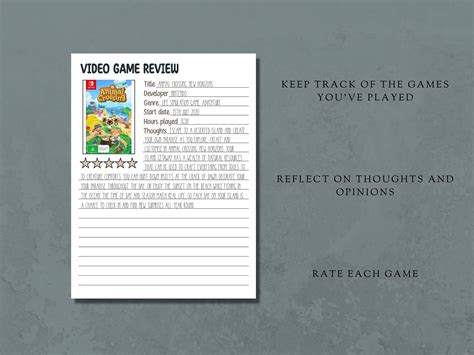
Some modern review platforms are experimenting with modular systems. These allow reviewers to update specific sections (e.g., ‘Graphics,’ ‘Gameplay,’ ‘Content’) or even dynamic scores as a game evolves. This approach makes it easier for readers to see what has changed and how the overall evaluation has shifted, without having to dig through lengthy update logs. It represents a more fluid, living document approach to game criticism.
4. Initial Review Focus: Core vs. Evolving Content
Reviewers can also adapt their initial approach. When reviewing games known for their live service model or planned extensive post-launch support, the initial review can strategically focus more on the game’s fundamental mechanics, core loop, and potential rather than heavily weighing launch content that is likely to change. This sets reader expectations and makes the review less susceptible to rapid obsolescence.
5. Clear Disclosure and Versioning
Regardless of the chosen strategy, transparency is paramount. Every review should clearly state the version of the game reviewed, including the patch number and any DLC included. When updates are made, these should be dated and clearly marked. This allows readers to understand the context of the review and to identify if the information aligns with the current state of the game they are considering purchasing or playing.

Best Practices for Reviewers in an Evolving Market
- Be Proactive: Monitor major game updates and DLC releases for titles you’ve previously reviewed.
- Communicate Changes: Clearly indicate when and why a review has been updated or supplemented.
- Balance Timeliness with Depth: While quick updates are good, ensure new evaluations are still thorough and well-considered.
- Engage with the Community: Listen to player feedback on how updates have impacted their experience, which can inform your re-evaluations.
- Maintain Archives: Keep original reviews accessible even when updated versions exist, allowing for historical comparison.

Conclusion: The Adaptable Critic
The role of a game reviewer has evolved from a one-time judge to an ongoing curator of information. By adopting strategies like systematic updates, re-reviews, and transparent versioning, critics can ensure their work remains a valuable and relevant resource for gamers. The challenge of keeping reviews current is significant, but by embracing adaptability, reviewers can continue to guide players effectively through the ever-expanding universes of their favorite games.