How do you select Indie Spotlight games to boost player discoverability?

The Crucial Role of Indie Spotlights in Discoverability
In the vast and ever-growing landscape of video games, indie titles often face the monumental challenge of standing out. With thousands of new games released annually across various platforms, getting noticed by players can feel like finding a needle in a digital haystack. This is where ‘Indie Spotlight’ programs become invaluable. These curated features, offered by storefronts, platforms, and media outlets, provide much-needed visibility to promising independent games. But how exactly are these games selected? What criteria do curators and platforms use to identify which titles deserve the spotlight, ultimately boosting their player discoverability?
Key Criteria for Selection
The selection process for an Indie Spotlight is far from arbitrary; it involves a thoughtful evaluation based on several core criteria designed to ensure quality, appeal, and market readiness. These criteria help identify games that not only deserve attention but are also likely to resonate with a broad audience.
1. Innovation and Uniqueness
- Originality of Concept: Does the game bring a fresh idea to the table? Is its core gameplay loop, narrative, or artistic direction truly distinct?
- Genre Bending: Games that creatively blend genres or subvert common tropes often catch the eye of curators looking for something new and exciting.
2. Quality and Polish
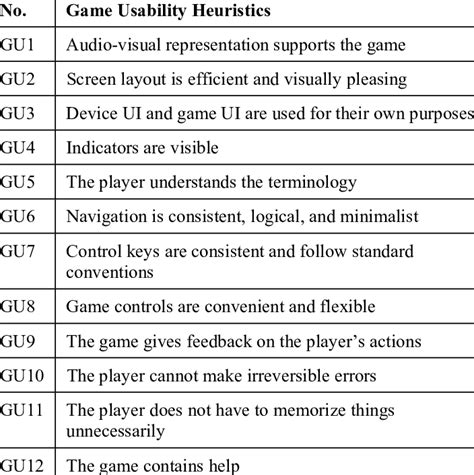
- Gameplay Mechanics: Are the controls intuitive? Is the gameplay engaging, fun, and free of frustrating bugs?
- Art Direction & Sound Design: High-quality visuals and compelling audio significantly enhance the player experience and demonstrate attention to detail.
- Technical Stability: A game must be relatively stable, free of major crashes or game-breaking bugs, even if it’s in an early access state.
3. Market Appeal and Niche Suitability
- Target Audience: Is there a clear audience for the game? Does it successfully cater to a particular niche while potentially appealing to a wider group?
- Narrative and Theme: Compelling stories, thought-provoking themes, or unique world-building can significantly boost a game’s appeal.
- Cultural Relevance: Some platforms may prioritize games that touch upon current trends or showcase diverse perspectives.
4. Developer Engagement and Communication
Curators often look for developers who are passionate, communicative, and responsive. This includes their engagement with their community, their professionalism in interactions, and their ability to clearly articulate their game’s vision and development progress. A strong developer presence indicates a commitment to the game’s long-term success.
5. Playability and Completeness (for its stage)
Whether a game is fully released or in early access, it needs to be enjoyable and demonstrably complete for its current stage. For early access titles, this means a solid core loop and clear development roadmap. For full releases, it means a complete, polished experience that lives up to its promises.

The Selection Process: From Submission to Spotlight
While the exact process varies between platforms, a typical Indie Spotlight selection workflow might involve:
- Submission & Discovery: Developers submit their games through dedicated portals, or curation teams actively scout for promising titles at events, online forums, and review sites.
- Initial Screening: A preliminary review assesses the game’s basic viability, checking for technical requirements, content guidelines, and an initial glance at its core concept.
- Deeper Dive & Playtesting: Promising titles undergo more thorough evaluation, including extensive playtesting by a dedicated team. This stage meticulously assesses gameplay, bugs, performance, and overall player experience against the criteria listed above.
- Curatorial Review & Discussion: A panel of experts discusses the playtesting feedback, comparing titles and debating their potential impact and appeal.
- Final Selection: Based on consensus and strategic considerations (e.g., balancing genres for a spotlight, upcoming platform events), a final list of games is chosen.
- Developer Communication: Chosen developers are contacted to coordinate the spotlight feature, often involving asset collection, interviews, or special promotions.

The Impact of an Indie Spotlight
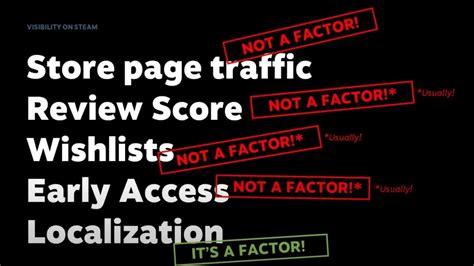
Being selected for an Indie Spotlight can be a game-changer for independent developers. It significantly boosts visibility, driving traffic to their store pages, increasing wishlists, and ultimately translating into higher sales. Beyond immediate commercial success, it can also lead to increased media coverage, community growth, and even open doors for future collaborations or publishing deals. It’s a powerful endorsement that validates the developers’ hard work and helps their unique visions find the audience they deserve.
Conclusion
The selection of Indie Spotlight games is a sophisticated process driven by a commitment to showcasing quality, innovation, and potential. By adhering to rigorous criteria and employing a multi-stage evaluation, platforms strive to unearth hidden gems and place them directly in front of an eager player base. For indie developers, understanding these criteria and striving for excellence in every aspect of their game’s creation is key to unlocking the immense discoverability benefits that an Indie Spotlight can provide.