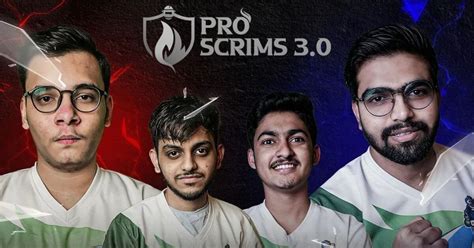
How do pro esports players combat burnout and maintain peak competitive performance?
The Relentless Pursuit of Excellence in Esports
Professional esports is a crucible of intense competition, demanding unwavering focus, lightning-fast reflexes, and strategic mastery. While the allure of championship titles and significant prize pools is strong, the relentless grind can lead to severe burnout, a common pitfall for athletes in any high-stakes environment. For pro players, maintaining peak competitive performance isn’t just about endless practice; it’s a sophisticated balancing act involving physical, mental, and emotional well-being.
Structured Training and Strategic Breaks
Unlike casual gaming, professional esports training is highly structured. Teams often employ coaches and analysts to dissect gameplay, identify weaknesses, and develop targeted practice routines. This shifts the focus from simply “playing more” to “practicing smarter.”
Key elements include:
- Deliberate Practice: Focusing on specific skills, strategies, or map control rather than just playing ranked matches.
- VOD Review: Analyzing past matches, both their own and opponents’, to learn from mistakes and refine tactics.
- Scrims (Scrub Matches): Organized practice matches against other professional teams, often with specific goals or conditions.
Equally crucial are strategic breaks. Long, uninterrupted gaming sessions are counterproductive. Pro teams build in scheduled breaks throughout the day and ensure players take adequate time off between seasons or major tournaments to recharge.
Prioritizing Physical Health and Wellness
The stereotype of gamers subsisting on junk food and energy drinks is rapidly changing within professional esports. Organizations and players increasingly recognize that physical health directly impacts mental acuity and reaction times.
Nutrition and Hydration
A balanced diet rich in nutrients and proper hydration are fundamental. Many teams now have nutritionists who create personalized meal plans designed to optimize cognitive function and sustain energy levels throughout long practice days.
Exercise and Movement
Regular physical exercise, even light cardio or strength training, helps combat the sedentary nature of gaming. It improves blood flow to the brain, reduces stress, and prevents repetitive strain injuries common in esports (e.g., wrist pain, carpal tunnel syndrome).

Sleep Hygiene
Adequate, high-quality sleep is non-negotiable. It’s during sleep that the brain consolidates memories, processes information, and repairs itself. Pro players strive for consistent sleep schedules, often avoiding screens before bed and optimizing their sleep environment.
Mental Fortitude and Sports Psychology
The mental demands of esports are immense. Dealing with pressure, criticism, losses, and the constant need for split-second decisions requires significant mental resilience. This is where sports psychology plays a vital role.
Many professional teams work with sports psychologists who help players:
- Manage stress and anxiety.
- Improve focus and concentration.
- Develop coping mechanisms for losses and setbacks.
- Enhance communication and team cohesion.
- Cultivate a growth mindset.

Mindfulness practices, meditation, and visualization techniques are also increasingly common tools used by players to stay grounded and mentally sharp.
Building a Supportive Team Environment
A positive and supportive team environment is a powerful buffer against burnout. Trust, open communication, and mutual respect among teammates and coaching staff create a safe space for players to express concerns, celebrate victories, and learn from defeats without fear of judgment.
Effective team dynamics include:
- Clear roles and responsibilities.
- Constructive feedback loops.
- Team-building activities outside of gaming.
- Support for individual player needs and well-being.

Life Beyond the Game: Hobbies and Personal Time
Completely disconnecting from the game is essential for long-term sustainability. Engaging in hobbies, spending time with family and friends, or pursuing personal interests outside of esports helps players maintain perspective and prevents their identity from becoming solely tied to their gaming performance.
Whether it’s reading, hiking, playing a musical instrument, or another sport, these activities provide mental breaks and allow players to return to the game feeling refreshed and motivated.
Conclusion: A Holistic Approach to Sustained Success
Combating burnout and maintaining peak performance in professional esports is far from a simple task. It requires a holistic, multi-faceted approach that extends far beyond just playing the game. By embracing structured training, prioritizing physical and mental health, fostering supportive team environments, and cultivating a life outside of esports, professional players can navigate the immense pressures of competitive gaming, ensuring longevity and sustained excellence in their demanding careers.