





What’s the best strategy for keeping complex game guides updated after major patches?

In the ever-evolving landscape of modern video games, especially those with live service models, major patches are a regular occurrence. These updates can introduce new mechanics, rebalance existing systems, or completely overhaul game areas, rendering even the most meticulously crafted game guides obsolete overnight. For content creators, guide writers, and community managers, the challenge isn’t just creating a comprehensive guide, but sustaining its accuracy and relevance. The key lies in adopting proactive strategies that embrace change rather than react to it.
The Challenge: Why Guides Decay Rapidly
Complex game guides, often covering intricate systems like character builds, progression paths, or raid mechanics, are particularly vulnerable to patch-induced decay. A single numerical adjustment or mechanic change can ripple through dozens of interconnected sections, requiring extensive revisions. Players rely on these guides for critical information, and outdated content can lead to frustration, misplays, and a loss of trust in the guide’s authority. Understanding the inherent fragility of these guides is the first step towards building a resilient update strategy.
Modular Design: Building for Adaptability
One of the most effective preventative measures is to design guides with modularity in mind from the outset. Instead of monolithic blocks of text, break down information into smaller, self-contained sections or ‘modules’ that can be updated independently. For instance, a character build guide could have separate modules for ‘Core Skills’, ‘Talent Trees’, ‘Equipment Slots’, and ‘Rotation Strategy’. If only the ‘Talent Trees’ are changed in a patch, only that specific module needs revision, minimizing the impact on the entire guide.
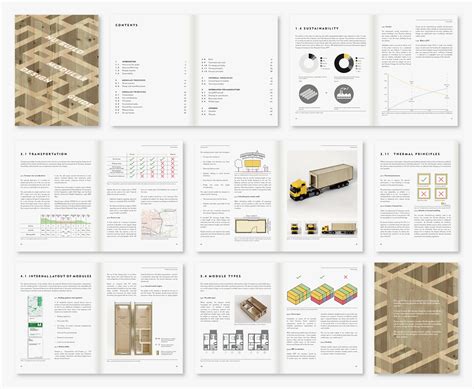
This approach also makes it easier to track changes and assign specific update tasks. Each module can be tagged with a version number or a ‘last updated’ timestamp, clearly indicating which parts have been reviewed and which still need attention after a patch.
Community Collaboration: Tapping into Player Knowledge
No single person can capture every change and nuance introduced by a major patch, especially immediately after release. Leveraging the collective intelligence of the player base is invaluable. Platforms that allow for community contributions, such as wikis or forums with dedicated guide sections, can significantly lighten the update burden. Establish clear channels for feedback, error reporting, and suggested revisions. Empowering a trusted group of community members or moderators to assist in guide maintenance can accelerate the update process, providing preliminary revisions that official guide writers can then verify and refine.
Version Control & Change Logs: Tracking Revisions
Implementing a robust version control system is crucial for any complex content, and game guides are no exception. This could range from simple ‘Version X.Y Patch Notes’ sections within the guide itself to using dedicated content management systems (CMS) or collaborative tools with built-in revision history. A clear change log, detailing what was altered, when, and by whom, allows both guide writers and readers to quickly understand the evolution of the guide. It also serves as an audit trail, helpful for debugging why certain information might be incorrect or for reverting to previous versions if a patch is rolled back.

For readers, prominently displaying the last update date and relevant game patch version helps set expectations about the guide’s current accuracy. Transparency builds trust.
Prioritization & Staged Updates: What to Update First
When a major patch drops, the sheer volume of changes can be overwhelming. A critical strategy is to prioritize updates. Not all changes are equally important or impactful. Focus first on game-breaking changes, core mechanics, critical build components, or anything that could severely mislead players if left unaddressed. Minor numerical tweaks or cosmetic changes can be addressed in subsequent, staged updates. Create a clear internal checklist or task board for post-patch guide updates, categorizing changes by urgency and complexity.
This staged approach prevents burnout, ensures critical information is accurate quickly, and allows for a more thorough review of less urgent changes over time, rather than rushing everything at once.
Automation & Tooling: Streamlining the Process
While guide writing often requires human insight, certain aspects of content maintenance can be automated or streamlined with specialized tools. This could include scripts to quickly pull data from game APIs (if available), tools that highlight differences between guide versions, or even simple templates that standardize guide structure, making updates easier. For larger operations, a dedicated CMS designed for dynamic content can significantly reduce manual effort in publishing and updating.
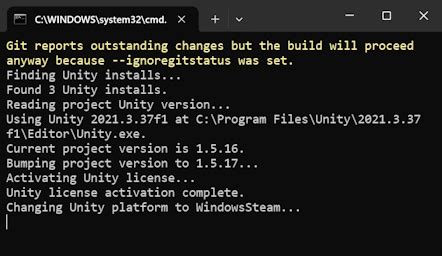
The goal is to minimize repetitive tasks, freeing up guide writers to focus on analysis, verification, and clear explanation of the new content rather than tedious formatting or cross-referencing.
Beyond the Patch: Continuous Review & Feedback Loops
The work doesn’t end once the initial post-patch frenzy subsides. Effective guide maintenance is an ongoing process. Schedule regular reviews of key guides, even between major patches, to catch minor errors, improve clarity, or incorporate community-discovered optimizations. Maintain an active feedback loop with your audience, collecting suggestions, bug reports, and questions that can inform future updates. A dedicated ‘feedback’ button or forum thread attached to each guide can be incredibly useful.

Ultimately, a guide is a living document, and treating it as such ensures its longevity and value to the player community. By combining proactive design, community involvement, robust tracking, strategic prioritization, and smart tooling, content creators can transform the daunting task of guide maintenance into a manageable and sustainable endeavor, keeping their complex game guides relevant and trustworthy for years to come.



