What specific VOD review techniques maximize competitive skill improvement?
In the high-stakes world of esports, raw talent alone is rarely enough to climb the ranks and achieve consistent victory. The most successful players and teams leverage a powerful, often underutilized tool: Video On Demand (VOD) review. More than just rewatching a match, effective VOD analysis is a systematic process designed to dissect performance, identify critical mistakes, and pinpoint areas for exponential skill improvement. This article delves into the specific VOD review techniques that can truly maximize your competitive edge.
The Foundation: Mindset and Preparation
Before you even hit play, setting the right mindset is crucial. Approach your VODs with an objective, critical, and growth-oriented perspective, free from emotional bias. The goal isn’t to blame, but to learn. Prepare by knowing what you’re looking for, whether it’s specific hero matchups, teamfight coordination, or individual decision-making under pressure.
Active Analysis: Going Beyond Surface-Level Viewing
Frame-by-Frame Dissection
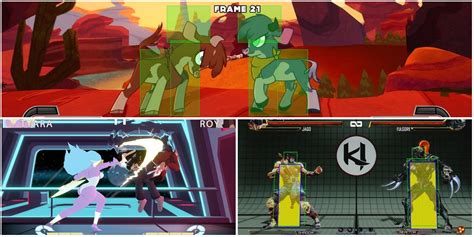
Passive viewing yields passive results. True improvement comes from active dissection. Don’t just watch at regular speed; frequently pause, rewind, and advance frame-by-frame. This allows you to scrutinize micro-level interactions, precise timings, and the exact moment a critical decision was made or a crucial ability was used (or missed).
Multi-Perspective Review
If your game or platform allows, reviewing from multiple perspectives (your own, teammates’, or even opponents’) can offer invaluable insights. Seeing the game through an enemy’s eyes can reveal your predictable movements or exploitable habits. Watching a teammate’s perspective during a coordinated play can highlight communication breakdowns or misalignments in execution.
Focus on Specific “Lenses”
Trying to analyze everything at once is overwhelming and ineffective. Instead, review a VOD multiple times, each time focusing on a different “lens”:
- Decision-Making: Why did I make that play? What were the alternatives? What was the information available at the time?
- Positioning & Movement: Was I always in the optimal spot? Could I have avoided damage or secured a better angle?
- Resource Management: Am I efficiently using abilities, cooldowns, and in-game economy?
- Target Priority & Damage Output: Am I focusing the right targets? Am I maximizing my damage or utility potential?
- Map Awareness & Information Gathering: Am I tracking enemy cooldowns, ultimate statuses, and general map state?

Identifying Patterns and Habits
One of the most powerful aspects of VOD review is the ability to spot recurring patterns, both good and bad. Are you consistently mispositioning in certain scenarios? Do you always use a specific ability in a predictable way? Identifying these habits is the first step to breaking detrimental ones and reinforcing positive ones. Look for cause-and-effect relationships: “When I push aggressively without information, I often get caught out.”
Translating Insights into Actionable Steps
A VOD review is useless without a plan for improvement. For every identified mistake or area for growth, define a clear, measurable, and actionable step. Don’t just say “get better at aiming”; instead, formulate “practice 10 minutes of flick shots before each play session” or “focus on crosshair placement during the first three rounds.”
Effective Note-Taking
Keep a dedicated log or spreadsheet for your VOD notes. Include timestamps, descriptions of the situation, the mistake/opportunity, the desired outcome, and the specific actionable step. Categorize these notes (e.g., “early game mistake,” “teamfight positioning,” “micro execution”).

Solo vs. Team Review
While solo review is essential for individual skill, team VOD review elevates collective performance. As a team, analyze communication, synergy, objective control, and overall strategic execution. Foster an environment of constructive criticism where everyone feels safe to point out errors and offer solutions, focusing on the play, not the player.
Common Pitfalls to Avoid
- Emotional Review: Reviewing immediately after a frustrating loss often leads to blame and unproductive self-criticism. Give yourself time to cool down.
- Overwhelm: Don’t try to fix everything at once. Pick 1-3 key areas to focus on per review session.
- Lack of Follow-Through: Insights are meaningless if they aren’t translated into deliberate practice and conscious effort in future games.
Conclusion
Mastering VOD review is a meta-skill that separates the good from the great in competitive esports. By adopting a systematic approach – from setting an objective mindset and actively dissecting gameplay frame-by-frame, to identifying patterns and creating actionable improvement plans – players can unlock accelerated skill development. Embrace the grind of critical self-analysis, and watch your competitive performance soar.