What’s key to creating evergreen gaming guides that rank well and stay updated?
The Enduring Value of Evergreen Gaming Guides
In the fast-paced world of gaming, where patches drop, metas shift, and new content arrives regularly, creating guides that stand the test of time might seem like a Herculean task. Yet, evergreen gaming guides – those that remain relevant and valuable long after their publication – are the backbone of successful gaming content platforms. They consistently attract organic traffic, establish authority, and build lasting communities.
Unlike ephemeral news pieces or immediate patch notes, evergreen guides focus on fundamental game mechanics, timeless strategies, or enduring lore that doesn’t drastically change. The challenge, then, lies in not just creating high-quality content, but in structuring it to rank well initially and maintaining its accuracy over months, or even years.

Foundational Principles for Evergreen Content
1. Focus on Fundamentals, Not Fleeting Meta
The most crucial aspect of an evergreen guide is its subject matter. Instead of detailing the ‘best build for patch 10.2,’ consider ‘understanding character stats’ or ‘mastering core movement mechanics.’ These topics have a longer shelf life. Guides on basic controls, class roles, economy systems, or lore overviews are prime candidates for evergreen status.
2. Comprehensive and Authoritative Information
Evergreen guides must be thorough. They should anticipate user questions and provide clear, accurate, and in-depth answers. Back up claims with evidence, calculations, or in-game examples. Becoming the definitive resource on a particular topic ensures users return and search engines recognize your authority.
3. Clear Structure and Readability
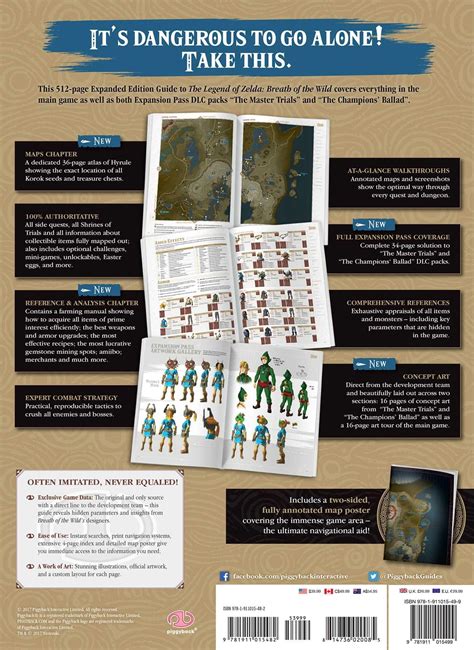
Long-form guides can be daunting. Break down complex information into digestible sections using headings (<h2>, <h3>), bullet points, numbered lists, and short paragraphs. A clear table of contents, especially for very long guides, can significantly improve user experience and navigation.
Strategies for Maximizing Search Ranking
1. Deep Dive Keyword Research
Before writing, understand what terms players are searching for. Utilize tools to identify high-volume, low-competition keywords related to fundamental game aspects. Don’t just target broad terms; look for long-tail keywords that indicate specific user intent, such as “how to optimize inventory management [game name]”.
2. Optimize for Search Engines
Integrate your target keywords naturally throughout the title, headings, introduction, and body text. Ensure your guide has a strong meta description, optimized image alt tags, and a clean URL. Internal linking to other relevant guides on your site also signals authority and helps users explore more content.

Maintaining Relevance: The Update Strategy
1. Schedule Regular Content Reviews
Even fundamental aspects of a game can subtly change. Implement a calendar for reviewing your evergreen guides. Quarterly or bi-annual checks for major titles are often sufficient. Look for balance changes, ability reworks, new items, or interface updates that might invalidate parts of your guide.
2. Embrace Community Feedback
Your readers are often your best quality control. Create channels for feedback, whether through comments sections, forums, or social media. Promptly address inaccuracies or new insights shared by your community. This not only keeps your guides updated but also fosters a loyal readership.
3. Design for Easy Updates: Modular Content
Structure your guides so that individual sections can be updated or replaced without overhauling the entire piece. For instance, if you have a ‘best gear’ section that is prone to change, keep it distinct from the ‘how abilities work’ section. Clearly mark when a guide was last updated, possibly with an ‘Updated: [Date]’ notice at the top.
4. Add Value, Don’t Just Correct
When updating, don’t just fix errors. Look for opportunities to add new insights, better examples, clearer explanations, or even new subsections that enhance the guide’s overall value. This continual improvement keeps the guide fresh and ensures its long-term viability.
Conclusion
Creating evergreen gaming guides is an investment, not a one-off task. By focusing on fundamental topics, crafting comprehensive and well-structured content, optimizing for search, and committing to a robust update strategy, you can build a powerful library of resources. These guides will not only consistently draw in new players but also serve as a trusted, enduring asset for your community and platform, proving their worth far beyond the initial publication date.