How do pro players develop mental resilience & avoid tilt in competitive esports matches?
The Crucial Role of Mental Fortitude in Esports
In the high-octane world of competitive esports, where milliseconds and tactical decisions dictate victory or defeat, raw mechanical skill is only one piece of the puzzle. Just as vital, if not more so, is mental resilience – the ability to maintain composure, focus, and optimal performance under immense pressure. The antithesis of resilience is ’tilt,’ a term gamers use to describe a state of frustration, anger, or despair that leads to suboptimal play and often a spiraling decline in performance. Pro players, competing for significant prize pools and prestige, invest heavily in developing mental strategies to not just cope with but thrive under pressure.
Understanding and Counteracting Tilt
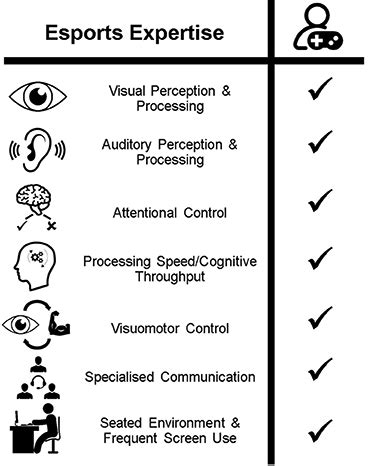
Tilt isn’t just about getting angry; it’s a cognitive and emotional state that impairs decision-making, reaction time, and communication. Common triggers include:
- Consecutive losses or bad luck.
- Mistakes by teammates or oneself.
- Opponent taunting or unexpected plays.
- Technical issues or external distractions.
For pros, recognizing the early signs of tilt – increased heart rate, tunnel vision, negative self-talk – is the first step. They learn to identify their personal triggers and develop immediate countermeasures.
Strategies for Building Mental Resilience
1. Mindset and Self-Talk Training
Pro players cultivate a growth mindset, viewing losses not as failures but as learning opportunities. They practice positive self-talk, replacing internal criticisms with constructive affirmations. This involves reframing setbacks and focusing on improvement rather than dwelling on past mistakes.
2. Emotional Regulation Techniques
Deep breathing exercises, mindfulness, and short meditation practices are common tools. These techniques help players reset their emotional state during loading screens, respawn timers, or tactical pauses. The ability to take a few deep breaths and refocus can be the difference between recovering from a bad play and snowballing into a full-blown tilt.

3. Pre-Game Routines and Preparation
Consistency is key. Many pros have strict pre-game routines that include physical warm-ups, specific practice drills, reviewing strategies, and even listening to certain music. These routines help create a sense of control, reduce anxiety, and signal to the brain that it’s time to perform.
4. Effective Communication and Team Dynamics
A strong team environment is a powerful buffer against tilt. Pros prioritize clear, concise, and constructive communication, even when under stress. They learn to support teammates, offer encouragement, and provide objective feedback rather than blame. A united front helps distribute pressure and maintain morale.
5. Objective Post-Match Analysis (VOD Review)
Instead of wallowing in a loss, pros immediately shift to an analytical mindset. Video-on-demand (VOD) reviews are crucial for identifying specific mistakes, understanding opponent strategies, and learning from every match, win or lose. This objective approach prevents emotional baggage from carrying over to the next game.

6. Physical Well-being
Mental resilience is inextricably linked to physical health. Adequate sleep, regular exercise, and a balanced diet are non-negotiable. Fatigue and poor nutrition can significantly lower a player’s tolerance for stress and make them more susceptible to tilt.
The Role of Coaching and Sports Psychology
Many professional esports organizations now employ dedicated mental performance coaches or sports psychologists. These specialists work with players on an individual and team basis to develop personalized strategies for stress management, focus enhancement, communication skills, and emotional intelligence. They provide tools and frameworks to help players consistently operate at their mental peak.
Maintaining Focus During a Match
During the intense moments of a game, pros employ several real-time techniques:
- Resetting: Taking a brief mental break during a lull, a death, or a pause to clear their mind and re-focus on the immediate objective.
- Focusing on the Controllable: Shifting attention away from factors outside their influence (e.g., bad luck, opponent’s perfect play) to what they can directly control (their own actions, positioning, communication).
- Short-Term Goals: Breaking down the match into smaller, manageable objectives rather than getting overwhelmed by the overall outcome.
Conclusion
Developing mental resilience and avoiding tilt in competitive esports is an ongoing process that requires discipline, self-awareness, and a proactive approach. It’s a testament to the evolving professionalism of the industry that mental training is now considered as vital as mechanical skill and strategic knowledge. By mastering their minds, pro players not only enhance their individual performance but also contribute significantly to their team’s overall success, turning potential breakdowns into opportunities for growth and victory.