What are the best strategies for managing tilt in competitive FPS games?

Understanding and Recognizing Tilt
Tilt is a common, yet debilitating, mental state in competitive gaming, particularly in fast-paced First-Person Shooter (FPS) titles. It’s often characterized by frustration, anger, and a subsequent decline in performance due to emotional decision-making rather than logical play. Recognizing when you’re tilting is the crucial first step towards managing it effectively. Symptoms can include aggressive or reckless play, tunnel vision, excessive complaining, blaming teammates, or a general feeling of helplessness. Identifying your personal triggers – be it a series of bad spawns, an unfortunate losing streak, or a frustrating teammate interaction – allows you to prepare and react proactively.

Pre-Game Strategies for Mental Fortitude
Effective tilt management begins long before you queue for a match. Cultivating a resilient mindset can significantly reduce the likelihood and severity of tilt. Start by ensuring you are well-rested, hydrated, and have eaten. Physical well-being directly impacts mental clarity. Establish a pre-game routine that includes a focused warm-up, not just mechanically (aim training, movement drills) but also mentally. Visualizing successful plays, setting realistic goals for the session, and practicing positive self-talk can prime your mind for competitive pressure. Avoid queuing when already stressed or in a negative mood, as this provides a fertile ground for tilt to take root.
In-Game Techniques to Combat Tilt
Once you’re in the heat of a match, direct strategies are necessary to counteract tilt. One of the most effective is the ‘reset’ button: consciously taking a deep breath, stepping away from the keyboard for a few seconds if possible (during a death screen or non-critical moment), or even just shifting your focus. Break down the game into smaller, manageable objectives instead of dwelling on past mistakes. Focus on the next gunfight, the next objective push, or the next utility usage. Communication is key; instead of silently fuming, try to communicate calmly and constructively with your team. Avoid engaging in arguments or blaming, as this only exacerbates tilt for everyone. Prioritize a positive mental frame over immediate results, remembering that consistent good decisions will eventually lead to wins.

Another powerful technique is to shift your perspective. Instead of viewing every mistake as a personal failing, see it as a learning opportunity. Ask yourself: “What could I have done differently?” rather than “Why did that happen to me?” This analytical approach detaches emotion from the situation, allowing for clearer thought. If a specific map or opponent repeatedly triggers tilt, make a conscious effort to prepare for those scenarios, perhaps by reviewing VODs (video on demand) or practicing specific counter-strategies. Remember, maintaining composure is often a greater advantage than raw mechanical skill in high-stakes moments.

Post-Game Reflection and Learning
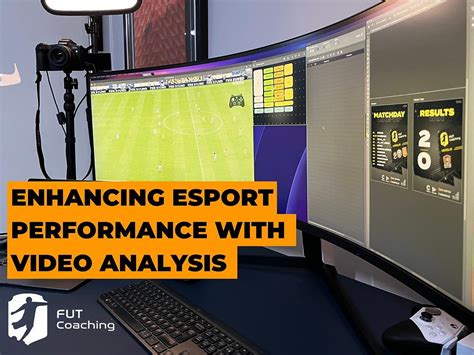
The period immediately after a game, win or loss, is crucial for long-term tilt management. Avoid immediately queuing again, especially after a frustrating loss. Take a short break to decompress. During this time, reflect on the game objectively. Reviewing VODs of your gameplay can provide invaluable insights into your mistakes and triggers. Instead of focusing solely on the outcome, analyze your decision-making, positioning, and aim. Celebrate small victories and good plays, not just the overall win. Learning to separate your self-worth from your in-game performance is vital. Understand that every player has bad games, and growth comes from analyzing them constructively rather than internalizing them negatively.
Long-Term Mental Health and Performance
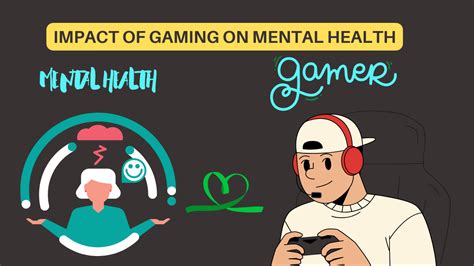
For competitive gamers, managing tilt is not a one-time fix but an ongoing process integrated into overall mental health and performance optimization. Regular breaks from gaming are essential to prevent burnout. Engaging in physical activity, pursuing hobbies outside of gaming, and maintaining a healthy social life can provide balance and perspective. If tilt becomes a persistent and overwhelming issue, impacting your daily life or enjoyment of the game, seeking advice from a sports psychologist or mental health professional can be incredibly beneficial. They can provide tailored strategies and coping mechanisms to build long-term resilience.
Conclusion
Tilt is an inevitable challenge in competitive FPS games, but it doesn’t have to define your performance or enjoyment. By developing self-awareness, implementing strategic pre-game preparations, utilizing effective in-game countermeasures, and engaging in constructive post-game reflection, players can significantly reduce its impact. Mastering the mental game is just as important as honing your aim or strategy, ultimately leading to more consistent performance, greater satisfaction, and a healthier relationship with competitive gaming.