What’s the best way to keep a game guide updated for new patches/DLC?

The Ever-Evolving Game World: A Guide Creator’s Challenge
Creating a comprehensive game guide is a monumental task, but keeping it relevant in the face of constant patches, balance changes, and new DLC releases presents an even greater challenge. A stale guide quickly loses its value, frustrating users who rely on accurate, up-to-date information. The key isn’t just to update, but to do so efficiently and systematically, ensuring your guide remains a trusted resource for the game’s entire lifespan.
The gaming industry’s rapid release cycle means that yesterday’s definitive strategy could be obsolete tomorrow. From minor bug fixes that alter item statistics to massive expansions that introduce entirely new mechanics and zones, every update demands attention. Ignoring these changes erodes user trust and diminishes your guide’s authority.
Strategic Approaches to Guide Maintenance
1. Embrace Modular Content Design
One of the most effective strategies is to design your guide with modularity in mind. Instead of lengthy, monolithic chapters, break down information into smaller, self-contained sections. For example, have separate modules for ‘Classes & Builds’, ‘Quests & Storylines’, ‘Items & Equipment’, ‘Boss Strategies’, and ‘World Map & Zones’. When a patch changes a specific item or a class ability, you only need to update that particular module, rather than re-evaluating an entire chapter.
This approach significantly reduces the workload for each update and minimizes the risk of introducing new errors into untouched sections. It also makes your guide easier to navigate for users looking for specific information.
2. Implement a Version Control System
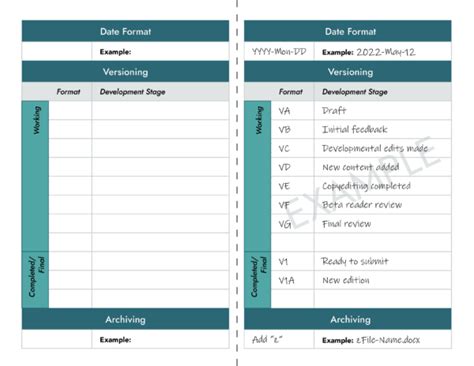
Just like software development, guide creation benefits from version control. Clearly label sections of your guide, or even the entire guide, with the game’s current patch number. This informs users immediately about the relevance of the information. When an update drops, create a ‘Patch Notes’ or ‘Update Log’ section at the beginning of your guide (or each major section) detailing the changes made and the patch version they apply to.
Consider using tools like wikis or dedicated content management systems (CMS) that inherently track revisions and allow you to revert to previous versions if needed. This historical record is invaluable for transparency and for understanding the evolution of the game and your guide.
3. Prioritize Updates Based on Impact
Not all changes are created equal. When a new patch or DLC hits, quickly assess its impact. Game-breaking bugs, significant balance changes to core mechanics (e.g., class abilities, damage formulas), or new mandatory quest lines should take precedence. Cosmetic changes or minor bug fixes that don’t affect gameplay can often wait for a secondary pass.
Develop a checklist for what typically needs updating: character stats, item descriptions, quest objectives, map layouts, new enemies, boss attack patterns, and economic changes. Focus on the sections that directly impact player strategy and progression first.
4. Leverage Community Feedback
You don’t have to be a lone wolf. The gaming community is often an excellent source of information and error detection. Establish clear channels for users to submit feedback, report outdated information, or suggest improvements. This could be a comments section, a dedicated forum thread, or a feedback form.
Actively engage with your audience, acknowledging their contributions and implementing valid suggestions. This not only helps keep your guide accurate but also fosters a loyal community around your work.

5. Schedule Regular Review Periods
Beyond reacting to specific patches, establish a routine review schedule. Even if no major updates have occurred, a periodic review (e.g., monthly or quarterly) allows you to catch minor inaccuracies, improve clarity, or identify areas that could benefit from fresh insights. This proactive approach helps prevent accumulation of small errors that can collectively diminish guide quality.
Conclusion: A Living Document
Keeping a game guide updated for new patches and DLC is an constant commitment, transforming it from a static document into a living resource. By adopting modular design, employing version control, prioritizing updates, engaging with the community, and maintaining a regular review schedule, you can ensure your guide remains accurate, valuable, and a go-to companion for players navigating the ever-changing landscapes of their favorite games.