Pro player strategies for managing tilt & preventing competitive burnout?

The Psychological Gauntlet: Understanding Tilt and Burnout
In the high-stakes world of esports, the difference between victory and defeat often hinges not just on mechanical skill but on mental fortitude. Professional players constantly battle two insidious threats to their performance and well-being: tilt and competitive burnout. Tilt, an emotional state characterized by frustration and irrational decision-making, can spiral out of control during a match, while burnout, a state of physical and emotional exhaustion, can prematurely end a promising career. Understanding these challenges is the first step toward conquering them.
Pro players, through years of experience and often with the guidance of sports psychologists, have developed sophisticated strategies to navigate these treacherous mental landscapes. Their methods are a masterclass in emotional regulation and sustainable high performance.

Mastering Tilt: In-Game and Immediate Strategies
Tilt can strike without warning, triggered by a misplay, a teammate’s error, or an unfortunate streak of bad luck. Pro players don’t eliminate tilt entirely, but they have powerful tools to manage its onset and minimize its impact:
- Deep Breaths and Micro-Breaks: Simple but effective. A few deep breaths can reset the nervous system. In games with respawn timers or lulls in action, pros use these moments to physically and mentally recenter themselves.
- Focus on the Next Play: Dwelling on past mistakes is a quick route to deeper tilt. Elite players train themselves to immediately shift focus to what they can control next. “What’s the optimal move *now*?” becomes their mantra.
- Communication Discipline: Tilting often leads to toxic communication. Pros learn to disengage from negative chat or, if necessary, mute disruptive teammates to protect their own mental state. Constructive communication is paramount; emotional venting is detrimental.
- Self-Talk and Positive Affirmations: Replacing negative internal monologues with constructive self-talk helps reframe challenging situations. “I can still carry this” or “We can come back” are more powerful than “This game is lost.”

Long-Term Resilience: Preventing Burnout
While tilt is an acute problem, burnout is chronic, a slow drain that can lead to apathy, decreased performance, and even physical illness. Preventing burnout requires a holistic approach that extends far beyond the game client:
- Scheduled Breaks and Hobbies: The grind is real, but non-gaming activities are crucial. Regular, planned breaks from the screen, engaging in hobbies like sports, music, or reading, help players maintain perspective and recharge their mental batteries.
- Physical Health Regimen: Exercise, balanced nutrition, and consistent sleep are non-negotiable. Physical well-being directly impacts mental resilience. Many esports organizations now employ fitness coaches and nutritionists to support their players.
- Work-Life Separation: Creating clear boundaries between training time and personal time is vital. When the monitor is off, the game should be off, allowing the mind to genuinely rest and recover.

The Role of Mental Health Support and Team Culture
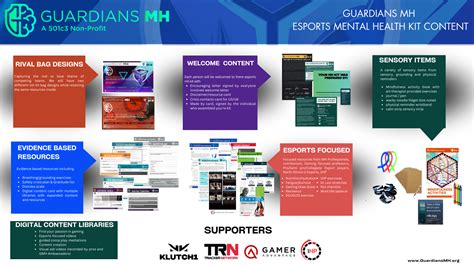
Progressive esports teams recognize that mental health is as important as mechanical skill. This has led to the integration of mental performance coaches and psychologists who provide players with tools for stress management, focus enhancement, and emotional regulation. These professionals help players process losses, manage expectations, and develop coping mechanisms for competitive pressure.
Furthermore, a supportive team culture is a powerful buffer against both tilt and burnout. Teams that foster open communication, mutual respect, and a non-blaming environment allow players to feel secure and supported, even during losing streaks. Teammates can often recognize the signs of tilt or burnout in others and offer timely support.
Setting Realistic Goals and Continuous Learning
Burnout can also stem from unrealistic expectations or a feeling of stagnation. Pro players often work with coaches to set achievable short-term and long-term goals. Celebrating small victories and focusing on incremental improvement keeps motivation high. Regular VOD reviews, focusing on objective analysis rather than emotional critique, allow players to learn from mistakes without falling into a spiral of self-doubt.
The journey of a pro player is one of continuous self-improvement, not just in game mechanics but in mental fortitude. By embracing strategies for managing tilt and proactively preventing burnout, these elite athletes ensure their careers are not only successful but also sustainable.

Conclusion: Sustaining Peak Performance
Managing tilt and preventing competitive burnout are not optional extras for professional esports players; they are fundamental components of a successful and long-lasting career. Through a combination of in-the-moment emotional regulation techniques, diligent off-game physical and mental wellness practices, robust team support, and a commitment to continuous, objective learning, pro players forge the resilience needed to thrive in the relentless competitive arena. Their strategies offer valuable lessons for any competitive individual seeking to maintain peak performance and passion in their chosen field.