Best ways to find and join a competitive esports team for beginners?

Embarking on Your Competitive Esports Journey
Dreaming of joining the ranks of competitive esports players? For many beginners, the path to finding and joining a skilled team can seem daunting. However, with the right approach and dedication, it’s an achievable goal. This guide will walk you through the essential steps to turn your solo gaming passion into a collaborative, competitive esports experience.
1. Self-Assessment and Game Mastery
Before you even think about joining a team, you need a realistic understanding of your own skills. Identify your main game and the role you excel in (e.g., support, carry, tank, entry fragger). Be honest about your strengths and weaknesses. Dedicate time to truly master your chosen game, focusing on mechanics, map knowledge, and strategic decision-making. Watch professional players, analyze their gameplay, and understand the meta.
Your journey begins with solo queue climbing, understanding game mechanics deeply, and honing specific skills for your role. Don’t underestimate the power of replay analysis – review your own games to pinpoint errors and areas for improvement. Consistent individual performance is the foundation of a good team player.

2. Immerse Yourself in Gaming Communities
Networking is paramount in esports. The best way to find a team is often through community engagement. Join official game Discord servers, subreddits, and forums dedicated to your game. Participate actively: ask questions, offer advice, and engage in discussions. Many communities have specific channels for ‘looking for group’ (LFG) or ‘team recruitment’.
Playing regularly with different people you meet in these communities can help you identify potential teammates. Look for players who share your competitive drive, have good communication skills, and maintain a positive attitude, even in losses. Remember, a team isn’t just about individual skill; it’s about synergy.
3. Utilize Dedicated Recruitment Platforms
Beyond general communities, several platforms are specifically designed for esports team recruitment. Websites like Teamfind.com, Faceit, ESEA (for CS:GO), and various game-specific platforms allow you to create a profile, showcase your stats, and search for teams or players. Many amateur leagues and tournament organizers also have their own recruitment sections.
When creating your profile, be detailed about your experience, preferred role, availability, and what you’re looking for in a team. Include links to your in-game profiles or VODs if possible. A well-crafted profile can significantly increase your chances of being noticed by serious teams.

4. Tryouts and Communication are Key
Once you find a potential team, tryouts are standard. This is your opportunity to demonstrate your skill, teamwork, and communication abilities. Be punctual, communicate clearly and concisely, and show a willingness to adapt and learn. Teams are looking for players who fit their existing dynamic, not just solo superstars.
Beyond in-game performance, your attitude during tryouts is crucial. Are you coachable? Do you remain positive under pressure? Are you a good listener? Effective communication, both in-game and out, is the bedrock of any successful esports team. Show that you can call out information, make strategic suggestions, and take constructive criticism.
5. Commitment and Continuous Improvement
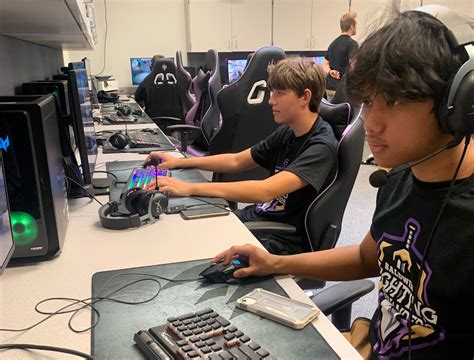
Joining a competitive team requires commitment. You’ll likely have scheduled practice times, scrims against other teams, and tournaments. Be prepared to dedicate consistent time and effort. This isn’t just about playing; it’s about growing together as a unit.
Even after joining a team, the journey of improvement never stops. Continuously work on your individual skills, learn new strategies, and communicate openly with your teammates about how to improve team coordination. Celebrate successes, learn from failures, and always strive to be a better player and teammate.

Conclusion: Your Competitive Esports Future Awaits
Finding and joining a competitive esports team as a beginner is a process that demands self-awareness, active community participation, diligent practice, and strong communication skills. Start by mastering your game, then actively seek out and engage with gaming communities. Utilize recruitment platforms, approach tryouts with a professional attitude, and commit to continuous improvement. With persistence and the right mindset, you’ll soon find yourself competing alongside like-minded players, elevating your gaming experience to new competitive heights.