Indie devs: What strategies boost post-Spotlight player retention & community growth?

Beyond the Hype: Cultivating Lasting Engagement
The initial burst of attention from an “Indie Spotlight” can be exhilarating, bringing a significant wave of new players and sales. However, the real challenge for indie developers begins once the spotlight dims: how do you convert that fleeting attention into sustained player retention and a thriving, self-sufficient community? It’s not enough to simply launch a great game; long-term success hinges on nurturing that initial spark and turning curious visitors into loyal fans.
The goal isn’t just to attract, but to retain. This requires a shift from a purely launch-focused mindset to a more live-service approach, even for games that aren’t traditionally multiplayer or ongoing. Every interaction, every update, and every community message contributes to the overall player experience and their decision to stick around.
Core Strategies for Sustained Player Retention
Consistent & Meaningful Updates
Regular content updates, bug fixes, and quality-of-life improvements are paramount. Players appreciate a game that evolves and responds to their needs. This could mean new levels, characters, game modes, seasonal events, or even small, impactful tweaks based on feedback. A public roadmap, shared transparently with your community, can build anticipation and trust, showing players that you’re invested in the game’s future.

Proactive Community Engagement
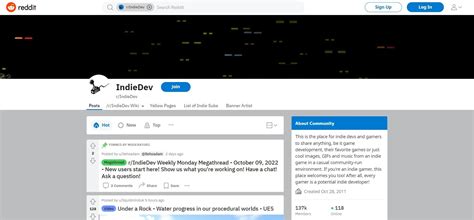
Don’t just talk at your players; talk with them. Establish strong presences on platforms like Discord, Reddit, Twitter, and your own forums. Actively listen to feedback, respond to questions, and participate in discussions. Show genuine appreciation for your community’s passion. Running Ask Me Anything (AMA) sessions or developer streams can personalize the experience, putting a human face to the game.
Empowering the Community
Give players a stake in the game’s future. This can involve polls for upcoming features, inviting community playtesters, or showcasing fan art and user-generated content (UGC) within your official channels. When players feel their input matters and their creativity is recognized, they become more deeply invested, not just in the game itself, but in its burgeoning community.

Fostering a Vibrant & Self-Sustaining Community
A strong community isn’t just about players interacting with developers; it’s about players interacting with each other. Facilitate this by creating spaces for discussion, collaboration, and friendly competition. Discord servers with dedicated channels for different topics (strategies, fan art, general chat) are excellent for this. Encourage players to help each other, share tips, and form bonds.
Events, Challenges, and Lore
Organize in-game events, challenges, or even community-wide lore-building exercises. These provide fresh reasons for players to return, engage with others, and deepen their connection to the game world. Consider holiday events, themed mini-games, or contests that reward creativity or skill.
Cross-Promotion and Collaboration
Partner with other indie developers whose games share a similar audience but aren’t direct competitors. Cross-promote each other’s games, host joint streams, or even consider small in-game crossovers. This can introduce your game to new, relevant audiences who are already predisposed to indie titles.
The Long Game: Iteration and Adaptability
Player retention and community growth are ongoing processes, not one-time achievements. Regularly analyze player data – where do players drop off? What features are most used? – and combine this quantitative data with qualitative community feedback. Be prepared to iterate on your strategies and even pivot if necessary. The landscape of player expectations and engagement platforms is constantly shifting, requiring vigilance and adaptability.
The “Indie Spotlight” is a fantastic launchpad, offering invaluable initial exposure. However, sustainable success for indie developers is built on the deliberate and continuous effort of nurturing their player base and community long after the initial buzz fades. By committing to consistent, meaningful updates, transparent communication, proactive engagement, and empowering their players, indies can transform fleeting attention into a loyal following and a thriving ecosystem around their game.