





Reviewing early access games: How to evaluate potential vs. current state fairly?

The Early Access Reviewer’s Dilemma
Early access has revolutionized game development, offering players a unique opportunity to experience titles in their formative stages and influence their evolution. For reviewers, however, this model presents a significant conundrum: how does one fairly evaluate a product that is, by definition, unfinished? The traditional review paradigm, which assesses a complete, retail-ready game, simply doesn’t apply. Reviewing early access demands a new methodology, one that acknowledges both the tangible present and the speculative future.
Unlike a polished, released title, an early access game is a moving target. Features are incomplete, bugs are prevalent, and core mechanics might be subject to drastic changes. This fluidity makes it challenging to render a definitive judgment. The core task becomes balancing the game as it exists today against the exciting, often ambitious, vision promised by its developers. Striking this balance is crucial not only for journalistic integrity but also for providing genuinely useful guidance to prospective players.
Judging the “Current State”: What’s Here Now?
The first, and arguably most important, pillar of an early access review is a thorough examination of the game’s current state. This means focusing exclusively on what is tangible and playable at the time of the review. Does the core gameplay loop work? Are the existing features stable? How much content is genuinely available to experience? These are the immediate questions readers need answers to.
Reviewers must resist the temptation to evaluate based on promises. While a developer’s roadmap might show exciting future additions, they are not present reality. Judge the game’s existing mechanics, its performance, its user interface, and its current level of polish. Bugs, crashes, poor optimization, or frustrating design choices are significant, even if the developers pledge to fix them later. The review reflects what a player would experience if they purchased and played the game *today*.
It’s vital to assess the stability of the build, the frequency of updates, and the general playability. A game riddled with game-breaking bugs, even if conceptually brilliant, fails to deliver a satisfactory experience in its current form. Readers are investing their time and money now, and they deserve to know the immediate return on that investment.

Unpacking the “Potential”: Glimpses of Tomorrow
While the current state is paramount, ignoring potential entirely would be disingenuous, as it’s often a major draw for early access players. Evaluating potential is far more subjective and requires a different set of analytical tools. This involves looking beyond the immediate gameplay to understand the developer’s vision and capacity.
Key indicators of potential include clear and consistent developer communication, a well-defined public roadmap, and a history of delivering on past promises. Is the development team actively engaging with the community? Are they transparent about challenges and progress? Does their track record inspire confidence? A strong, communicative developer with a coherent plan can elevate an otherwise rough early access build.
Assess the underlying design principles and the foundational mechanics. Even if content is sparse, do the core systems show promise? Is there a solid framework upon which future features can be built? This part of the review is less about what exists and more about what seems plausible and well-conceived, grounded in the observable efforts of the development team.
Striking a Fair Balance: The Nuanced Approach
The art of reviewing early access lies in seamlessly integrating these two perspectives. A fair review doesn’t simply present a snapshot; it offers a detailed report on the current experience, contextualized by a well-reasoned assessment of the game’s trajectory. This means clearly delineating between what is present and what is merely promised or anticipated.
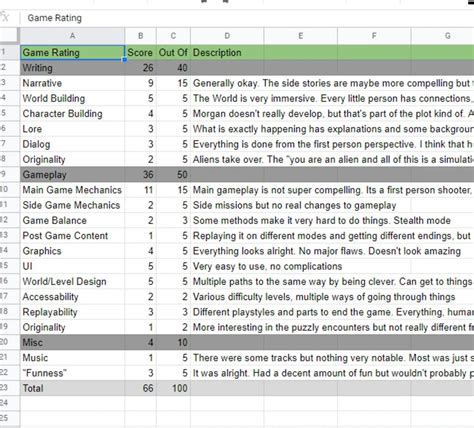
Reviewers should avoid giving a numerical score to the potential of a game. Any score awarded should strictly pertain to the current build, perhaps with an explicit statement about its fluidity. Phrases like, “As of patch X.Y, the game plays like this, but its potential is evident through…” help manage expectations and clarify the scope of the assessment.
Ultimately, a fair review educates the reader. It helps them understand not just if the game is ‘good’ or ‘bad’ right now, but also the risks and rewards of buying into an evolving project. It serves as a guide for those willing to brave the early access journey and a caution for those who prefer a finished product.
Transparency and Reader Expectations
Crucially, the reviewer must be utterly transparent with their audience about their methodology. State upfront that the review is for an early access title and that the opinions expressed are based on an unfinished product. Explain the specific version or build number reviewed and mention any known upcoming changes that might alter the experience.
Advise readers on what to expect if they purchase the game immediately versus waiting for further development. This transparency builds trust and empowers players to make informed decisions that align with their own comfort levels regarding incomplete games. A review of an early access title is less a definitive verdict and more a comprehensive progress report with an expert opinion attached.

Reviewing early access games is a delicate balancing act, requiring both critical rigor for the present and informed foresight for the future. By meticulously evaluating the current state while responsibly assessing potential, and by maintaining absolute transparency with readers, reviewers can provide invaluable guidance in the ever-evolving landscape of game development.



