What daily training routine builds pro-level esports mechanics & game sense?
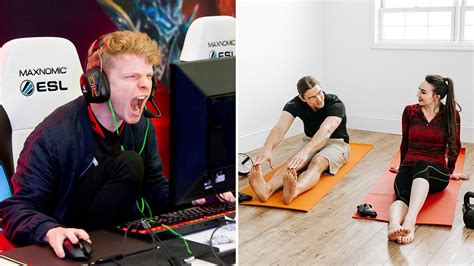
Reaching the pinnacle of esports — where razor-sharp mechanics meet unparalleled game sense — isn’t about raw talent alone; it’s the culmination of a meticulously structured daily training routine. Aspiring and current professional players understand that consistent, deliberate practice across multiple facets of their game and personal well-being is the only path to sustained excellence.
The Morning Grind: Warm-up and Mechanical Foundations
A professional esports day often begins before the actual game client launches. This includes a light physical warm-up to get blood flowing and improve cognitive function, followed by specific in-game warm-up routines. These aren’t just casual matches; they’re targeted drills designed to wake up muscle memory, refine aim, and ensure responsiveness.
- Physical Prep: Light stretching, cardio, or mobility exercises for 15-30 minutes to prepare the body.
- Mechanical Drills: 30-60 minutes in an aim trainer (e.g., Aim Lab, Kovaak’s) or game-specific practice maps focusing on flick shots, tracking, recoil control, and movement drills.

Deep Dive: Sharpening Pure Mechanics
Once warmed up, the next phase is dedicated to pure mechanical improvement. This might involve several hours of focused drilling, often utilizing custom maps, specific scenarios, or isolated practice modules within the game. The goal is to push the limits of reaction time, execution speed, and consistency under pressure. This isn’t just about hitting shots, but about flawless execution of complex sequences, ability usage, and micro-positioning.
Pros often break down their mechanics into granular components, focusing on one aspect at a time before integrating them into fluid gameplay. Repetition with purpose is key here, identifying weaknesses and systematically eradicating them.

Cultivating Superior Game Sense and Strategy
Mechanics are the tools, but game sense is the blueprint. This crucial phase involves understanding the ‘why’ behind actions. It encompasses extensive VOD (Video On Demand) review, strategic discussions, and focused practice on macro-level decision-making.
- VOD Review: Analyzing personal gameplay, identifying mistakes, understanding optimal plays, and learning from professional players. This can be solo or with a coach/team, dissecting every decision.
- Strategic Theory: Discussing meta-changes, map control, objective prioritization, power spikes, and counter-strategies with teammates or coaches.
- Scenario Practice: Sometimes, custom lobbies are used to practice specific late-game scenarios, clutch situations, or intricate team plays to build confidence and muscle memory for critical moments.

Competitive Practice: Applying & Refining
With mechanics honed and game sense sharpened, it’s time to put it all into practice in a competitive environment. This typically involves scrims (scrimmage matches) against other high-level teams or high-stakes ranked ladder play. The focus here is on applying learned strategies, improving team communication, adapting to opponents, and performing under match conditions.
Post-scrim analysis is just as important, reviewing performance, pinpointing areas for improvement, and iterating on team coordination and strategy. This feedback loop is essential for continuous growth, identifying what worked and what needs adjustment.
Beyond the Game: Physical and Mental Fortitude
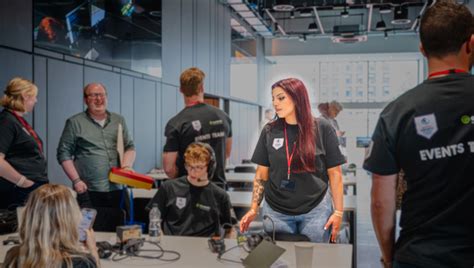
A truly professional esports routine extends far beyond the screen. Physical health, nutrition, and mental well-being are paramount for sustained peak performance. Long hours demand resilience and focus, which are impossible to maintain without a holistic approach.
- Physical Activity: Regular exercise (gym, cardio) to combat sedentary effects, improve stamina, and enhance blood flow to the brain.
- Nutrition: A balanced diet for consistent energy levels, cognitive function, and overall health, avoiding sugary drinks and processed foods.
- Sleep Hygiene: Strict sleep schedules are critical for reaction time, memory consolidation, and mental clarity, often aiming for 7-9 hours of quality sleep.
- Mental Training: Mindfulness exercises, meditation, and techniques for stress management and maintaining composure under pressure (e.g., dealing with tilt and burnout).
The Cycle of Improvement
Building pro-level esports mechanics and game sense is not a destination but a continuous journey. The daily routine is a cycle of deliberate practice, critical analysis, physical maintenance, and mental conditioning, all reinforced by unwavering consistency. It demands discipline, self-awareness, and a relentless pursuit of perfection, both within and outside the virtual arena, ensuring players are always evolving to meet the ever-increasing demands of competitive esports.