What common submission mistakes hinder indie game selection for your Spotlight?
The Golden Ticket: Why Your Indie Game Needs a Spotlight
In the fiercely competitive world of independent game development, securing a coveted spot in an “Indie Spotlight” feature can be a game-changer. It offers unparalleled visibility, connects you with new players, and can be the catalyst your project needs to break through the noise. However, the path to a spotlight is often paved with good intentions but also, unfortunately, with common submission mistakes that inadvertently sideline otherwise fantastic games.
As curators and platform holders sift through countless entries, they look for professionalism, clarity, and, above all, a compelling reason to choose your game. Understanding and avoiding these pitfalls is crucial for any developer hoping to shine.
Missing Pieces: The Perils of Incomplete Submissions
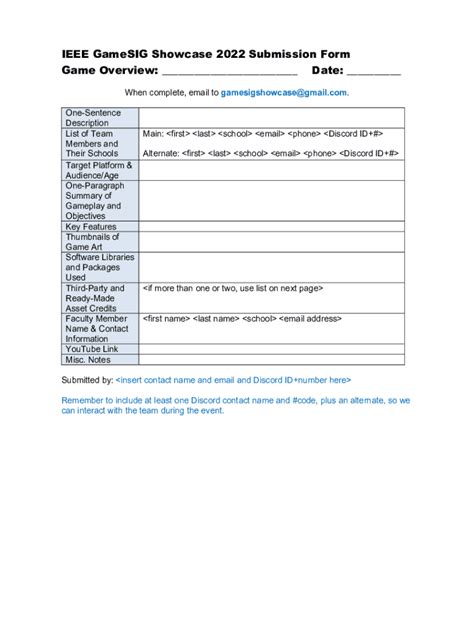
One of the most frequent and frustrating issues for selection teams is an incomplete submission. This isn’t just about missing a single field on a form; it encompasses everything from broken links to unattached builds, or simply providing insufficient information to properly evaluate your game. A rushed or half-hearted submission signals a lack of attention to detail and professionalism, which can immediately disqualify an entry.
Ensure every field is filled accurately, every link works, and all requested assets (screenshots, videos, press kits) are easily accessible and up-to-date. Treat the submission process as your first interview – you wouldn’t show up unprepared.
Lost in Translation: Failing to Articulate Your Game’s Vision
You know your game inside and out, but can you convey its unique appeal in a concise, engaging manner? Many submissions struggle with articulating their game’s core hook, genre, target audience, or what makes it stand out. Generic descriptions, buzzword-heavy prose, or overly technical jargon can obscure the true essence of your project. Curators need to quickly grasp why your game is special.
Focus on a clear, compelling elevator pitch. What’s the main gameplay loop? What emotion does it evoke? What’s the “wow” factor? Get straight to the point and make them excited to learn more.
First Impressions Matter: Technical Hurdles and Unpolished Demos
If your submission includes a playable demo or build, its technical stability and polish are paramount. A demo riddled with crashes, significant bugs, or performance issues creates a poor impression, regardless of the game’s underlying potential. Curators have limited time, and if they can’t easily play or understand your game due to technical glitches, they will likely move on.
Before submitting, thoroughly test your demo on various systems. Ensure it runs smoothly, key features are showcased effectively, and the onboarding experience is intuitive. Even a short, polished slice is far better than a lengthy, buggy one.
The Cardinal Sin: Disregarding Submission Guidelines
Every spotlight or platform has its specific set of submission guidelines. These aren’t arbitrary suggestions; they are critical instructions designed to streamline the evaluation process. Failing to adhere to them – whether it’s submitting in the wrong format, exceeding word limits, or ignoring specific asset requirements – is a glaring red flag. It demonstrates a lack of respect for the curator’s time and an inability to follow instructions, immediately putting your game at a disadvantage.
Read the guidelines carefully, twice if necessary. Double-check every requirement before hitting submit. When in doubt, clarify with the organizers if possible.
Aesthetics and Appeal: Overlooking Visual Polish in Marketing Materials
Beyond the game itself, the quality of your supplementary materials – screenshots, trailers, and press kit – plays a huge role. Low-resolution screenshots, amateurish trailer editing, or a disorganized press kit can undermine the perceived quality of your game, even if the game itself is fantastic. These materials are your game’s public face and often the first thing a curator sees.
Invest time in high-quality visual assets. Ensure your screenshots are vibrant and representative of gameplay, your trailer effectively conveys excitement and core features, and your press kit is professional, comprehensive, and easy to navigate.
Seizing Your Spotlight: A Call to Professionalism
Getting your indie game into a spotlight is a challenge, but it’s a challenge made significantly harder by avoidable submission mistakes. By approaching the submission process with meticulous care, clear communication, technical diligence, strict adherence to guidelines, and polished marketing materials, you dramatically increase your chances of standing out. Remember, your submission isn’t just about your game; it’s a reflection of your professionalism as a developer. Give your passion project the best possible chance to shine.