What data points make an indie game stand out for spotlight coverage?
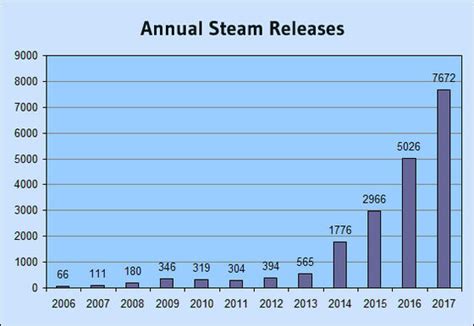
In the fiercely competitive landscape of independent game development, merely creating a great game isn’t always enough to capture the attention of major media outlets and secure coveted spotlight coverage. To truly stand out, developers need to present compelling data points and strategic elements that resonate with journalists and editors. It’s about more than just a pitch; it’s about providing a clear, evidence-based reason for coverage.

The Hook: Innovation and Uniqueness
One of the primary data points that makes an indie game shine is its innovative core. What makes your game truly different? Is it a novel gameplay mechanic that redefines a genre, a never-before-seen art style that pushes visual boundaries, or a narrative that challenges conventional storytelling? Media outlets are constantly searching for the ‘new’ and the ‘unique.’ Clearly articulating your game’s unique selling proposition (USP) and demonstrating it through concise descriptions, compelling trailer clips, and impactful screenshots is crucial.
Journalists are sifting through hundreds of games; they need a hook that immediately distinguishes your title. Highlight any awards, nominations, or early accolades your game has received, as these serve as third-party validation of its quality and innovation.

Developer Story and Passion
Beyond the game itself, the story behind its creation can be incredibly compelling. A strong personal narrative – perhaps a developer overcoming significant obstacles, a team with a unique background, or a deep-seated passion project years in the making – adds a human element that captivates readers. Media professionals often look for stories that resonate emotionally and offer a fresh perspective.
Articulate your ‘why.’ Why did you make this game? What challenges did you face? What is the core philosophy driving your studio? This narrative helps journalists connect with your project on a deeper level and provides rich material for their articles.
Visuals and Presentation Polish
First impressions are paramount. High-quality visuals, a distinctive art style, and a professionally produced trailer are non-negotiable data points that immediately grab attention. These assets are often the first things a journalist sees, and they speak volumes about the game’s production value and your team’s dedication.
Beyond in-game assets, a polished and comprehensive press kit is essential. This includes clear branding, high-resolution logos, screenshots, concept art, and a concise synopsis. A well-organized press kit shows professionalism and makes a journalist’s job easier, significantly increasing the likelihood of coverage.

Community Engagement and Buzz
A thriving community indicates genuine interest and market potential. Metrics such as an active Discord server, growing social media follower counts, and a strong Wishlist presence (on platforms like Steam) are powerful data points that signal organic buzz and a receptive audience. Media outlets are more likely to cover games that already have a demonstrable following, as it suggests built-in readership interest.
Showcasing genuine player testimonials, positive impressions from early access participants, or engagement with influencers can provide valuable social proof. This collective enthusiasm demonstrates that your game resonates with people and has the potential for wider impact.

Clear Market Niche and Audience
Understanding and articulating your game’s market niche and target audience is another critical data point. Who is your game for? Clearly defining this helps media outlets understand its relevance and potential reach. If your game fills a specific void in the market or caters to an underserved niche, highlight this strategically.
Providing data that demonstrates market demand for your game’s genre, theme, or mechanics can be incredibly powerful. This shows that your game isn’t just a passion project, but a product with a viable place in the gaming ecosystem.
Conclusion
For an indie game to truly stand out for spotlight coverage, it requires a strategic blend of intrinsic quality and external presentation. It’s about having a unique and well-executed game, backed by a compelling developer story, a vibrant and engaged community, a clear understanding of its market, and an impeccable professional approach to media relations. By meticulously focusing on these data points, indie developers can significantly enhance their chances of cutting through the noise and securing the valuable media attention their creations deserve.