How do we update our gaming guides efficiently post-patch without redoing everything?

The Challenge of Perpetual Change
In the dynamic world of gaming, patches and updates are a constant. While they bring new content, balance changes, and bug fixes, they also pose a significant challenge for guide creators: how do you keep your content current without the Herculean task of rewriting everything from scratch? Outdated information frustrates users and diminishes the credibility of your guides. The key lies in strategic planning and implementing efficient update workflows.
Redoing entire guides post-patch is not only time-consuming but often unnecessary. Most changes are incremental, affecting specific mechanics, item stats, or ability values rather than overhauling core game principles. By adopting a proactive and modular approach, guide creators can streamline the update process, ensuring their content remains relevant and reliable with minimal effort.

Embrace Modular Guide Design
The most effective strategy for efficient guide updates is to design your guides with modularity in mind from the outset. Break down complex guides into smaller, self-contained sections that can be updated or replaced independently. Instead of a monolithic guide covering ‘Everything About Class X,’ create separate modules for ‘Class X Abilities,’ ‘Class X Builds,’ ‘Class X Gearing,’ and ‘Class X Rotations.’
- Sectionalize Content: Isolate data-driven sections (e.g., item lists, ability stats, talent trees) from narrative or foundational explanations. When a patch hits, you only need to revise the affected data tables or ability descriptions, not the entire prose.
- Use Internal Linking: Rely heavily on internal links between modules. If a specific item or ability changes, update its dedicated module, and all guides linking to it will automatically reflect the correct information.
- Standardized Templates: Develop templates for common guide elements, such as item descriptions, boss strategies, or quest walkthroughs. This ensures consistency and makes it easier for different team members to contribute updates.
Implement Version Control and Change Logs
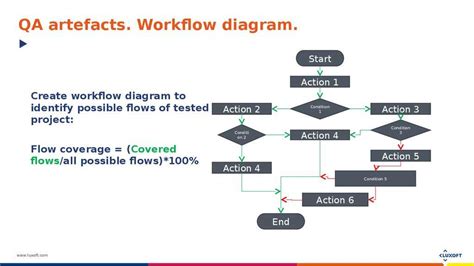
Just as software developers use version control, guide creators can benefit from tracking changes. This doesn’t necessarily mean using Git for text documents, but rather adopting similar principles within your content management system (CMS) or even a simple documentation method.
- Highlight Changes: Clearly indicate what has changed. A ‘Last Updated’ date is good, but a short ‘Patch Notes’ section within the guide, detailing specifically what was altered in the latest patch, is even better.
- Archive Old Data: Don’t delete old information immediately. Archive it. Sometimes, a patch might revert changes, or players might want to reference historical data.
- Utilize CMS Features: Many modern CMS platforms offer revision history, allowing you to compare versions and revert if necessary. Learn to leverage these features to quickly identify and update affected sections.
Leverage Community and Dedicated Update Teams
You don’t have to carry the entire burden of updates alone. The gaming community is often highly engaged and knowledgeable about recent changes.
- Community Contributions: Create channels for community feedback. Allow users to submit corrections, highlight outdated information, or suggest improvements. Implement a review process for these submissions to ensure accuracy.
- Dedicated Patch Reviewers: If you have a team, designate specific individuals to monitor patch notes and test changes immediately upon release. These ‘patch experts’ can then quickly identify which guide sections require updates.
- Early Access & PTR Data: For games with Public Test Realms (PTRs) or early access programs, gather information during these phases. While not always final, it allows you to draft potential changes in advance, shortening the update window once the patch goes live.
Focus on High-Impact Updates First
Not all changes are equally critical. When a patch drops, prioritize updates based on their impact on gameplay and player experience.
- Game-Breaking Bugs/Exploits: Address these immediately, as they directly affect player fairness and enjoyment.
- Core Gameplay Mechanics: Changes to fundamental systems (e.g., combat mechanics, resource generation) should be high priority.
- Popular Builds/Strategies: If a widely used build is nerfed or buffed significantly, update its guide promptly.
- New Content (Classes, Items, Zones): Integrate new information as quickly as possible to assist players exploring fresh content.
- Minor Number Tweaks: While important, slight adjustments to less critical items or abilities can often wait until the major updates are complete.

The Path to Sustainable Guide Maintenance
Efficiently updating gaming guides post-patch is an ongoing process that benefits immensely from forethought and structured workflows. By embracing modular design, implementing clear version control, engaging your community, and prioritizing updates based on impact, you can transform the daunting task of guide maintenance into a manageable and sustainable endeavor. This approach not only saves time and resources but also ensures your audience consistently receives accurate, up-to-date, and valuable information, solidifying your reputation as a reliable source in the ever-evolving gaming landscape.