Best counter-meta build strategies for solo queue in the current patch?

Navigating the Evolving Meta in Solo Queue
In the dynamic world of competitive gaming, especially in solo queue environments, blindly following the meta can often lead to stagnant progress. While meta picks are strong for a reason, their popularity also makes them predictable. The true art of climbing lies in understanding the meta, identifying its weaknesses, and leveraging counter-strategies through smart champion selection, adaptive itemization, and nuanced playstyle adjustments. This guide will equip you with the knowledge to consistently outplay the prevailing meta in the current patch.
Deconstructing the Current Meta
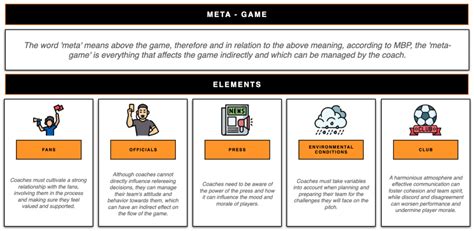
Before you can counter the meta, you must first understand it. The “meta” refers to the “most effective tactics available”—the champions, builds, and strategies that currently yield the highest success rates in a given patch. This understanding often comes from observing high-rank gameplay, professional matches, and analyzing patch notes for nerfs and buffs. Is the current meta dominated by early-game aggression, scaling late-game carries, high mobility assassins, or unkillable tanks?
Identifying common characteristics of meta picks is key. For instance, if the meta favors champions with strong early game pressure, their common weakness might be a slower scaling curve or vulnerability to ganks if they over-extend. Conversely, if late-game scaling champions dominate, their early game might be exploitable. Pinpointing these general traits allows for a more strategic approach to countering.
Strategic Champion Selection: The Core of Countering
Identifying Weaknesses of Meta Picks
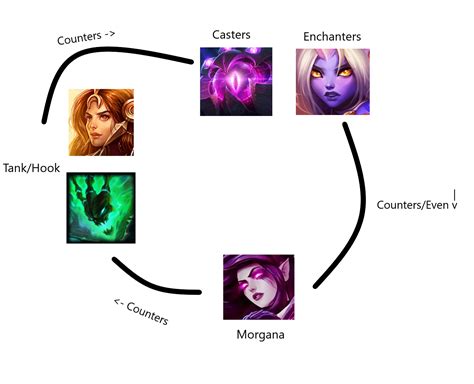
Every dominant champion or strategy has a soft spot. Does the meta favor champions that rely heavily on skill shots? Then mobile champions or those with reliable CC to interrupt their combos become strong. Are tanks prevalent? Champions with percentage health damage or armor penetration will shine. Is burst damage king? Champions with strong shields, healing, or invulnerability can mitigate their impact. Analyze the most picked and banned champions, and research their inherent weaknesses.
Powerful Counter-Picks
Direct counter-picking is often the most straightforward approach. If a particular meta champion is popular in a specific role, learn which champions naturally perform well against them. These are champions whose kits inherently negate or punish the strengths of the meta pick. For example, if a highly mobile assassin is meta, a champion with reliable point-and-click crowd control or a strong defensive peel ability can turn the tide.
Off-Meta Powerhouses for Solo Queue
Sometimes, the best counter isn’t a direct counter-pick, but an “off-meta” champion who thrives on uncoordinated play or brings a unique advantage. These champions might not be popular in professional play but can excel in solo queue due to their snowball potential, strong lane presence, or ability to punish common solo queue mistakes. They often catch opponents off guard, who might not know how to play against them effectively. Experiment with champions that have been buffed recently but haven’t yet entered the meta spotlight.
Adaptive Itemization: Beyond the Standard Builds
Blindly following recommended builds can be a significant pitfall when trying to counter the meta. Itemization needs to be fluid and responsive to the enemy team’s composition, especially if they are leaning heavily into meta picks. Your first few item purchases are critical for setting the tone.
- Early Defensive Items: If facing multiple meta champions with strong magic damage, prioritize early magic resist. Against heavy physical damage, armor is key. Don’t be afraid to deviate from your core offensive items if it means surviving and thriving in lane.
- Utility Items: Anti-healing items (e.g., Executioner’s Calling, Oblivion Orb) are essential if the meta favors champions with high sustain or strong healing. Quicksilver Sash or Mikael’s Blessing can be game-changing against heavy crowd control.
- Specific Resistances/Penetration: If the enemy team has an unkillable meta tank, consider percentage penetration items earlier. If their carries are squishy, focus on burst damage or flat penetration.
Always review the scoreboard and tab to understand the enemy team’s current power spikes and build paths. React proactively rather than reactively.
Mastering Playstyle and Macro Adjustments
Early Game Dominance vs. Scaling
Your playstyle must adapt to both your champion and the meta. If the meta champions have strong late games, focus on aggressive early-game plays to shut them down before they scale. Invade their jungle, deny farm, and pressure lanes. Conversely, if the meta favors early aggression, focus on safe farming, vision control, and waiting for power spikes before engaging.
Objective Control and Vision Denial
Macro play becomes even more crucial when countering the meta. If the enemy team relies on team fighting around objectives, consider split-pushing to draw pressure or focusing on securing other objectives while they group. Vision control is paramount; denying vision to meta roaming champions can significantly reduce their impact. Understand where meta champions want to operate and place vision accordingly to expose their intentions or deny them opportunities.

Conclusion: Consistency Through Adaptability
Successfully countering the meta in solo queue isn’t about finding one magical build or champion. It’s about cultivating a flexible mindset, continuously learning, and adapting your strategies based on the current patch and your opponents. By thoroughly understanding the meta, making intelligent champion choices, adapting your item builds, and adjusting your playstyle, you’ll be well-equipped to climb consistently and surprise your opponents with your strategic depth. Stay informed, stay flexible, and most importantly, have fun outsmarting the prevailing trends!