How can gaming guides balance detailed content with avoiding excessive spoilers effectively?
The Perpetual Dilemma: Informing Without Ruining
Gaming guides serve a vital role for players, offering assistance with challenging sections, revealing secrets, or optimizing gameplay. However, the very act of providing detailed information creates a paradox: how can a guide be comprehensive without inadvertently spoiling key plot points, surprises, or the joy of discovery for players who only seek a nudge? Striking this balance is an art, demanding thoughtful content strategy and a deep understanding of player psychology.

Strategic Use of Spoiler Warnings and Labels
One of the most straightforward and effective methods is the explicit use of spoiler warnings. These can range from a general disclaimer at the beginning of a guide to specific labels before sections containing crucial plot details or late-game revelations.
Clear Section Headings: Labeling sections like “Main Story Spoilers Ahead,” “Boss Strategy (Late Game),” or “Optional Secret Area” allows players to easily identify and skip content they don’t wish to see. Using collapsible sections or spoiler tags (like those found on forums) can further enhance this by hiding text until explicitly clicked by the user.
Graduated Warnings: Not all spoilers are created equal. A minor gameplay tip is different from a major plot twist. Guides can employ a graduated warning system, differentiating between “minor spoilers,” “moderate spoilers,” and “major story spoilers” to give players more control over their exposure.
Progressive Revelation and Guide Structure
The overall structure of a guide plays a crucial role in spoiler management. Instead of presenting all information upfront, guides can be designed for progressive revelation, much like the game itself unfolds.
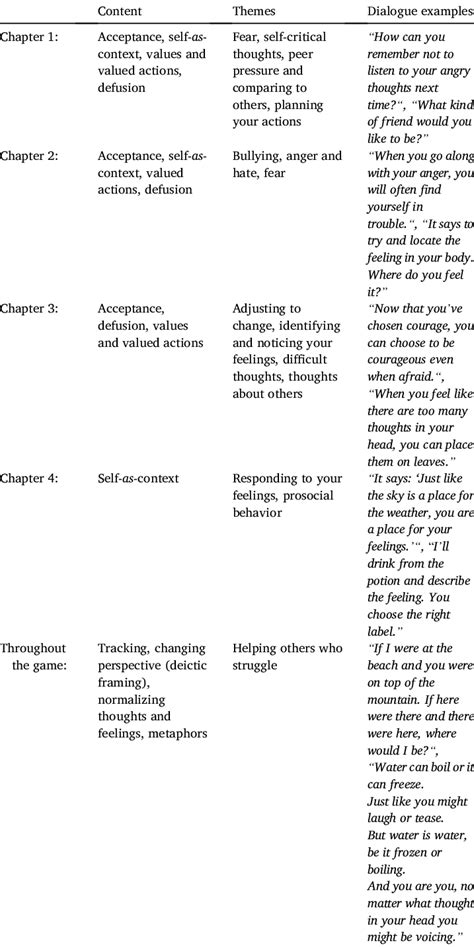
Chapter-by-Chapter or Mission-Based Guides: Organizing content strictly according to the game’s progression (e.g., “Chapter 1 Walkthrough,” “Mission 3 Objectives”) ensures players only encounter information relevant to their current point in the game. This avoids accidental exposure to future events.
Separation of Main Story and Side Content: Clearly segmenting content into “Main Story Walkthrough” and “Side Quests & Collectibles” allows players to focus on their primary objective without stumbling upon optional secrets they might prefer to find on their own.

Offering Hints Over Direct Answers
Sometimes, players don’t want a full solution; they just need a nudge in the right direction. Guides can incorporate a “hint system” where general clues are provided first, with more direct solutions or detailed explanations available upon request (e.g., hidden behind a click-to-reveal button).
This approach fosters a sense of accomplishment for the player, allowing them to still solve the puzzle themselves after receiving a subtle prompt, rather than simply copying a solution. It transforms the guide from a cheating sheet into a helpful companion.
Catering to Diverse Player Needs with Different Guide Types
Recognizing that not all players seek the same level of assistance is key. A balanced approach might involve offering different types of guides or clearly delineating sections within a single guide for various player preferences.
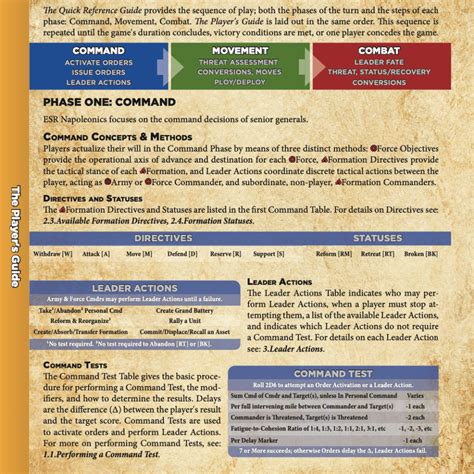
Minimalist Guides: Focus on essentials like boss strategies, puzzle solutions, or critical path navigation with minimal lore or plot details. These are for players who want to overcome a hurdle quickly without immersion breaking.
Comprehensive Guides: These cater to completionists, detailing every secret, collectible, lore entry, and optimal strategy. Crucially, even these guides should implement strong spoiler warnings and progressive revelation for those who might dip in and out.
The Role of Visuals and Interactive Elements
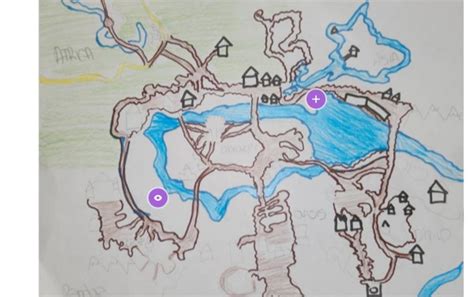
Visuals can sometimes convey information more efficiently and less explicitly than text. Maps with marked objectives, without revealing how to get there, can be incredibly helpful. Interactive maps that allow players to toggle on/off different categories of markers (e.g., “story objectives,” “collectibles,” “side quests”) are a prime example of spoiler-conscious design.
Furthermore, interactive quizzes or decision trees could guide players to the specific information they need based on their current progress and desired level of assistance, minimizing exposure to unwanted content.
Enhancing the Player’s Journey, Not Undermining It
Ultimately, the goal of any gaming guide is to enhance the player’s experience, not diminish it. Balancing detailed content with spoiler avoidance requires a mindful approach to guide design, clear communication with the reader, and a commitment to respecting the player’s journey of discovery. By implementing strategic warnings, thoughtful structuring, and catering to varied player needs, guide creators can provide invaluable assistance while preserving the magic and challenge that make games so compelling.