How can indie game developers create a pitch that stands out for a gaming spotlight?
The Challenge of Standing Out in a Crowded Market
For independent game developers, securing a feature in a prominent gaming spotlight can be a game-changer. It offers invaluable exposure, drives player engagement, and can significantly boost a title’s visibility in an increasingly saturated market. However, with countless games vying for attention, merely having a good game isn’t enough. The key lies in crafting a pitch that doesn’t just inform, but captivates and persuades. A standout pitch isn’t just about what you say, but how you say it, making your game unforgettable to curators and media.
Understanding Your Audience and Platform
Before you even begin writing, research is paramount. Every gaming spotlight, whether it’s a major platform’s indie showcase, a prominent gaming publication, or a popular streamer, has its unique style, audience, and criteria. Understand what kind of games they typically feature, what narratives they prefer, and what their audience responds to. Tailor your pitch to align with their specific interests and values, showing them you’ve done your homework and respect their platform.
A generic, one-size-fits-all pitch is often a death sentence. Instead, customize your introduction, highlight features relevant to their specific audience, and reference past content they’ve produced. This personal touch demonstrates genuine interest and increases the likelihood of your pitch resonating.
Crafting Your Unique Hook: What Makes Your Game Unforgettable?
Your pitch needs a powerful hook – something that grabs attention immediately. This is your elevator pitch, a concise and exciting summary of what your game is, what makes it special, and why players should care. Avoid jargon and focus on the core concept and the unique selling points. Is it the innovative gameplay mechanic? The compelling story? The striking art style? Pinpoint the one or two most unique aspects and lead with them.
Think about the emotional impact or the surprising twist. How does your game differentiate itself from similar titles in the genre? Be bold, be clear, and be memorable. This isn’t just about explaining your game; it’s about selling its dream.

Show, Don’t Just Tell: Visuals and Demos Are Key
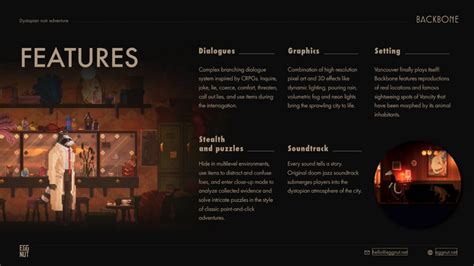
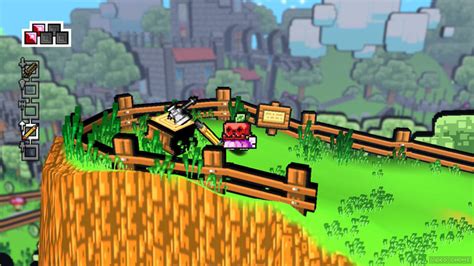
Text alone often isn’t enough to convey the magic of a game. A pitch for a gaming spotlight absolutely requires strong visual and, ideally, interactive elements. High-quality screenshots, captivating GIF loops, and an expertly edited gameplay trailer are non-negotiable.
The Power of a Polished Trailer
Your trailer should be short, impactful, and showcase your game’s best moments. Highlight gameplay, unique mechanics, and the overall aesthetic. It should be easily accessible, preferably on a platform like YouTube, and linked prominently in your pitch. A well-crafted trailer can communicate more in 60 seconds than paragraphs of text ever could.
Providing a Playable Experience
If feasible, offer a polished, brief demo or a private build for review. Giving curators hands-on experience is often the most effective way to convey your game’s quality and vision. Ensure the demo is stable, easy to install, and guides the player through the core experience efficiently.
The Story Behind the Game: Your Vision and Passion
Beyond the game itself, tell your story. Why did you make this game? What challenges did you overcome? What personal experiences or inspirations fueled its creation? People connect with passion and authenticity. Sharing the human element behind the development can create a powerful emotional connection with curators and, by extension, their audience.
Highlight your team’s unique strengths, experiences, and the journey you’ve embarked on. This personal narrative can make your project stand out from others, especially if your story resonates with the values of the spotlight or its audience.

Clarity, Conciseness, and Professionalism
Editors and curators are busy. Respect their time by making your pitch clear, concise, and easy to digest. Get straight to the point, use bullet points for readability, and avoid unnecessary jargon or excessive detail. Proofread meticulously for typos and grammatical errors; a sloppy pitch reflects poorly on your game’s development quality.
Provide all essential information upfront: game title, genre, platforms, release window (if known), and links to your press kit, trailer, and demo. Make it effortless for them to find everything they need to feature your game effectively.
Conclusion: Make Your Mark
Creating a pitch that stands out for a gaming spotlight requires more than just a great game; it demands strategic thinking, a keen understanding of your audience, and flawless execution. By focusing on a strong, unique hook, compelling visuals, a personal narrative, and unwavering professionalism, indie developers can significantly increase their chances of capturing the attention they deserve. Invest the time and effort into your pitch – it’s often the first, and most crucial, step towards widespread recognition and success.