How can gaming guides deliver quick answers without sacrificing crucial detail?

The Modern Gamer’s Dilemma: Speed vs. Depth
In the fast-paced world of gaming, players often find themselves in situations demanding immediate answers: What’s the boss’s weakness? Where is that hidden collectible? What’s the optimal build for this character? At the same time, a truly effective guide must also provide the crucial context, caveats, and deeper understanding that allow players to master a game, not just muddle through it. This fundamental tension – delivering quick solutions without stripping away essential detail – is the paramount challenge facing modern gaming guide creators.
Traditional guides often fall into two camps: overly verbose compendiums that bury answers under swathes of text, or minimalist wikis that provide bullet points without explanation. The ideal guide strikes a delicate balance, anticipating player needs and presenting information in a fluid, accessible manner.

Layered Information Architecture: The Key to Efficiency
One of the most effective strategies for balancing speed and depth is to adopt a layered information architecture. This approach presents crucial information first, allowing players to quickly grab what they need, while also providing pathways to progressively deeper levels of detail for those who seek a fuller understanding.
Quick Reference Summaries
At the forefront of any well-designed guide should be concise, scannable summaries. These can take many forms:
- Bullet Points: For boss strategies, quest objectives, or puzzle solutions.
- Bolded Keywords: Highlighting critical names, items, or locations within a paragraph.
- Tables and Infographics: Ideal for displaying stats, loot drops, crafting recipes, or character builds.
These upfront summaries act as an executive overview, providing the 80/20 rule of information – 80% of what most players need, delivered in 20% of the time.
Progressive Disclosure
For more complex topics, guides can employ progressive disclosure. This means initially showing only essential information and allowing users to click or expand sections for more detailed explanations. Think of dropdowns for advanced strategies, ‘read more’ links for lore explanations, or collapsible sections for alternate approaches.
Visual Communication and Interactive Elements
A picture is worth a thousand words, and in gaming guides, visuals can convey complex information far more rapidly than text alone. Interactive elements further empower players to find specific details without wading through irrelevant content.
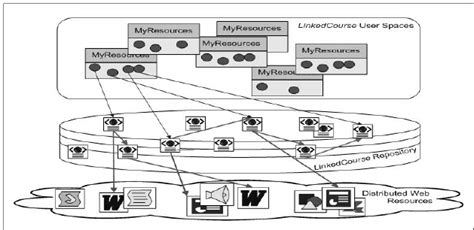
Infographics and Flowcharts
Complex processes, such as optimal skill tree progressions, branching questlines, or crafting trees, are perfectly suited for infographics and flowcharts. These visual aids simplify intricate relationships and provide an immediate, digestible understanding of sequences and dependencies.
Interactive Maps and Databases
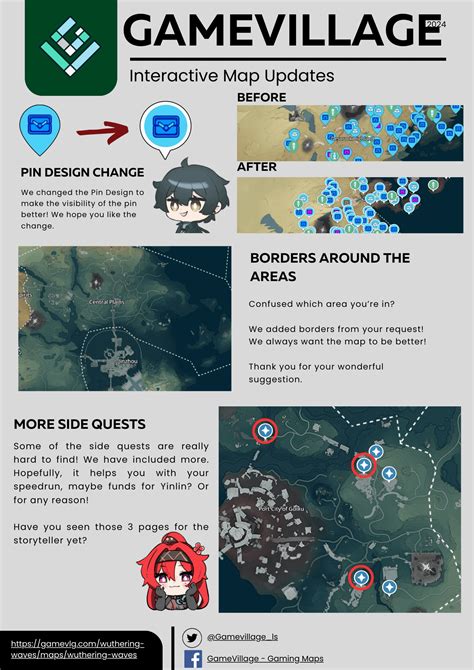
For open-world games or titles with many collectibles, an interactive map is invaluable. Players can filter by item type, location, quest marker, or enemy type, instantly pinpointing exactly what they need. Similarly, searchable databases for items, characters, or abilities allow for quick lookups without scrolling through extensive lists.
Strategic Content Structuring and Contextualization
Beyond how information is presented, how it’s organized within the guide itself plays a crucial role in its effectiveness.
Clear Headings and Navigation
Employing a hierarchical structure with clear, descriptive headings (H2, H3, H4) allows players to quickly scan and jump to relevant sections. A prominent table of contents, especially one with anchor links, further aids navigation.
“Why” Behind the “How”
While players often seek quick “how-to” answers, briefly explaining the “why” can transform a mere instruction into valuable insight. For example, instead of just saying “use fire magic," a guide might add “use fire magic because this enemy is vulnerable to elemental damage, specifically fire, making it twice as effective.” This contextualization provides crucial detail without significantly slowing down the information delivery.
Smart Use of Hyperlinks
Internal linking is a guide’s superpower. If a quick answer references a complex mechanic, skill, or item, a hyperlink to a dedicated, more detailed section allows players to delve deeper only if they choose, keeping the main flow streamlined.
Leveraging Technology and Community for Dynamic Guides
Modern web technology offers powerful tools to enhance guide usability, and community input can fill gaps that a single author might miss.
Search Functionality and Filters
A robust search bar is non-negotiable for large guides. Coupled with filters for categories, game versions, or specific attributes, it empowers users to bypass traditional navigation entirely and directly query the information they need.
Community Contributions and FAQs
Integrating a well-moderated comment section or a user-driven FAQ can address niche questions, clarify ambiguities, or provide alternative strategies that might not be covered in the main content. This allows the guide to evolve and adapt to the diverse needs of its audience.
Conclusion: The Art of the Effective Guide
Delivering quick answers without sacrificing crucial detail in gaming guides is an art form that blends thoughtful design, strategic content structuring, and smart technological implementation. By employing layered information, leveraging powerful visuals and interactive elements, contextualizing advice, and embracing dynamic community input, guide creators can craft resources that satisfy both the urgent need for immediate solutions and the deeper desire for comprehensive mastery. The ultimate goal is to empower players, allowing them to choose their own path through the information, whether they need a quick lifeline or a deep dive into game mechanics.