Beyond a demo, what makes an indie game stand out for Spotlight coverage?
The Crowded Market: Getting Noticed Beyond a Playable Build
In the vast and ever-expanding universe of independent game development, merely having a playable demo is no longer enough to guarantee attention. While a demo is an essential first step, the journey to securing coveted spotlight coverage – be it from major platforms, influential media, or dedicated indie showcases – requires a multi-faceted strategy that demonstrates not just potential, but true distinction. So, what exactly makes an indie game shine brightly enough to cut through the noise and earn that special recognition?
A Distinctive Vision and Unwavering Polish
At its core, a standout indie game possesses a clear, unique vision that permeates every aspect of its design. This isn’t just about a novel gameplay mechanic, but a cohesive artistic direction, a memorable aesthetic, and an undeniable level of polish. From smooth animations and intuitive UI to bug-free performance and captivating sound design, attention to detail speaks volumes. A game that feels meticulously crafted, even in its early stages, communicates passion and professionalism to anyone evaluating it.
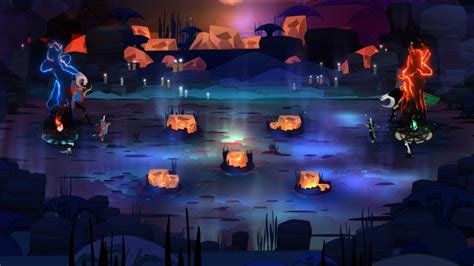
Curators and journalists are looking for experiences that feel complete and considered, even if they’re not feature-complete. A game that demonstrates a strong identity from the outset is far more appealing than one that feels generic or unfinished.
The Power of Storytelling and Emotional Resonance
Beyond mechanics and visuals, a compelling narrative or a strong emotional hook can be a game-changer. Whether it’s through environmental storytelling, character development, or a unique premise, games that evoke strong feelings or provoke thought tend to linger in the minds of players and critics alike. Does your game tell a story that hasn’t been told before, or tell a familiar story in a uniquely compelling way? Does it connect with players on a deeper level?
Building a Vibrant Community and Active Engagement
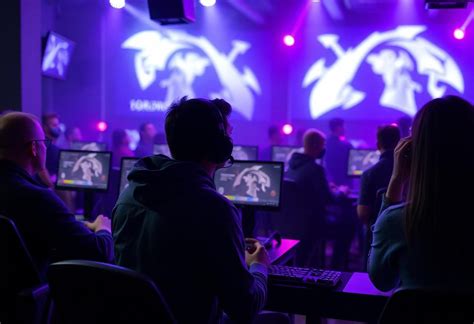
In today’s interconnected world, an active and passionate community is a powerful testament to a game’s appeal. Engaging with players on platforms like Discord, Twitter, or through regular devlogs not only provides invaluable feedback but also generates organic buzz. Demonstrating a willingness to listen, respond, and incorporate player suggestions shows a developer’s commitment and builds a loyal following. This pre-release hype and community interaction can be a strong indicator of future success.
Effective Communication and an Impeccable Press Kit
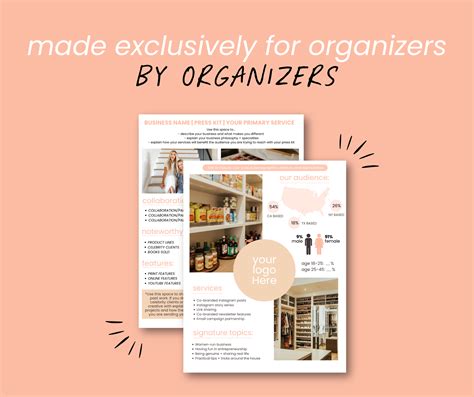
Even the most brilliant game can get overlooked without effective communication. A well-organized, comprehensive press kit is absolutely crucial. This should include high-resolution screenshots, a compelling trailer, clear game descriptions (long and short), developer bios, and contact information. The messaging around your game should be concise, exciting, and highlight its unique selling points. Make it easy for media outlets to understand your vision and share your story.
The ‘X’ Factor: Innovation and Uniqueness
Ultimately, what often truly differentiates a game for spotlight coverage is its ‘X’ factor – that elusive quality that makes it genuinely fresh, surprising, or groundbreaking. Is there a mechanic that twists conventions? A visual style that breaks new ground? A thematic exploration that resonates deeply? Curators are constantly searching for games that push boundaries, offer new experiences, or simply do something exceptionally well in a way that hasn’t been seen before.
Beyond the Launch: A Vision for the Future
For some showcases, demonstrating a clear roadmap for post-launch content, updates, or a commitment to ongoing support can also be a factor. It signals a long-term investment in the game’s success and a dedication to its players, suggesting that the game isn’t just a flash in the pan but a lasting experience.
Conclusion: A Holistic Approach to Standing Out
Securing spotlight coverage for an indie game is rarely the result of a single brilliant feature. It’s a holistic endeavor that combines a distinctive, polished product with strategic communication, active community engagement, and a clear vision. By focusing on these elements beyond just a functional demo, indie developers can significantly increase their chances of standing out in a crowded market and earning the recognition their hard work deserves.