How can gaming guides balance detail with easy, spoiler-free navigation for busy players?

Gaming guides are indispensable tools for players looking to conquer challenges, find hidden secrets, or simply progress efficiently through a complex game world. However, the modern gamer often juggles limited playtime with a desire for deep engagement, creating a unique challenge for guide creators: how to deliver comprehensive detail without overwhelming the user, spoiling the experience, or making navigation a chore.
The Modern Gamer’s Predicament
Today’s gaming landscape features sprawling open worlds, intricate RPG systems, and narratives rich with twists. Players, often with demanding schedules, want quick answers to specific problems—a boss strategy, a puzzle solution, or the location of a collectible. They don’t have time to wade through verbose prose or accidentally stumble upon critical story spoilers. The ideal guide must therefore act as both a precise manual and a protective filter, providing just enough information exactly when it’s needed, and nothing more.
![BusyGamer.com [The Official Busy Gamer Website] » BG Crew](/images/aHR0cHM6Ly90czEubW0uYmluZy5uZXQvdGg/aWQ9T0lQLnRZV3JMUktOLUNkbC1FQS1IbC1VOUFBQUFBJnBpZD0xNS4x.webp)
Strategic Content Structuring
The foundation of a balanced guide lies in its architecture. A well-structured guide prioritizes accessibility while preserving depth for those who seek it. This involves a multi-tiered approach to information delivery.
Layered Information Delivery
Adopt a “summary first, detail later” philosophy. Start with concise, actionable bullet points or short paragraphs that provide immediate solutions. For players who need more context or a deeper dive, offer expandable sections, toggles, or dedicated sub-pages. This allows a player to quickly grab a specific item location without reading the entire quest walkthrough, but also gives them the option to understand the broader narrative implications if they choose.
- Quick-reference sections: Ideal for immediate answers like boss weak points or puzzle solutions.
- Collapsible content: Use HTML
<details>and<summary>tags or JavaScript-driven accordions for optional deep dives. - Progressive disclosure: Reveal more information as the player interacts, preventing information overload.

Intuitive Navigation and Indexing
A guide’s usability hinges on its navigation. Robust indexing, a clear table of contents, and a powerful search function are paramount. Chapter markers, section headings, and sub-headings should be descriptive and consistent, allowing players to scan and jump directly to relevant content. Hyperlinking within the guide to related sections (e.g., linking a quest step to an item location guide) enhances the experience without duplicating content.
- Sticky table of contents: Keeps navigation accessible as players scroll.
- Search bar with filters: Enables quick finding of specific keywords or items.
- Breadcrumb navigation: Helps users understand their current location within the guide hierarchy.
Mastering Spoiler Management
Protecting the player experience from unwanted revelations is critical, especially for story-driven games. Guide creators must be proactive in identifying and hiding sensitive information.
Clear Warnings and Hiding Mechanisms
Any content that could be considered a spoiler (major plot points, character deaths, critical puzzle solutions that reveal story elements) must be clearly marked and hidden by default. This can be achieved through dedicated spoiler tags, blurred text, or content blocks that require a click to reveal. It’s also beneficial to offer a global “hide all spoilers” option at the start of the guide, catering to players who wish to explore entirely spoiler-free.
- Spoiler tags: Explicitly label sections containing spoilers.
- Click-to-reveal elements: Use JavaScript to hide text until clicked.
- Separate spoiler-heavy sections: Consider dedicating entirely separate pages or appendices for detailed story breakdowns or alternate endings.

Leveraging Visuals and Interactivity
Beyond text, visuals and interactive elements significantly enhance a guide’s utility without necessarily adding bloat or spoilers.
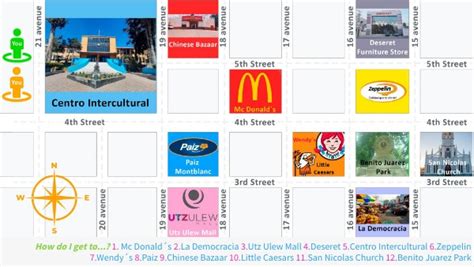
Maps are perhaps the most powerful visual aid. Interactive maps, allowing players to filter by collectibles, quest markers, or enemy spawns, are invaluable. Similarly, short, concise video clips for complex puzzle solutions or boss patterns can often convey information more efficiently than pages of text. Screenshots should be carefully curated to avoid accidental spoilers, focusing on environmental details or specific item locations rather than narrative beats.
Interactive Elements for Dynamic Guides
The future of gaming guides leans heavily into interactivity. Features like progress trackers, which allow players to mark off completed quests or found collectibles, enhance engagement. Build planners for RPGs, or difficulty toggles that adjust guide recommendations, further personalize the experience. These dynamic tools empower busy players to manage their journey efficiently and return precisely where they left off.
- Checklist features: For tracking collectibles, side quests, or achievements.
- Customizable filters: On maps or item lists.
- Game progression trackers: Syncing with player data (where APIs allow) or manual input.
Conclusion: The Art of the Balanced Guide
Crafting a gaming guide that effectively serves the busy, spoiler-conscious player is an art form. It requires a deep understanding of user experience principles, meticulous content organization, and a commitment to player-first design. By embracing layered information, intuitive navigation, robust spoiler management, and thoughtful visual and interactive elements, guide creators can build resources that are not only comprehensive but also a joy to use, enhancing the gaming journey without detracting from the discovery.