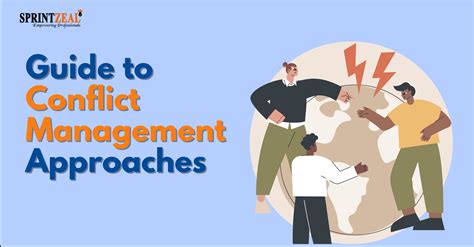
What are proven strategies for community mods to combat toxicity and boost engagement?
Community moderators are the unsung heroes of online spaces, responsible for cultivating environments where users feel safe, respected, and eager to participate. The challenge, however, is multifaceted: simultaneously battling the rise of toxicity while finding innovative ways to ignite and sustain genuine engagement. This delicate balancing act requires a strategic toolkit and a commitment to both firm governance and vibrant community building.
Combating Toxicity: Building a Safer Space
The foundation of a healthy community lies in its ability to effectively manage and mitigate negative behaviors. Without clear boundaries and consistent enforcement, toxicity can quickly spread, driving away valuable members and stifling meaningful interaction.
Establish Clear & Accessible Guidelines
The first line of defense against toxicity is a comprehensive, easy-to-understand set of community guidelines or a code of conduct. These rules should explicitly define acceptable and unacceptable behaviors, providing examples where necessary. They must be readily available to all users, ideally linked prominently within the community platform.

Consistent and Transparent Enforcement
Rules are only as effective as their enforcement. Moderators must apply guidelines consistently across all users, regardless of their status or history. Transparency in moderation actions, where appropriate, can build trust, demonstrating that actions are taken fairly and without bias. A clear escalation path for violations, from warnings to temporary bans and permanent exclusions, ensures fairness and predictability.
Proactive Monitoring and Intervention
Reactive moderation, while necessary, is often insufficient. Proactive monitoring helps identify potential conflicts or problematic content before they escalate. Utilizing moderation tools that flag keywords, report suspicious activity, or highlight highly reported posts can significantly aid this process. Intervening early with a gentle reminder or a direct message can often de-escalate situations before they become full-blown toxic exchanges.
Training moderators in de-escalation techniques is also crucial. Understanding how to calmly address heated discussions, redirect conversations, and provide constructive feedback can turn a potential conflict into a learning opportunity for the community.
Boosting Engagement: Cultivating a Vibrant Community
While curbing toxicity is essential, a community truly thrives when its members feel inspired to contribute, connect, and collaborate. Engagement strategies focus on fostering a positive atmosphere and providing avenues for participation that make users feel valued.
Foster a Welcoming and Inclusive Environment
A strong sense of belonging is a powerful driver of engagement. Moderators can actively promote inclusivity by celebrating diversity, encouraging positive interactions, and ensuring new members feel welcomed. Simple actions like greeting new users or creating dedicated “introduce yourself” threads can make a significant difference. Regular positive reinforcement for constructive contributions also encourages more users to participate.

Organize Interactive Events and Activities
Scheduled events and activities provide focal points for community interaction and give members a reason to log in. This could include Q&A sessions with experts, themed discussion days, creative challenges, gaming tournaments, or virtual meet-ups. These events not only boost activity but also provide opportunities for members to connect on a deeper level and showcase their talents.
Recognize and Reward Contributors
Acknowledging and celebrating members who contribute positively can significantly boost engagement. This might involve spotlighting active users, creating “member of the month” programs, offering unique roles or badges, or even providing small incentives for participation in certain activities. Public recognition reinforces desired behaviors and encourages others to follow suit.
Seek and Act on Community Feedback
Engaged communities feel heard. Regularly solicit feedback from members on everything from new features to community guidelines and event ideas. Create dedicated channels for suggestions and grievances, and transparently communicate how feedback is being used. This not only empowers members but also helps moderators identify areas for improvement and adapt strategies based on the community’s evolving needs.
The Moderator’s Toolkit: A Continuous Journey
Effective community moderation is not a one-time setup but an ongoing process of adaptation, learning, and refinement. Moderators are often the first point of contact for users, acting as diplomats, enforcers, and cheerleaders. Investing in training, providing robust moderation tools, and fostering a supportive environment for mods themselves are crucial for their long-term success.
By implementing clear strategies to combat toxicity and creatively boosting engagement, community managers and moderators can transform online spaces into thriving hubs of positive interaction and shared purpose. It’s about building a culture where respect and participation go hand-in-hand, ensuring the community remains a valuable and enjoyable place for all.