Best Indie Spotlight format to maximize game discoverability and player engagement?
The Quest for Visibility: Crafting the Perfect Indie Spotlight
In the crowded digital marketplace, independent game developers face an uphill battle for visibility. An ‘Indie Spotlight’ is more than just a promotional piece; it’s a critical tool for cutting through the noise, capturing attention, and forging a connection with potential players. But with so many options, what is the best format to maximize both game discoverability and player engagement?
The answer isn’t a single format, but rather a strategic approach to various types of content, each tailored to different stages of the player journey and different communication goals. Understanding the strengths of each format and how they contribute to your overarching marketing strategy is key.

Understanding Your Core Objectives: Discoverability vs. Engagement
Before diving into specific formats, it’s crucial to differentiate between discoverability and engagement, as they often require distinct tactics:
- Discoverability: Refers to how easily potential players can find your game. This is driven by search engine optimization (SEO), platform features, social media reach, and shareability. Formats that are easily indexed, shared, or promoted by algorithms excel here.
- Engagement: Relates to how deeply players interact with your game’s content and community. This involves sustained interest, emotional connection, and a willingness to participate. Formats that offer depth, interactivity, and authenticity are better for engagement.
Key Formats and Their Impact
1. Video Spotlights: Trailers, Developer Diaries, Gameplay Deep Dives
Video is arguably the most powerful medium for game promotion. Its visual and auditory nature can convey atmosphere, mechanics, and story in a way text cannot. However, not all video content serves the same purpose.
- Discoverability: Short, punchy announcement or gameplay trailers are highly shareable on social media and can go viral. They perform well on platforms like YouTube and TikTok, where visual content is king. Optimized tags and descriptions are vital.
- Engagement: Longer developer diaries, behind-the-scenes videos, or in-depth gameplay commentaries foster deeper connection. They offer insights into the development process, the team’s passion, and nuanced mechanics, building anticipation and loyalty.
2. Written Spotlights: Articles, Interviews, Blog Posts
While less flashy than video, written content remains fundamental for discoverability and can drive significant engagement when done well.
- Discoverability: Articles and blog posts are highly effective for SEO. They can rank for specific keywords, attracting players actively searching for games within a certain genre, theme, or mechanic. Guest posts on popular gaming sites expand reach.
- Engagement: In-depth interviews with developers provide a personal touch, revealing the passion and challenges behind the game. Detailed articles can explain complex lore, design philosophies, or post-launch roadmaps, appealing to players who crave substance.
3. Live Streams & AMAs (Ask Me Anything)
Live interactive sessions are unparalleled for direct player engagement and building a vibrant community.
- Discoverability: Live streams on platforms like Twitch, YouTube Gaming, or Steam can attract viewers through platform algorithms and existing communities. Cross-promotion of upcoming streams is crucial.
- Engagement: Real-time interaction with developers, live gameplay demonstrations, and Q&A sessions create a personal, authentic connection. Players feel heard and valued, fostering a sense of community ownership and investment. Giveaways and interactive polls boost participation.
4. Interactive Demos & Playtests
Allowing players to experience the game firsthand is arguably the most potent form of engagement, which in turn fuels discoverability through word-of-mouth.
- Discoverability: A well-received demo can generate significant buzz, leading to coverage by content creators and gaming press. Event-based demos (e.g., Steam Next Fest) offer massive discoverability boosts.
- Engagement: Nothing engages a player like direct interaction. A polished demo lets them feel the game, test mechanics, and form their own opinions. Playtests provide invaluable feedback and make players feel like part of the development journey.
The Optimal Approach: A Multi-Format Strategy
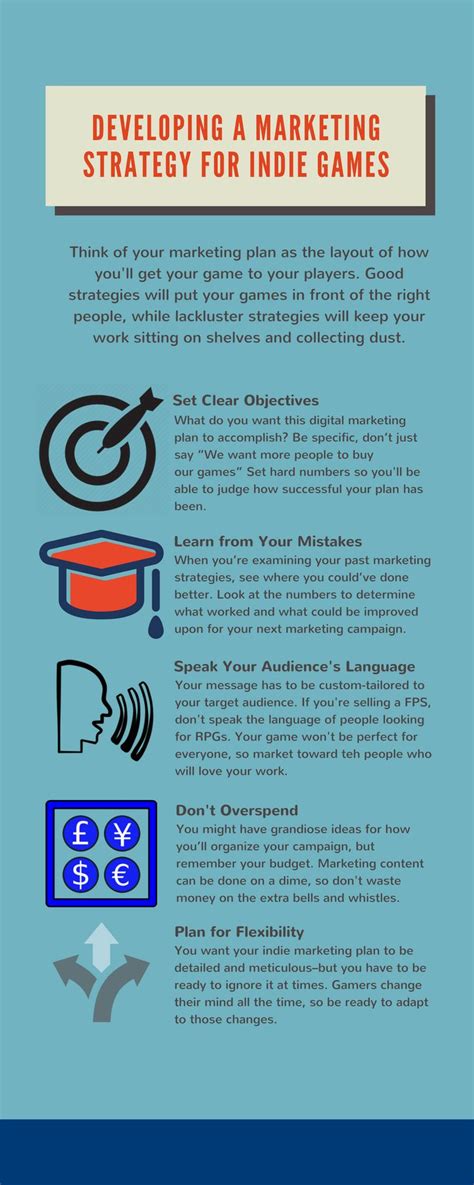
The ‘best’ indie spotlight format isn’t a singular choice, but a dynamic, multi-faceted strategy that leverages different formats for different goals:
- Start Broad with Discoverability: Use short, attention-grabbing trailers and SEO-optimized written content to capture initial interest.
- Deepen with Engagement: Transition to developer diaries, interviews, and live streams to build a loyal following and provide deeper context.
- Solidify with Experience: Offer demos or playtests to convert interest into genuine enthusiasm and foster word-of-mouth.
- Maintain Momentum: Consistently update with new content, engage with your community, and iterate based on feedback.
Remember to always include clear calls to action (wishlist, follow, subscribe) in every spotlight, regardless of format. The synergy between these formats, combined with a genuine passion for your game, is what truly maximizes both discoverability and player engagement, paving the way for your indie title to shine.