How to update gaming guides efficiently for new patches and content?

In the ever-evolving landscape of video games, a guide’s shelf life can be fleeting. New patches introduce buffs, nerfs, reworks, and entirely new content, rendering older strategies obsolete. For guide creators, staying current isn’t just a best practice; it’s essential for maintaining authority, user trust, and traffic. This article explores key strategies to streamline the update process, ensuring your guides remain relevant and valuable to players.
Proactive Information Gathering and Monitoring
The first step to efficient guide updating is anticipating changes. This means actively monitoring official game developer channels: patch notes, dev blogs, social media accounts, and public test realms (PTRs). Set up alerts, subscribe to newsletters, and join official Discord servers to get real-time notifications about upcoming changes.
Don’t wait for a patch to drop to start understanding its implications. Early access to information allows for preliminary analysis and preparation, letting you outline potential changes to your guides even before they go live.

Modular Guide Design for Easy Updates
One of the most effective ways to simplify updates is to build your guides with modularity in mind. Instead of a monolithic block of text, break your content into smaller, independent sections. For example, separate character builds, item descriptions, quest steps, and ability details into distinct, easily editable modules.
This approach allows you to update specific pieces of information without having to overhaul the entire guide. If a single item’s stats change, you only need to edit that one module, significantly reducing the time and effort involved, and minimizing the risk of introducing errors elsewhere.
Prioritizing Changes and Impact Assessment
Not every patch note warrants an immediate, full-scale guide revision. Develop a system for prioritizing changes based on their impact. Major meta shifts, game-breaking bug fixes, or the introduction of entirely new mechanics demand immediate attention. Minor balance tweaks or cosmetic additions might be batched for a less urgent update cycle.
Before diving into edits, assess how a change truly affects your guide. Does it invalidate a core strategy? Does it make an item useless or overpowered? Understanding the depth of the impact helps you allocate your time efficiently and focus on what matters most to your readers.
Implementing Version Control and Change Logs
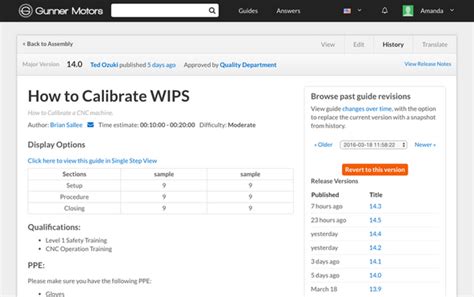
For complex guides, especially those collaborative projects, implementing a form of version control is invaluable. Whether it’s using a Git repository for text files, leveraging the revision history in a CMS, or simply keeping a detailed log, tracking changes helps manage the update process.
Publicly displaying a ‘Last Updated’ date and a brief changelog within your guide builds trust with your audience. It shows that your content is actively maintained and helps readers quickly identify what’s new or changed, proving your commitment to accuracy.

Leveraging Community Feedback and Collaboration
Your readers are often on the front lines of new content and patches. Encourage feedback through comments, forums, or dedicated channels. The community can be an excellent early warning system for undocumented changes, overlooked interactions, or emerging meta strategies.
Actively engaging with your community not only provides valuable insights but also fosters a loyal readership. Consider incorporating a mechanism for readers to submit suggested changes or corrections, which can sometimes flag issues even before official patch notes are fully absorbed.

Tools and Automation for Streamlined Workflows
For content creators managing numerous guides, specific tools can drastically improve efficiency. Content Management Systems (CMS) with strong editing and revision capabilities are a must. Explore options for templating common sections of your guides, allowing for rapid deployment of new content or consistent updates.
In some cases, especially for games with accessible data APIs, it might even be possible to automate certain data-heavy updates. While this is more advanced, reducing manual data entry for stats, item lists, or ability descriptions can free up significant time for strategic analysis and writing.
Conclusion: Staying Relevant in a Dynamic World
Efficiently updating gaming guides for new patches and content is a continuous process that requires a blend of proactivity, strategic planning, and adaptive execution. By staying informed, designing modular content, prioritizing changes, maintaining clear version control, and leveraging community insights, guide creators can ensure their work remains a reliable and invaluable resource for players navigating the ever-changing landscapes of their favorite games.