Optimizing gaming guides for quick answers without sacrificing depth?
The Modern Gamer’s Dilemma: Speed vs. Detail
Gaming guides have evolved significantly from simple text files to complex, multimedia-rich resources. However, the core challenge remains: how do you provide lightning-fast answers to urgent in-game questions while still offering the exhaustive detail that a completionist or lore enthusiast craves? The modern gamer often needs to know “What do I do *right now*?” but also appreciates “Why does this work?” and “What are all the implications?”.
Striking this delicate balance is the holy grail of guide creation. Players might be stuck on a boss, searching for a specific item location, or trying to understand complex game mechanics. Meeting these diverse needs efficiently is key to a guide’s success and longevity.
Strategies for Instant Gratification: Delivering Quick Answers
For those urgent moments, guides must be instantly digestible. Several techniques can achieve this:
- Clear, Actionable Headings: Use descriptive headings like “How to Beat [Boss Name]” or “Where to Find [Item Name]” that allow users to scan and jump directly to their query.
- “TL;DR” Summaries: A brief “Too Long; Didn’t Read” section at the top of complex explanations can provide the essential takeaway, followed by the detailed breakdown.
- Bullet Points and Lists: Break down complex steps or multiple options into easy-to-read lists.
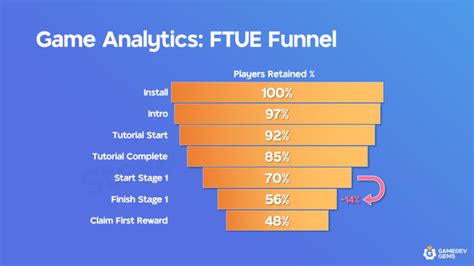
- Tables and Infographics: Ideal for displaying stats, loot tables, skill trees, or comparison data in a visually efficient manner.
- In-Page Navigation/Jump Links: For very long guides, a table of contents with jump links helps users navigate instantly.
Maintaining Depth: Satisfying the Curious and the Completionist
While quick answers are vital, discarding depth alienates a significant portion of the gaming audience. True optimization means providing pathways to deeper understanding:
- Layered Information: Start with the basic answer, then offer expanded details, explanations of mechanics, lore connections, or advanced strategies in subsequent paragraphs or collapsible sections.
- Contextual Explanations: Don’t just tell players *what* to do, explain *why* it works or *how* it fits into the game’s broader systems.
- Internal Linking: Link to related guides on specific mechanics, character builds, or lore articles to allow users to dive deeper if they choose.
- Community Contributions and FAQs: Incorporate common questions and nuanced solutions often discussed by the community, enriching the guide’s utility.
This approach transforms a simple guide into a comprehensive resource, catering to both the casual player and the dedicated enthusiast.
Structural and Technological Approaches to Blended Guides
The way information is structured digitally plays a massive role in achieving this balance. Consider these structural and technological solutions:
- Modular Design: Break guides into self-contained modules or sections that can be accessed independently. This allows for focused quick answers while contributing to a larger, deep resource.
- Dynamic Content: Employ interactive elements like searchable databases, filterable tables, or build calculators that allow users to get personalized quick answers from a vast pool of data.
- Collapsible Sections/Accordions: Present a concise summary initially, with an option to “Show More” for detailed explanations, keeping the primary view clutter-free.
- Video Integration: Embed short video clips for visual demonstrations of complex mechanics or boss fights, offering an alternative quick answer format, with text providing deeper analysis.
The Future of Optimized Gaming Guides
Optimizing gaming guides isn’t about choosing between quick answers and depth; it’s about intelligently integrating both. By prioritizing scannability and immediate utility while maintaining robust, accessible layers of detail, guide creators can build resources that serve a wider audience and remain relevant throughout a game’s lifecycle. The ultimate goal is a guide that respects the player’s time while empowering them with complete knowledge, whenever and however they need it.