Which gaming monitor is best: High refresh rate or high resolution for competitive play?

The Core Dilemma for Esports Enthusiasts
For competitive gamers, every piece of hardware can make a difference, and the monitor stands as one of the most critical. The perennial debate revolves around a monitor’s refresh rate versus its resolution. Should you prioritize buttery-smooth visuals and lightning-fast reactions, or crystal-clear detail that makes every pixel pop? Understanding the trade-offs is key to equipping yourself for victory in the demanding world of esports.
The Case for High Refresh Rate (Hz)
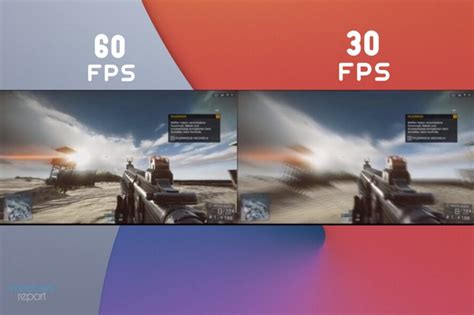
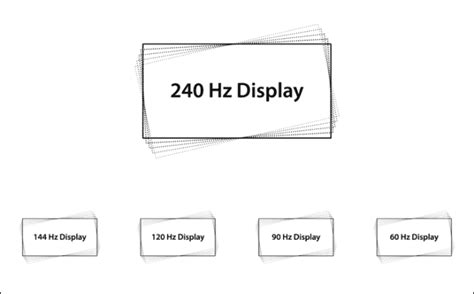
A monitor’s refresh rate, measured in Hertz (Hz), indicates how many times per second the display updates its image. A 144Hz monitor, for instance, updates 144 times per second, compared to a standard 60Hz. The primary benefit of a higher refresh rate is a significantly smoother visual experience. This translates directly into competitive advantages:
- Reduced Input Lag: More frames mean the time between your input and the on-screen action is minimized.
- Smoother Motion: Tracking fast-moving targets becomes easier and more precise, reducing motion blur and ghosting.
- Quicker Reactions: You see new information sooner, allowing for faster response times in critical moments.
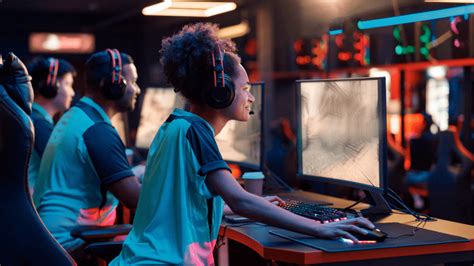
For fast-paced genres like first-person shooters (FPS) such as CS:GO, Valorant, or Overwatch, a high refresh rate (144Hz, 240Hz, or even 360Hz) is often considered paramount. The ability to react fractions of a second faster can be the difference between a kill and being killed.
The Allure of High Resolution (Pixels)
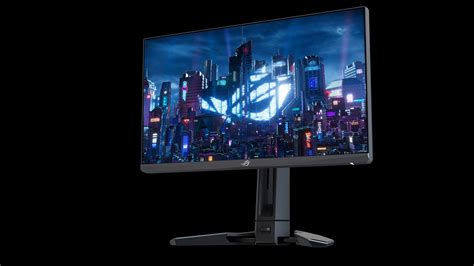
Resolution refers to the number of pixels displayed on your screen, typically expressed as width x height (e.g., 1920×1080 for Full HD, 2560×1440 for QHD, or 3840×2160 for 4K UHD). Higher resolutions offer more detailed and sharper images, making graphics appear more realistic and immersive.
The competitive advantages of higher resolution are less direct than refresh rate but still valuable:
- Enhanced Visual Clarity: Objects and text appear sharper, which can sometimes help in spotting distant enemies or details in the environment that might be blurry at lower resolutions.
- Increased Screen Real Estate: More pixels mean you can fit more information on the screen, useful for strategy games with complex UIs or for general productivity.
- Immersive Experience: While not always directly tied to competitive advantage, a visually stunning game can enhance enjoyment and focus.
Games where positional awareness and macro-level strategy are key, like real-time strategy (RTS) games or certain MOBAs, might benefit from the clearer overview a higher resolution provides. However, it’s crucial to remember that higher resolutions demand significantly more power from your graphics card.
Which Dominates for Competitive Play?
When it comes down to raw competitive advantage, particularly in twitch-response games that dominate the esports scene, high refresh rate generally trumps high resolution. The ability to see and react faster consistently outweighs the benefits of slightly sharper visuals. In a game like Apex Legends, spotting an enemy 5 pixels earlier at 4K won’t help if your 60Hz monitor means their 240Hz opponent sees and shoots you first.
However, this isn’t a universal truth. For competitive strategy games, the visual clarity of higher resolution might offer a better overview of the battlefield, allowing for more informed tactical decisions. But for the vast majority of mainstream esports titles, where speed and precision are king, refresh rate is king.
Finding the Sweet Spot: Factors to Consider
The “best” monitor ultimately depends on several factors:
- Your Primary Game Genre: FPS = High Refresh Rate. Strategy/Simulation = Resolution might be more appealing.
- Your PC Hardware: A powerful graphics card is essential to push high frame rates at high resolutions. A budget GPU won’t get you 144+ FPS at 4K in modern titles.
- Your Budget: Monitors offering both high resolution (e.g., 1440p) and high refresh rate (e.g., 144Hz) exist and are often the ideal compromise, but they come at a premium.
- Personal Preference: Some gamers simply prefer the visual fidelity, even if it means a slight competitive trade-off.
Many competitive gamers find the 1440p (QHD) resolution paired with a 144Hz or 240Hz refresh rate to be the optimal balance. It offers a significant upgrade in visual clarity over 1080p without the extreme GPU demands of 4K, while still providing the essential high refresh rate for smooth, responsive gameplay.

Conclusion
For the cutthroat world of competitive gaming where every millisecond counts, a high refresh rate monitor is generally the superior choice. It directly enhances your reaction time, tracking ability, and overall fluidity of gameplay, which are critical in fast-paced esports titles. While high resolution offers a visually richer experience, its direct competitive benefits are often secondary to the responsiveness provided by a high refresh rate. Aim for the highest refresh rate your budget and GPU can comfortably support, and if possible, combine it with a respectable resolution like 1440p for the best of both worlds.