How do mod teams resolve disputes over user-created game mods?
Navigating the Collaborative Minefield of Mod Development
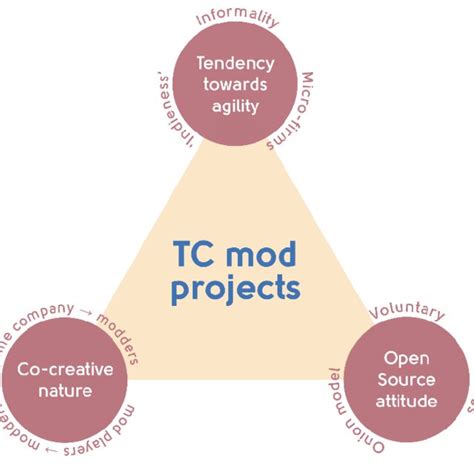
User-created game mods are a cornerstone of many gaming communities, extending the life and creativity of beloved titles. Behind these intricate additions are often dedicated mod teams, groups of individuals pooling their diverse skills—from coding and 3D modeling to writing and texture work—to bring shared visions to life. While collaboration is key, the very nature of creative projects and volunteer work can lead to friction. Disagreements within these teams are not uncommon, stemming from differing artistic directions, technical approaches, or even personal dynamics. Effectively resolving these disputes is crucial for a mod’s success and the team’s longevity, ensuring that creative energy isn’t derailed by internal conflict.
Common Sources of Disagreement
Disputes in mod teams can arise from a multitude of factors, often exacerbated by the informal, volunteer-driven nature of modding. Creative differences are perhaps the most frequent culprit; one developer might envision a feature implemented in a certain way, while another has a completely different idea for its mechanics or aesthetics. Technical approaches also spark debate, with arguments over code efficiency, asset optimization, or preferred development tools. Beyond the creative and technical, workload distribution and credit attribution can become contentious issues. Unbalanced contributions or perceived slights regarding recognition can quickly sour team morale. Scope creep, where a project continuously expands beyond its initial vision, can also lead to burnout and disagreement over priorities, pulling the team in too many directions at once.
Proactive Strategies to Mitigate Conflict
The most effective way to resolve disputes is often to prevent them from escalating in the first place. Successful mod teams typically implement proactive strategies to establish a solid foundation for collaboration. This includes defining clear roles and responsibilities from the outset, ensuring every member understands their specific contributions and the boundaries of their authority. A well-articulated project vision and scope document can serve as a guiding star, helping to align expectations and provide a reference point when creative ideas diverge. Regular, transparent communication channels, such as weekly meetings or dedicated chat platforms, are essential for discussing progress, addressing minor concerns before they grow, and ensuring everyone feels heard. Moreover, establishing a code of conduct or a set of team values can promote respectful interaction and provide a framework for professional behavior.
Structured Approaches to Dispute Resolution
Open Dialogue and Mediation
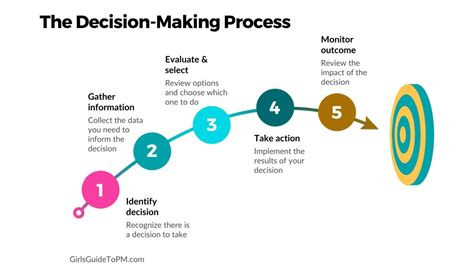
When disagreements do arise, the first and most vital step is encouraging open and respectful dialogue. Team members should be encouraged to voice their concerns directly to those involved, focusing on the issue at hand rather than personal attacks. If direct communication proves difficult or unproductive, an impartial third party—often a designated project lead or a trusted senior member not directly involved in the dispute—can step in as a mediator. The mediator’s role is to facilitate conversation, ensure both sides are heard, and guide the discussion towards common ground or a mutually acceptable compromise. This often involves active listening, paraphrasing, and identifying underlying needs rather than just surface-level demands.
Consensus Building and Voting
For decisions that impact the entire project, consensus building is often employed. This process involves thorough discussion until all team members can agree on a course of action, even if it’s not their first preference. If true consensus isn’t achievable on a specific point, particularly technical or design choices, a formal voting system might be introduced. This democratic approach ensures that decisions are made fairly, with the majority’s will prevailing. However, it’s crucial to establish beforehand which types of decisions are subject to a vote and whether a simple majority or a supermajority is required.

Leadership Intervention and Final Decisions
In cases where disputes remain unresolved through discussion, mediation, or voting, particularly on critical path items, the project lead or core decision-makers may need to intervene. The lead’s role is to weigh the arguments, consider the project’s overall goals and technical feasibility, and make a final, binding decision. While this might not satisfy all parties, it ensures that the project can move forward without being stalled indefinitely by internal conflict. It is paramount that this authority is used judiciously and transparently, with clear explanations for the decision to maintain team trust.
When All Else Fails: Project Forks and Departures
Occasionally, disagreements are too fundamental to resolve, particularly when they involve core creative vision or ethical considerations. In such extreme cases, a team member or a subset of the team might choose to depart from the project. Another outcome is a “fork,” where a dissenting group takes a copy of the mod’s codebase and continues development independently, creating a distinct, parallel version. While often seen as a last resort, this allows creative differences to play out without hindering the original project and can sometimes lead to innovative new mods.
Maintaining Community Trust
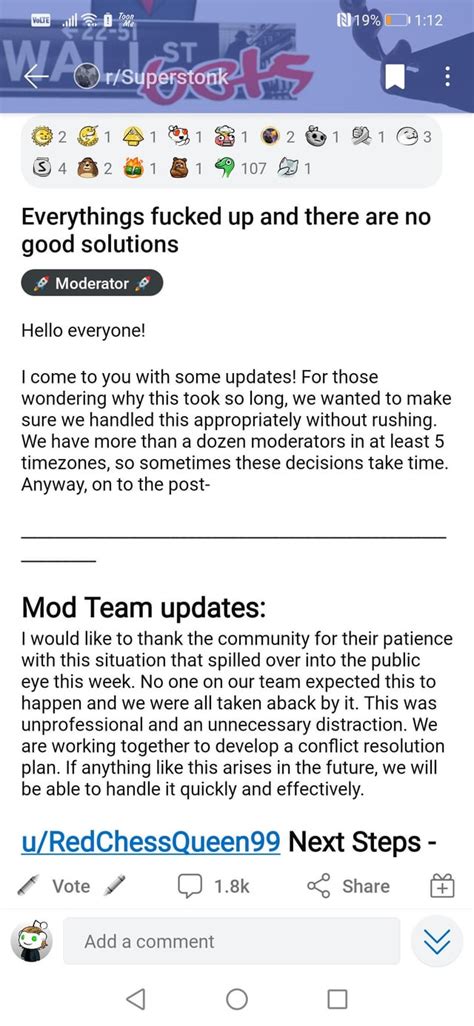
Internal mod team disputes rarely remain entirely hidden from the wider gaming community, especially if they lead to delays, changes in team composition, or a project fork. How a mod team handles these conflicts internally and communicates about them externally can significantly impact public perception and community trust. Professional, respectful resolution, even when difficult, reinforces the team’s dedication to their project and their users. Transparency, without airing all internal dirty laundry, can go a long way in managing expectations and maintaining the goodwill of the player base.
Conclusion
Resolving disputes within mod teams is an inherent challenge of collaborative, often volunteer-driven development. By establishing clear guidelines, fostering open communication, utilizing mediation, and having defined decision-making processes, mod teams can navigate these conflicts effectively. The ultimate goal is to channel creative differences into constructive outcomes, ensuring that the passion for modding continues to enrich the gaming experience for everyone involved.